

Blog
Best Wall Finishes for Cafes That Feel Considered

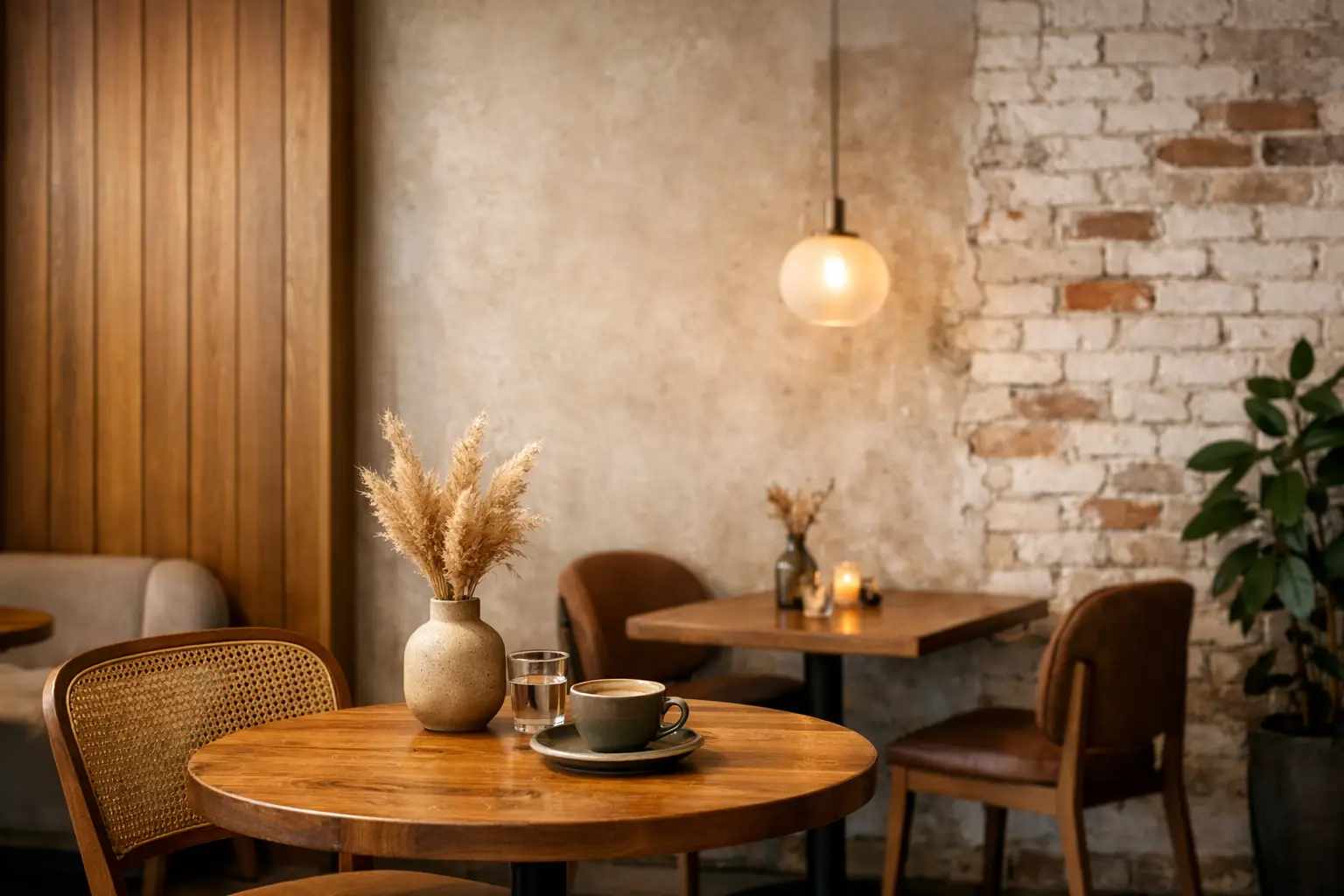
The best wall finishes for cafes do more than create a beautiful backdrop for coffee, pastries, and conversation. They shape how guests experience the room. A wall surface can soften the noise of a busy morning rush, make a compact counter feel more generous, or give a neighborhood cafe the distinctive character that brings people back.
For owners, architects, and hospitality designers, the decision is rarely only aesthetic. Cafe walls must stand up to traffic, chair scuffs, steam, occasional spills, frequent cleaning, and changing daylight. The right choice balances atmosphere with longevity, allowing the interior to feel refined on opening day and still look considered after thousands of orders.
Start With the Cafe Experience You Want to Create
Before selecting a finish, consider how the cafe should feel at its busiest. A quiet specialty coffee bar, a family-friendly brunch venue, and a fast-paced grab-and-go location have very different requirements. The first may benefit from warmth and sound control; the second needs forgiving surfaces and easy cleaning; the third often calls for a strong visual identity that reads quickly from the entrance.
Think about each wall by zone rather than applying one material everywhere. The counter backdrop is often the focal point. Seating areas need comfort and visual depth. Circulation routes need resilience. Walls near a service sink, condiment station, or open kitchen need materials that can handle moisture and regular wipe-downs.
This layered approach creates a more intentional interior. It also allows you to invest in a premium feature finish where it has the greatest impact while using simpler, practical finishes in hard-working areas.
Acoustic Slat Wood Panels for Warmth and Better Sound
Acoustic slat wood panels are among the best wall finishes for cafes where atmosphere and conversation matter equally. Their linear timber-inspired appearance adds natural texture without the heavy, traditional feel of solid timber cladding. Used behind banquette seating, along a feature wall, or across a ceiling return, they introduce a composed architectural rhythm that works beautifully with stone counters, metal lighting, and soft upholstery.
Their functional advantage is just as valuable. Cafes are naturally noisy spaces, with grinders, espresso machines, music, moving chairs, and overlapping conversations. Acoustic backing helps absorb sound reflections, reducing the sharp, echoing quality that can make a room feel tiring. Guests can speak more comfortably, and staff can communicate more clearly during service.
The finish works especially well in contemporary, Scandinavian-inspired, biophilic, and premium urban interiors. Choose a warm oak-inspired tone for a welcoming all-day cafe, a deeper walnut look for a more intimate wine-and-coffee concept, or a pale finish to brighten a smaller space.
Placement matters. Panels are most effective when installed across a meaningful surface area rather than as a narrow decorative strip. They should also be kept away from direct grease exposure and areas that receive constant splashing unless protected by an appropriate adjacent splashback. A quality panel system with coordinated trims, end slats, and corner details gives the installation the crisp finish expected in a design-led hospitality environment.
Tile Where Cleanability Is Non-Negotiable
Tile remains a trusted cafe material for good reason. It is durable, moisture-resistant, and easy to wipe down, making it a natural choice behind counters, at beverage stations, near wash areas, and on lower wall sections exposed to everyday wear.
The design possibilities are far broader than basic white subway tile. Handmade-look ceramics bring gentle variation and character. Large-format porcelain creates a quieter, more tailored look with fewer grout lines. Glossy tile catches light in a compact cafe, while matte finishes feel softer and more contemporary.
Grout is the practical consideration many projects underestimate. Pale grout can look fresh at first but may demand more attention in a high-traffic setting. A mid-tone or coordinating grout is often the wiser choice, especially near food preparation and customer queues. Specify a finish that meets the cleaning and hygiene demands of the location, and avoid highly textured tile where grease or dirt could settle into the surface.
Tile can feel cold when used wall to wall. Pair it with acoustic panels, painted plaster, timber-look details, or upholstered seating to retain warmth. The contrast between a clean tiled service zone and a softer, wood-accented seating area often makes a cafe feel both practical and inviting.
Limewash, Plaster, and Microcement for Soft Character
For cafes with a more artisanal or gallery-like identity, limewash, plaster, and microcement offer depth that flat paint cannot replicate. These finishes create subtle tonal movement, allowing walls to feel calm, tactile, and quietly luxurious. They are particularly effective in spaces that rely on natural light, sculptural furniture, and a restrained material palette.
Limewash has a chalky, breathable appearance with gentle variation from one area to another. It suits relaxed, nature-led interiors but is not always ideal where customers, bags, and chairs regularly brush against the wall. In busy zones, consider using it higher up the wall or protecting the lower portion with timber, tile, or a durable painted dado.
Polished plaster and microcement deliver a more contemporary interpretation of this look. Their mineral character pairs well with black metal, brass, stone, and warm wood tones. Yet these are specialist finishes, and their performance depends heavily on correct preparation, sealing, and installation. A poorly specified or poorly applied surface may stain, crack, or show wear sooner than expected.
Use these finishes when their handcrafted quality supports the concept, not simply because they are fashionable. A carefully finished plaster wall can make a small cafe feel elevated. It still needs a practical plan around doors, corners, service areas, and high-contact surfaces.
Durable Paint for Flexible, Cost-Conscious Design
High-quality commercial paint is often the most flexible wall finish in a cafe. It offers extensive color choice, can be refreshed with relative ease, and provides a clean canvas for signage, art, shelving, or changing seasonal displays. For a new brand testing its visual identity, paint can be an intelligent starting point.
Choose a washable, scrubbable finish for public-facing walls, particularly in deep or pale shades that may reveal marks. Matte paint gives a sophisticated appearance, but a low-sheen or eggshell product may be more forgiving in high-touch areas. Dark tones can create intimacy, although they need thoughtful lighting to prevent a space from feeling closed in.
Paint is at its best when treated as part of a material composition. A warm neutral paint behind a timber counter, for example, allows acoustic slat panels to become the focal point. A rich color on one wall can frame a seating nook without adding the cost or maintenance demands of a fully textured finish.
Exposed Brick and Brick Slips for Established Character
Exposed brick has enduring appeal in cafe interiors because it brings instant texture and a sense of permanence. It works naturally in converted buildings, industrial-inspired spaces, and concepts built around roasting, baking, or local craft. Brick slips offer a similar visual effect where structural brick is unavailable or impractical.
The trade-off is maintenance. Unsealed brick is porous and can hold dust, odors, and stains. In food-service environments, a properly sealed finish is generally the more practical choice, especially near service areas. Brick can also make a room acoustically lively, so balance it with absorbent elements such as acoustic wall panels, upholstered banquettes, curtains, or ceiling treatments.
Use brick selectively if the cafe is compact. A single brick feature wall can feel rich and authentic; four brick walls may make the interior feel visually heavy. Its best role is usually as a contrast to smoother finishes rather than the entire story.
Create a Layered Wall Palette, Not a Single-Surface Room
The strongest cafe interiors rarely rely on one finish alone. They combine surfaces according to function: tile where cleaning is essential, a durable painted wall for flexibility, and acoustic slat wood panels where guests spend time talking and lingering. This creates visual movement while giving every material a clear purpose.
A considered palette might place tile behind the espresso machine, use a textured plaster finish around the entrance, and introduce warm slatted panels along the main seating wall. The result feels premium without becoming overdesigned. It also gives customers different moments to notice, photograph, and remember.
When choosing colors, begin with the light in the space. Warm timber-inspired finishes can offset cool concrete floors and bright white tile. Darker panels can ground a large, sunlit room. Lighter tones help compact cafes feel open, especially when paired with reflective tile or pale stone.
Detail and Maintenance Protect the Investment
Even the most beautiful finish can disappoint if the detailing is neglected. Plan for corner protection, clean transitions between materials, properly finished edges, and access around electrical points. In hospitality environments, these small decisions determine whether a wall looks tailored or improvised.
Ask how each surface will be cleaned, how often it may need repair, and whether replacement is straightforward if one section is damaged. Confirm local building, fire, hygiene, and accessibility requirements before final specification, particularly for panels, coatings, and finishes near food preparation areas.
A cafe should feel effortless to guests, but that ease comes from thoughtful material choices behind the scenes. Select finishes that reflect your concept, support the pace of service, and make people want to stay for one more coffee. That is where a wall becomes more than a surface – it becomes part of the experience.