

Blog
A Guide to Luxury Wall Finishes That Last

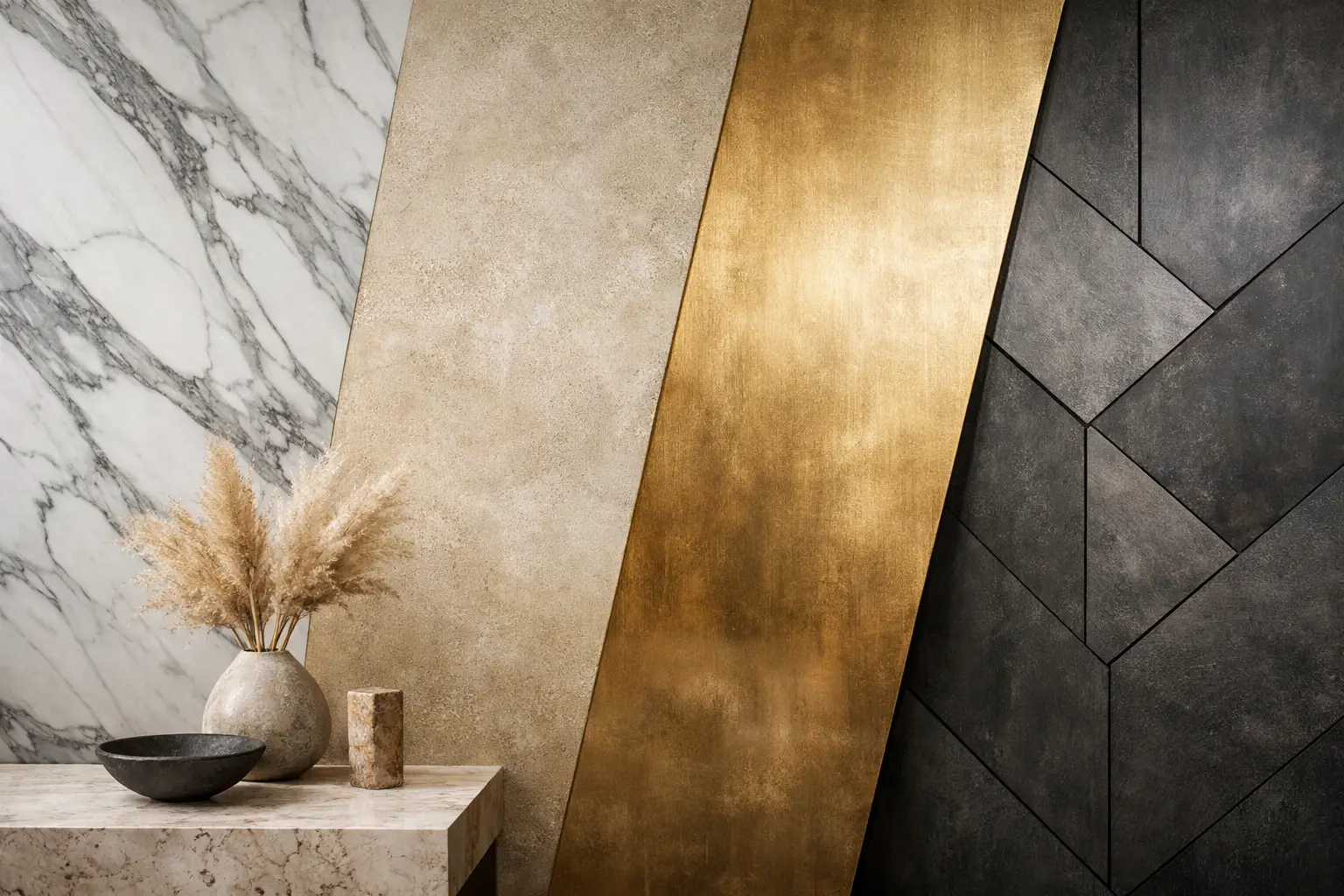
A wall finish does more than fill an empty surface. It controls how light moves through a room, how sound behaves, and whether a space feels considered or unfinished. This guide to luxury wall finishes is designed for homeowners and professionals choosing materials that bring natural warmth, visual depth, and practical performance to refined interiors and exteriors.
Luxury is not simply about choosing the most expensive material. It is about selecting a finish that feels intentional, performs reliably in its setting, and continues to look exceptional long after installation. From acoustic slat panels in a media room to weather-resistant composite cladding around an outdoor entertainment area, the right surface can change the entire character of a property.
What Makes a Wall Finish Feel Luxurious?
A luxurious wall finish has presence without overwhelming the room. It pairs a strong visual identity with quality detailing: consistent color, convincing texture, clean joins, and thoughtful transitions at corners, ceilings, and edges. A beautiful feature wall can lose its impact when exposed ends or uneven trim lines are left unresolved.
Materiality matters, but so does restraint. Rich timber-inspired tones, fluted profiles, stone textures, plaster effects, and carefully specified paint can all feel premium. The difference lies in scale, placement, and execution. A small wall behind a bed may benefit from a deep, enveloping finish, while a light-filled office may need a warmer neutral surface that softens the space without making it feel enclosed.
Performance is another defining factor. In a restaurant, boardroom, or open-plan living space, a surface that improves sound absorption offers a luxury people can hear as well as see. Outdoors, a finish should stand up to sun, moisture, and changing temperatures without demanding the maintenance associated with natural timber.
A Guide to Luxury Wall Finishes by Material
The best material depends on the atmosphere you want to create and the demands of the room. Start with the function of the surface before focusing on the finish alone.
Acoustic slat wood panels
Acoustic slat panels are a natural choice for spaces that need warmth and improved sound control. Their linear timber look introduces rhythm and architectural depth, while the acoustic backing helps reduce echo and soften reverberation. This makes them particularly effective in TV rooms, home offices, bedrooms, reception areas, restaurants, and meeting rooms.
The visual appeal comes from repetition and shadow. Vertical slats can make a ceiling feel higher, while horizontal placement can visually widen a narrow room. Darker oak-inspired tones create a more dramatic, intimate mood; lighter wood tones suit airy contemporary interiors.
These panels are not a cure for every acoustic challenge. Large spaces with hard floors, glass walls, and exposed ceilings may still require additional acoustic planning. Yet as a design-led solution, they offer a meaningful improvement in speech clarity while transforming a blank wall into a focal point.
Outdoor composite wall panels
Exterior finishes must work harder. Natural wood can be beautiful, but it often requires sealing, staining, and ongoing protection against moisture and UV exposure. Premium composite wall panels offer a more practical route to the same warm, timber-inspired effect.
They are well suited to covered patios, pool surrounds, entrance walls, garden rooms, hospitality terraces, and commercial facades. The key benefit is low-maintenance durability. A well-specified composite surface can deliver consistent color and texture without the regular upkeep that traditional wood demands.
Consider the orientation of the wall before choosing a shade. Dark finishes can look striking on a protected feature wall but may absorb more heat in full sun. Lighter or mid-tone options are often more forgiving in exposed areas. Also plan ventilation, substrate preparation, and drainage carefully, especially where panels are installed outdoors.
Decorative plaster and textured finishes
Venetian-inspired plaster, limewash effects, and fine mineral textures create a softer form of luxury. Rather than relying on pattern or linear detail, they bring movement through subtle tonal variation. These finishes work beautifully in formal living rooms, boutique hospitality spaces, bedrooms, and calm reception areas.
Their appeal is tactile and understated, but installation quality is critical. Hand-applied finishes can vary from one installer to another, and repairs may be more visible than expected. They are best chosen when the project calls for an artisanal look and the client is comfortable with a degree of natural variation.
Stone, porcelain, and large-format surfaces
Stone cladding and porcelain slabs bring weight, permanence, and a distinctly architectural character. They are particularly compelling around fireplaces, in luxury bathrooms, at reception counters, or on exterior statement walls. Veining, texture, and scale can create a high-end result with relatively little additional decoration.
The trade-off is cost and installation complexity. These surfaces can be heavy, may require specialist preparation, and are less forgiving when changes are needed later. Large-format porcelain can offer some of the same visual drama with easier care, but careful alignment remains essential.
Select Finishes for the Way the Room Is Used
A wall finish should support daily life, not create another maintenance task. A family room may need a durable, wipeable surface that can handle regular use. A quiet bedroom can prioritize softness and atmosphere. In a commercial setting, the decision should consider traffic, cleaning requirements, brand identity, and the speed of installation.
For offices, acoustics often deserve early attention. Hard surfaces reflect sound, which can make conversations feel louder and reduce privacy in meeting spaces. Acoustic slat paneling can create a polished visual identity while helping the room feel more composed and comfortable for focused work.
For hospitality venues, consider how the finish will look under evening lighting as well as daylight. Warm wood-inspired textures often photograph beautifully and make guests feel at ease, but they should be balanced with durable surfaces in high-contact zones. For restaurants and cafés, a layered material palette can prevent the interior from feeling overly hard or echo-prone.
Color, Scale, and Lighting Shape the Final Result
The same panel can feel completely different depending on its surroundings. Before committing, view samples against the floor, cabinetry, textiles, and metal finishes already planned for the room. Warm woods usually sit comfortably alongside brass, black accents, cream upholstery, and natural stone. Cooler greys can feel more contemporary but may need warmer lighting to avoid a clinical effect.
Scale is equally influential. Narrow slats bring detailed texture and work well on smaller feature walls. Wider profiles can feel bolder and more architectural in larger rooms or commercial spaces. Avoid covering every wall with a highly textured material unless the design concept calls for a deliberately immersive effect. One precisely placed surface generally has more impact than multiple competing finishes.
Lighting should be planned alongside the wall finish. Grazing light from a wall washer or carefully positioned downlights can emphasize the depth of slats, stone, and textured plaster. Soft, warm lighting is often the more flattering choice for timber-inspired finishes, particularly in residential and hospitality settings.
Details That Separate Premium Installation From Average Installation
The most successful luxury walls are designed as complete compositions. Think beyond the panel face itself. Trims, corner edges, end slats, and transitions around doors, sockets, joinery, and ceilings should be planned before installation begins.
A clean perimeter makes a finish feel custom rather than applied as an afterthought. This is where matching accessories matter. They help create crisp external corners, resolve exposed panel ends, and maintain a continuous material language across the wall.
Preparation also determines longevity. Walls should be dry, level, and suitable for the chosen fixing method. If the surface is uneven, do not expect the finish to conceal every flaw. Installers should confirm measurements, account for expansion where relevant, and map out panel positions before making the first cut.
At Inspiration Wood, premium slat and composite solutions are designed to make this level of transformation more achievable, combining sophisticated wood-inspired finishes with practical installation and low-maintenance performance.
Make a Confident Final Choice
When comparing finishes, ask more than whether a sample looks good. Ask how it will age, how it responds to moisture and direct sun, whether it supports the acoustics of the room, and how easily it can be cleaned or repaired. A finish that looks exceptional on installation day but clashes with the demands of the space is rarely the luxurious choice.
Choose a surface that gives the room a clear point of view. Whether that means the quiet rhythm of acoustic timber slats, the lasting ease of composite exterior cladding, or the subtle movement of textured plaster, the strongest wall finish is one that makes the people using the space feel they have arrived somewhere considered.