

Blog
How to Upgrade Patio Walls With Lasting Style

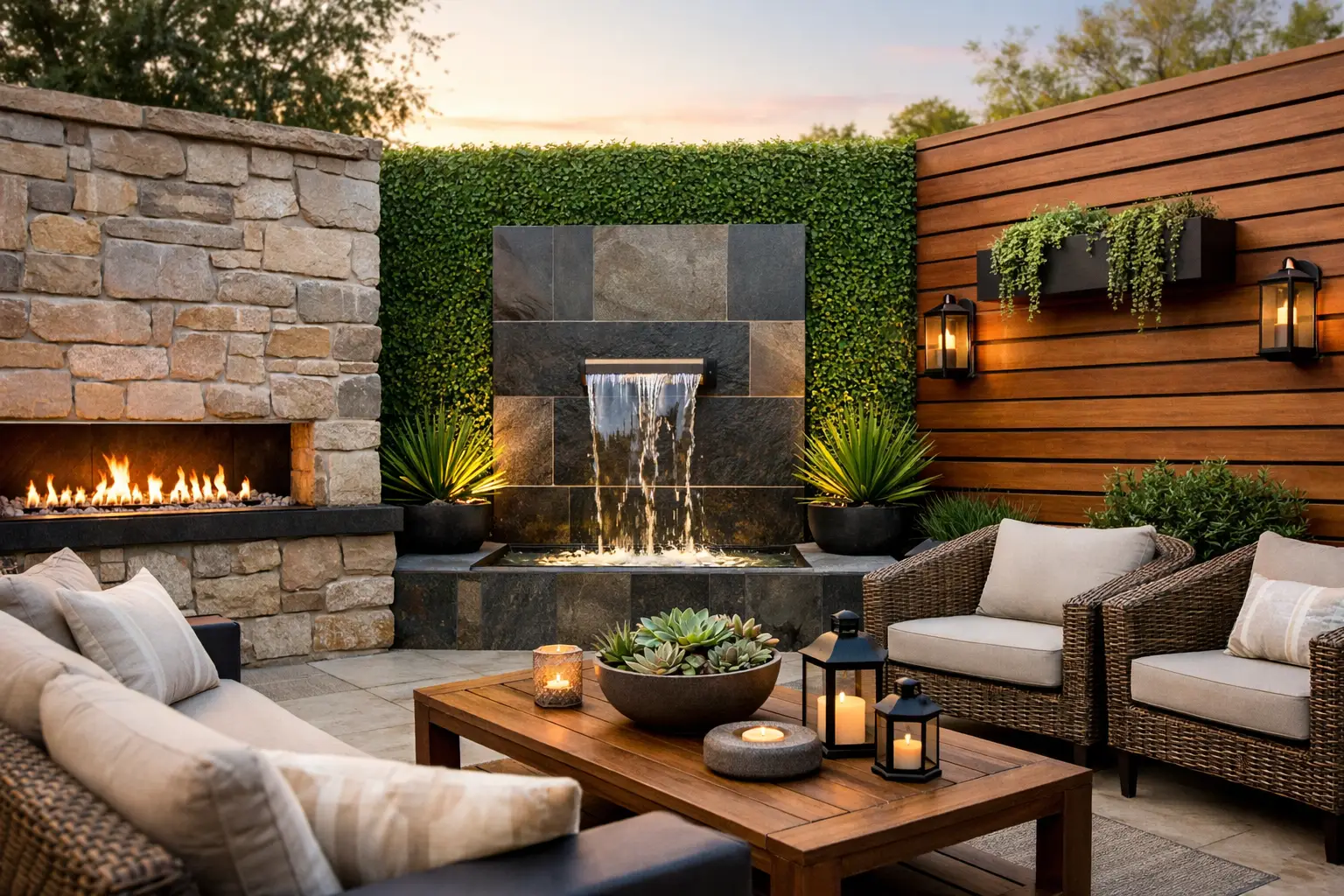
A patio can have beautiful furniture, generous planting, and warm evening lighting, yet still feel unfinished when the surrounding walls are plain, stained, or visually disconnected from the home. Learning how to upgrade patio walls is often the design decision that turns an exposed outdoor area into a composed extension of the living space.
The most successful upgrade is not simply a new surface. It considers proportion, weather exposure, maintenance, privacy, and how the patio is used. A compact courtyard needs a different approach from a covered entertainment terrace or a restaurant garden. The goal is to introduce texture and architectural presence while choosing materials that will continue to look refined after changing seasons.
Start With the Patio’s Job
Before selecting a finish, decide what the wall needs to achieve. It may need to create privacy from a neighboring property, disguise an uneven boundary wall, frame a dining area, soften hard masonry, or establish a stronger connection between indoors and out.
A feature wall behind a built-in grill, for example, benefits from a darker, grounded finish that can hold its own against stainless steel and stone. A narrow patio often needs a lighter tone and a horizontal visual rhythm to make the space feel broader. Where a wall is visible from the living room, repeating a material or color from the interior creates a more considered transition.
Also assess the practical conditions. Note which walls receive direct afternoon sun, wind-driven rain, irrigation spray, or smoke from a fire pit. A beautiful finish that is not suited to those conditions can become an expensive maintenance project. Exterior-rated composite wall panels offer a particularly compelling balance of wood-inspired warmth, weather resistance, and low upkeep for walls exposed to everyday outdoor life.
How to Upgrade Patio Walls With Composite Cladding
Composite cladding gives a patio wall depth that paint alone cannot achieve. Its linear profile introduces order and shadow, while its wood-look finish brings the warmth associated with timber without the regular sanding, sealing, and staining that natural wood can demand.
This makes it a strong choice for homeowners who want a premium outdoor setting with less ongoing maintenance. It is equally effective in hospitality spaces, where finishes need to remain polished despite frequent use, cleaning, and changing weather.
Choose Direction Deliberately
Panel direction changes the perceived proportions of a wall. Horizontal installation visually stretches a compact patio and suits long boundary walls. Vertical installation draws the eye upward, adding height and a more contemporary architectural feel to lower walls or enclosed courtyards.
There is no universal right answer. Consider the dominant lines already present in the space. Horizontal cladding can echo wide-format paving and long outdoor benches, while vertical panels may complement pergola posts, tall planting, or slim black-framed doors.
Use Color to Set the Mood
Wood-inspired tones should support the wider exterior palette rather than compete with it. Deep charcoal and espresso shades feel sophisticated against pale stone, concrete, and lush green foliage. Mid-tone browns provide an inviting, familiar warmth and pair naturally with neutral paving. Lighter timber tones can brighten shaded patios, although they may require more thoughtful cleaning in dusty or high-traffic locations.
For a restrained, high-end result, choose one main wall finish and let it carry the visual weight. Too many competing materials can make an outdoor room feel fragmented. If your patio includes textured stone, patterned tile, or dramatic planting, a clean linear cladding profile often provides the calm structure the composition needs.
Finish Every Edge Properly
The details are what separate a wall treatment from a fully resolved exterior feature. Trim pieces, corner edges, and end slats create clean transitions around openings, returns, and exposed panel ends. They also protect the installation from looking improvised when viewed from the side.
Plan these components before ordering materials, particularly around doors, outdoor counters, electrical points, and wall lights. A well-finished edge allows the cladding to look intentional from every angle, including the views most guests will notice as they enter the patio.
Build a Layered Outdoor Wall
A wall surface alone can transform the setting, but a few carefully chosen layers make it feel genuinely livable. Avoid treating every wall as a feature wall. One focal point generally has more impact than several surfaces competing for attention.
A cladded wall behind a lounge setting can be paired with warm, downward-facing lighting that emphasizes the panel texture after sunset. Slim planters in front of the wall introduce softness and movement. For privacy, a taller section of cladding can frame a screening element without enclosing the whole patio.
Consider how the wall will look at night as much as during the day. Outdoor lighting should reveal texture rather than wash it out. Soft wall grazers, discreet uplights at planting, or integrated lighting beneath a bench can create depth while keeping the atmosphere relaxed. Use fittings rated for outdoor conditions, and have electrical work completed by a qualified professional.
Do Not Ignore the Existing Wall Condition
Cladding can cover visual imperfections, but it should not hide structural or moisture problems. Inspect the wall for cracks, loose render, active dampness, poor drainage, and areas where water consistently pools at the base. Resolve these issues first.
Installation requirements depend on the panel system and substrate. A flat, stable masonry wall may allow for a relatively direct installation, while uneven walls often need battens or a suitable framing system to create a level plane. This cavity can also assist with drainage and ventilation where required by the product specification.
Measure more than the main wall area. Account for returns, cutouts, windows, gates, corners, and wastage. It is also wise to confirm expansion spacing, fastener requirements, and clearance from heat sources before work begins. Composite materials are designed for exterior durability, but like all architectural finishes, they perform best when installed according to their specified system.
Match the Upgrade to Your Budget and Timeline
Painting remains the quickest and least expensive patio-wall refresh, especially if the surface is sound and the objective is simply a color change. It can be effective, but it will not add substantial texture, acoustic softness, or the architectural presence of a profiled wall finish.
Natural timber offers authentic variation and character, but it asks more of the owner over time. In exposed locations, it may need regular protective treatment and close attention to moisture, fading, and movement. Composite cladding typically has a higher initial material cost than paint, yet its low-maintenance appeal and consistent appearance can make it the more practical long-term choice for many homes and commercial settings.
For a phased renovation, begin with the wall that has the greatest visual influence: the backdrop to the dining table, the wall opposite the main doors, or the boundary most visible from inside. Completing one wall to a high standard is more powerful than spreading a limited budget across several minor changes.
Make the Patio Feel Connected to the Home
The finest patio upgrades feel like an extension of the architecture rather than an outdoor afterthought. Repeat a black metal detail from interior window frames, use cushions that reference an indoor accent color, or carry a warm wood tone from a living room feature into the outdoor wall finish.
This approach is especially valuable for designers and property owners creating hospitality, office, or retail environments. A thoughtfully finished terrace can support a brand experience, encourage guests to linger, and provide a more distinctive setting for informal meetings or dining.
Inspiration Wood’s exterior composite solutions are designed for this meeting point between natural texture and modern practicality. The right panel profile, tone, and finishing details can give a plain wall a confident architectural role without adding an exhausting maintenance routine.
A patio wall should not merely mark the edge of the property. Treat it as the backdrop to mornings outside, long lunches, and evenings that continue after the sun has set. Choose a finish that earns that role beautifully, then let the rest of the space gather around it.