

Blog
Composite Cladding vs Brick: Which Fits Your Home?

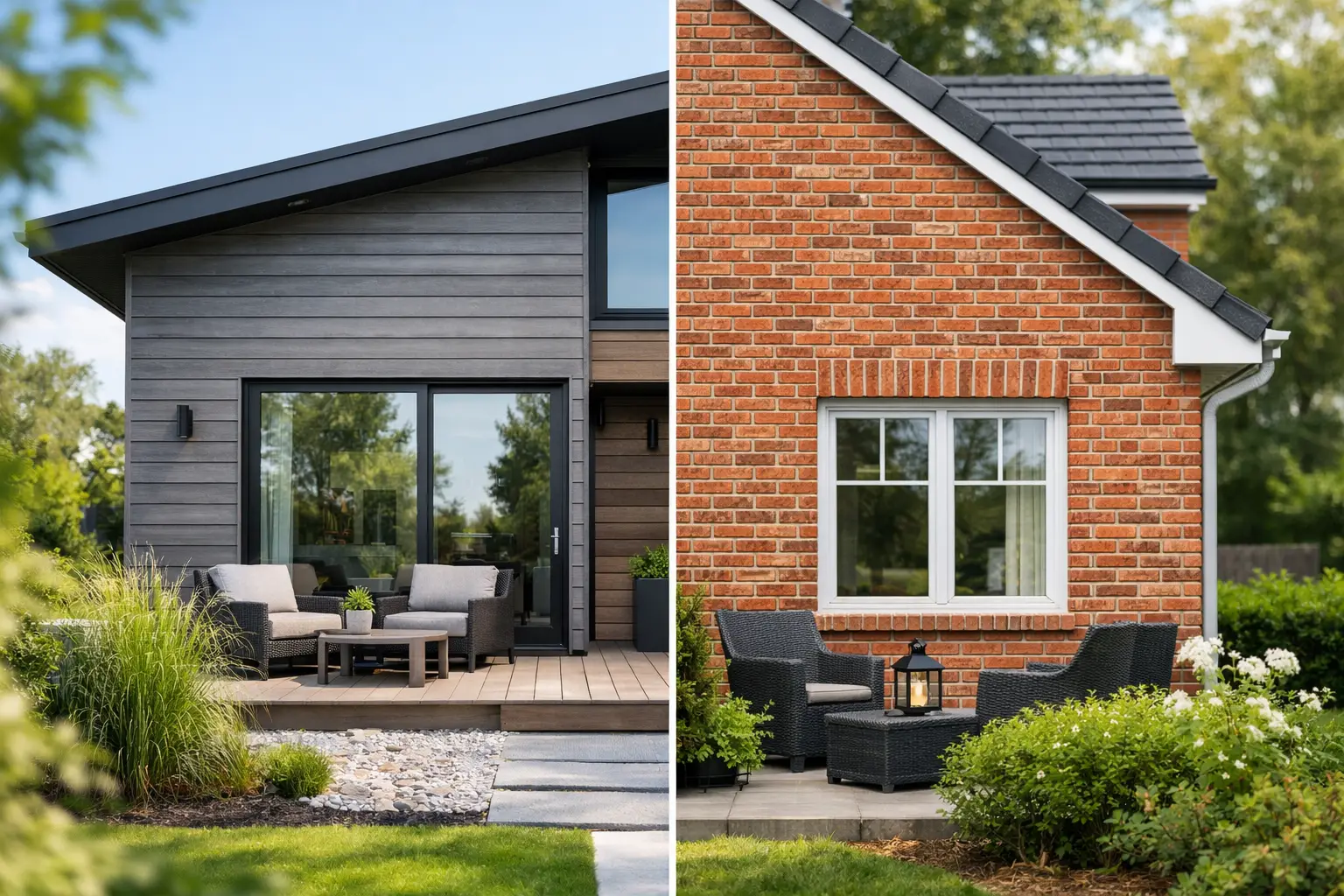
A facade can change the entire character of a home before anyone steps through the front door. In the choice between composite cladding vs brick, the best answer is rarely about which material is universally better. It is about the architecture you want to create, the climate your exterior must handle, the level of maintenance you accept, and whether you are renovating one feature wall or building a complete exterior envelope.
Brick brings permanence, texture, and a familiar sense of solidity. Composite cladding offers a more contemporary wood-inspired finish with cleaner lines, lighter installation, and less routine upkeep. Both can create a premium result, but they do so in very different ways.
Composite Cladding vs Brick: The Essential Difference
Brick is a masonry material, typically laid with mortar as either a structural wall or a brick veneer over another wall system. It has visual depth, substantial weight, and a traditional architectural presence. Its performance depends not only on the brick itself, but also on mortar quality, drainage details, wall ties, flashing, and workmanship.
Composite cladding is generally a manufactured exterior board designed to provide the warm appearance of timber with greater resistance to weathering and a more predictable maintenance routine. Quality systems commonly combine wood fibers or other fillers with polymers, then use protective surface technology and purpose-made trims to create a finished facade. It is installed as a rain-screen-style decorative surface over a suitable backing structure, not as a structural wall.
That distinction matters. Choosing composite cladding means selecting an exterior finish system. Choosing brick can mean selecting both a finish and a significant part of the building assembly. For an addition, new build, or major renovation, discuss the full wall design with a qualified professional and follow local code requirements.
Design Character: Tradition or Contemporary Warmth
Brick is difficult to replace when the goal is heritage character, earthy texture, or a home that feels rooted in its setting. A soft red, charcoal, cream, or handcrafted brick can give a facade visual variation that becomes richer in changing light. It works particularly well on traditional homes, cottages, colonial-inspired architecture, and projects where neighboring buildings establish a brick-led streetscape.
Composite cladding suits projects that call for a refined, architectural finish without the ongoing demands of natural timber. Horizontal boards can make a low elevation feel wider, while vertical cladding adds height and a more tailored profile. Wood-look tones soften modern forms, complement glass and stone, and bring welcome warmth to minimalist architecture.
The most compelling homes often use both materials with intention. Brick can anchor the base of a home or define a chimney volume, while composite cladding highlights an upper story, entryway, courtyard wall, or covered outdoor living area. This layered approach prevents a large facade from feeling flat and lets each material do what it does best.
Maintenance: Where Composite Often Has the Advantage
Brick has a deserved reputation for longevity, but “low maintenance” does not mean “no maintenance.” Mortar joints can deteriorate over time, particularly where freeze-thaw cycles, persistent moisture, or poor drainage are present. Efflorescence, staining, cracking, and damaged pointing may need professional attention. Cleaning should also be approached carefully, as overly aggressive washing can damage brick faces or mortar.
Composite cladding is designed for homeowners and commercial property owners who want the visual appeal of wood without frequent sanding, staining, sealing, or painting. A periodic wash with mild soap and water is often enough to remove surface dirt, pollen, and everyday marks. That makes it particularly appealing for tall walls, hospitality settings, and high-visibility exteriors where a consistently polished appearance matters.
There are still practical responsibilities. Composite boards need correct spacing for thermal movement, proper airflow behind the cladding, suitable fasteners, and manufacturer-approved trims. Darker colors may show dust more readily, while sheltered areas can collect grime if they are not rinsed occasionally. A premium material deserves a considered installation, because even the best board cannot compensate for poor flashing or drainage.
Durability, Moisture, and Climate Performance
Brick performs exceptionally well when it is correctly specified and built. It does not rot, it resists insects, and it can stand up to decades of sun and weather. Yet brick is porous to varying degrees, which means moisture management remains essential. Water entering through cracks, failed mortar, missing flashing, or poor drainage can create problems behind the visible surface.
Composite cladding is valued for its weather resistance and dimensional consistency compared with traditional wood. It will not need the same cycle of refinishing associated with timber, and it is not vulnerable to the same kind of rot or termite damage. For rain-exposed accent walls, poolside entertaining areas, or contemporary garden rooms, this can make composite an especially practical finish.
Climate should guide the final specification. In areas with intense sun, select a product with color stability suited to high UV exposure. In cold locations, ensure the entire wall assembly is designed for moisture control and freeze-thaw conditions. In coastal settings, use corrosion-resistant fixings and plan for regular cleaning to remove salt deposits. No exterior finish works in isolation from its installation details.
Installation, Weight, and Renovation Potential
Brick construction is labor-intensive and heavy. It often requires foundations or structural support designed to carry its load, along with skilled masonry work and curing time for mortar. For new construction, this may be entirely appropriate. For a remodel, however, adding brick to an existing wall can involve more disruption, more site mess, and higher labor costs than expected.
Composite cladding is considerably lighter and generally faster to install over a prepared wall or subframe. Because boards, starter pieces, corner edges, and trims are designed to work together, the finished result can feel crisp and intentional around windows, returns, and transitions. This makes composite especially useful when updating a dated stucco wall, refreshing an entry facade, or creating an exterior feature without rebuilding the structure beneath it.
Fast installation should not be confused with a shortcut. The backing wall must be sound, level, and protected by the appropriate water-resistive layer. Penetrations around lights, outlets, windows, and doors require careful detailing. A contractor experienced with ventilated cladding systems can help protect both the appearance and long-term performance of the project.
Cost: Look Beyond the Purchase Price
The cost comparison between composite cladding and brick is not straightforward because material, labor, structural requirements, transportation, and maintenance all vary by market. Brick may appear cost-effective in some regions where local supply and masonry labor are readily available. Specialty brick, complex patterns, structural alterations, and extensive repointing can quickly move the total upward.
Composite cladding may carry a premium material cost compared with basic exterior finishes, yet it can offer savings through quicker installation, less structural load, and reduced long-term maintenance. It also gives designers greater control over a consistent finish across broad surfaces, something that can be valuable in retail, hospitality, and contemporary residential work.
Ask for an installed-cost estimate rather than comparing board or brick prices alone. It should include preparation, moisture barriers, subframing, trims, fasteners, labor, waste, and any needed structural work. Then consider how much time and money you expect to spend maintaining the facade over the next decade.
Fire Safety and Building Requirements
Neither material should be selected on appearance alone where fire performance is a concern. Brick is noncombustible, but the full wall assembly may include combustible components behind it. Composite cladding products vary widely in composition and fire ratings, so product documentation, local code requirements, building height, property location, and intended use all need to be reviewed before specification.
For commercial projects, multifamily buildings, or homes in wildfire-prone areas, involve the project architect, contractor, and relevant code authority early. The right choice may depend on approved assemblies, setbacks, sprinkler provisions, and local regulations rather than aesthetic preference alone.
When Each Material Makes the Most Sense
Choose brick when you want enduring masonry character, a traditional or contextual facade, and a material with proven long-term presence. It is a strong choice for full elevations, grounded architectural forms, and projects where the construction budget and structure support a masonry solution.
Choose composite cladding when you want a clean wood-inspired aesthetic, a lighter exterior finish, quicker renovation potential, and low-maintenance performance. It is especially effective for feature walls, upper-level volumes, entrance statements, outdoor entertainment zones, and commercial facades that need a polished, contemporary identity.
For a design-led balance of warmth and practicality, composite cladding can turn an ordinary elevation into a considered architectural moment. Select the finish that supports the way the building will be used, exposed, and maintained, then give equal attention to the details behind the visible surface. That is where a beautiful facade earns its staying power.