

Blog
Do Wall Panels Increase Property Value? The Design Case

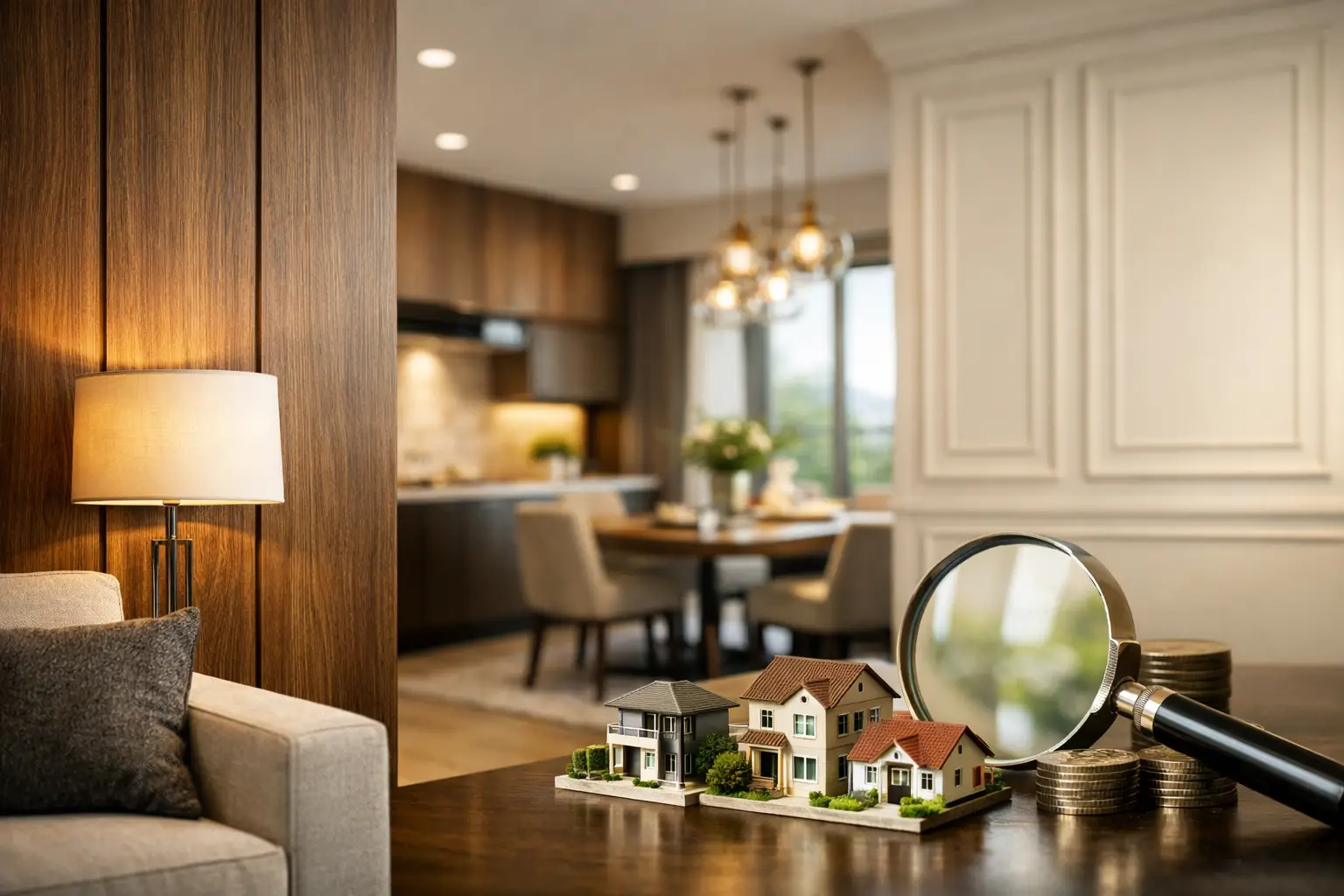
A plain wall can make an otherwise well-finished room feel unfinished. A carefully chosen slatted timber-look feature wall, however, can give a living room, entryway, bedroom, or reception area the composed look buyers remember after viewing several properties. So, do wall panels increase property value? They can, but not as a guaranteed dollar-for-dollar upgrade. Their strongest contribution is often to perceived value: the feeling that a property has been thoughtfully designed, well maintained, and ready to enjoy.
For homeowners, developers, and commercial property owners, that perception matters. It can improve the quality of listing photography, create a more memorable viewing experience, and support a stronger asking position when the finish suits the property, its location, and its likely buyer.
Do Wall Panels Increase Property Value in Practice?
Property value is ultimately shaped by the fundamentals: location, lot size, condition, layout, comparable sales, local demand, and the overall standard of the home or commercial space. Wall panels do not override those factors. A premium finish in a poorly maintained property will not solve structural problems, an awkward layout, or an unrealistic price.
What panels can do is improve how those fundamentals are experienced. They give selected surfaces depth, warmth, texture, and architectural intention. In a competitive market where buyers may see multiple similar homes in one day, those details help a property feel more distinctive.
The best result is usually not a dramatic promise of a higher appraisal. It is a more polished presentation that can make the space feel more valuable, reduce objections around bland or dated interiors, and potentially help attract the right buyer sooner. In design-led homes and hospitality settings, this can be especially influential because buyers and guests respond to atmosphere as much as square footage.
Why Buyers Respond to Finished Walls
People rarely buy a property based on one feature wall. They buy the complete impression of a place. Yet wall and ceiling finishes affect that impression immediately because they sit within the field of view in every room.
Premium acoustic slat panels bring a natural wood-inspired texture without the visual heaviness or upkeep often associated with traditional timber cladding. Used behind a television, around a fireplace, at an entry, or as a refined bedroom headboard backdrop, they can make an ordinary room look more intentional. The effect is not simply decorative. It suggests that the owner invested in materials, proportion, and comfort rather than applying a quick cosmetic fix.
Exterior composite wall panels can create a similar advantage at the point where first impressions are formed. A durable, low-maintenance finish around an entrance, patio, facade feature, or outdoor entertainment area can lend a home a more considered architectural identity. For commercial properties, it can help a storefront, restaurant frontage, or office arrival zone communicate quality before a visitor steps inside.
Function Adds More Than Visual Appeal
A beautiful finish has greater value when it solves a real problem. This is where acoustic panels can stand apart from purely decorative upgrades.
Hard surfaces such as tile, glass, concrete, and painted drywall can make a room sound sharp and echoing. In open-plan homes, meeting rooms, restaurants, reception areas, and offices, poor acoustics can affect conversation, concentration, and comfort. Acoustic slat wall panels help soften reflected sound while adding a warm architectural surface.
That practical benefit may not appear as a separate line item on an appraisal, but it can improve how people experience the property. A buyer standing in a calm, comfortable living area or a client walking into a meeting room with clearer speech may register the space as more premium and more usable.
The same principle applies outdoors. Composite exterior panels are designed to offer a wood-inspired appearance with weather resistance and lower maintenance demands than natural timber. For a buyer who wants an elevated outdoor space without committing to frequent sanding, sealing, staining, or repainting, that convenience has genuine appeal.
Where Wall Panels Can Make the Biggest Difference
Placement matters more than coverage. Covering every wall in a home can feel excessive, particularly in smaller spaces or interiors with limited natural light. A focused application usually creates a stronger result and protects the sense of balance buyers expect from a premium space.
In residential properties, the most effective areas are often the entrance wall, main living room, dining area, primary bedroom, home office, media room, and covered patio. These are spaces where people either form a first impression or spend meaningful time. A panel installation that frames a fireplace, defines a dining zone, or turns a plain bedroom wall into a calm retreat can make a layout feel more resolved.
In commercial settings, panels are particularly effective in reception areas, boardrooms, hospitality venues, restaurant banquettes, retail displays, and customer-facing corridors. Here, the potential value is tied not only to resale but also to brand perception, tenant appeal, guest experience, and day-to-day usability.
The Quality of the Installation Shapes the Outcome
Panels increase perceived value only when they look like they belong. Poor alignment, unfinished edges, visible gaps, mismatched colors, or an awkwardly chosen wall can have the opposite effect. Buyers are quick to notice a finish that appears improvised.
A premium result depends on accurate measuring, clean cuts, purposeful layout, and properly finished details. Trims, corner edges, end slats, and coordinated accessories matter because they create a complete architectural finish rather than a panel system that simply stops at the edge of a wall.
Color selection deserves the same care. Warm oak-inspired tones can soften modern white interiors and complement natural stone, linen, and matte black accents. Darker tones can add drama in large, well-lit rooms, while lighter finishes may be better suited to compact spaces that need to retain an open feeling. The goal is not to follow a trend blindly. It is to choose a finish that supports the property’s existing materials and likely buyer profile.
When Panels May Not Add Meaningful Value
There are situations where wall panels are less likely to influence value. If a home needs essential repairs, outdated electrical work, roof maintenance, or a kitchen and bathroom refresh, those priorities generally come first. Buyers and appraisers tend to place more weight on condition and core functionality than on decorative finishes.
It is also worth avoiding highly personal design choices when preparing specifically for sale. Extremely dark paneling in a small room, an overly busy pattern, or a color that clashes with the rest of the home can narrow buyer appeal. Neutral, timeless wood-inspired finishes are often the safer choice when the objective is broad market confidence.
Budget should guide the decision as well. If a panel installation would require compromising on essential repairs or over-improving far beyond neighboring properties, the financial return may be limited. The right question is not whether panels automatically add value. It is whether they elevate the property in a way that suits its price bracket and audience.
A Smarter Way to Treat Wall Panels as an Investment
Think of wall panels as part of a wider presentation strategy. They work best alongside fresh paint, well-planned lighting, clean flooring transitions, quality hardware, and uncluttered styling. Together, these elements create the sense that a property has been cared for with intention.
For homeowners planning to stay, the return is also lived in. Better acoustics, a warmer atmosphere, easier-care exterior finishes, and a more personal home environment deliver value every day, not only at resale. For designers and contractors, a curated system of panels, trims, and finishing components makes it easier to specify a refined result with practical performance built in.
Inspiration Wood’s premium surface solutions are designed around this balance: natural texture, modern durability, and polished details that make a room or facade feel complete. Choose the wall that has the greatest visual or functional impact, finish it properly, and let the improvement speak through the way people feel when they enter the space.