

Blog
Acoustic Wall Treatment That Looks Better

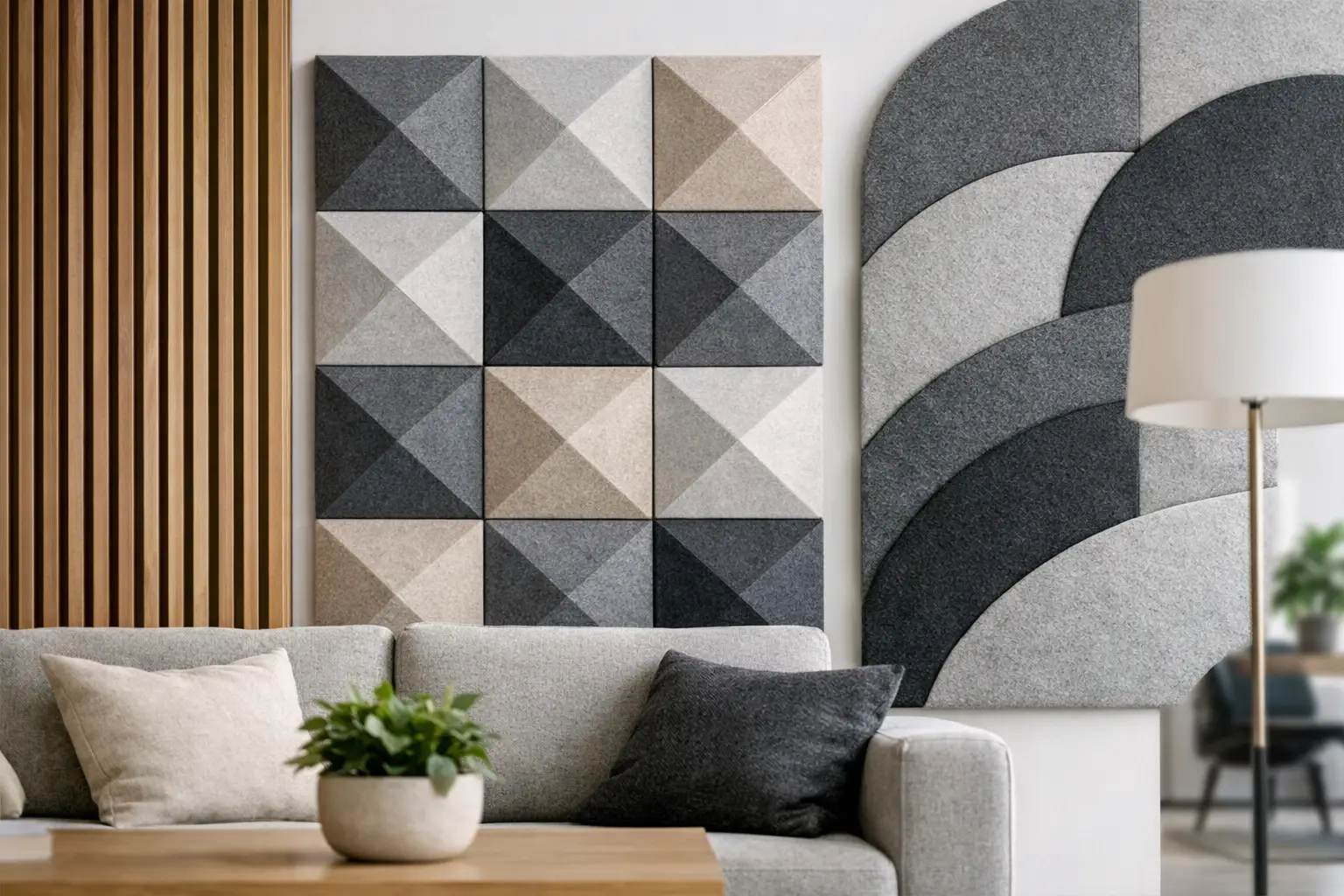
A beautiful room can still feel unfinished when the sound is wrong. Hard floors, painted walls, glass, and open-plan layouts often create echo that makes conversation feel sharp and tiring. That is why acoustic wall treatment has become such a valuable design decision – not only for studios or boardrooms, but for living rooms, bedrooms, offices, restaurants, and reception spaces where comfort matters.
The shift is noticeable once a space is treated well. Voices become clearer. Background noise feels less intrusive. The room still looks refined, but it also becomes easier to live in, work in, and welcome people into. For homeowners and design professionals alike, that balance between performance and appearance is where the best wall solutions stand apart.
What acoustic wall treatment actually does
At its core, acoustic wall treatment helps manage the way sound behaves inside a room. Sound waves bounce off hard surfaces, and when there are too many reflective finishes in one space, you hear reverberation, flutter echo, and a general sense of noise buildup. This does not always mean a room is loud in terms of volume. Often it means the room feels acoustically harsh.
Wall treatments reduce that harshness by absorbing part of the sound energy before it reflects back into the space. The result is not silence. It is control. Speech becomes easier to follow, music sounds more balanced, and rooms feel calmer and more deliberate.
This is where many people confuse acoustic treatment with soundproofing. They are not the same. Soundproofing is about limiting sound transfer from one room to another. Acoustic wall treatment is about improving sound quality within the room itself. In some projects you may need both, but in many residential and commercial interiors, acoustic treatment alone makes a dramatic difference.
Why acoustic wall treatment matters in modern interiors
Contemporary spaces tend to favor clean lines and hard finishes. Large-format tile, concrete, glass partitions, stone surfaces, and open ceilings all look striking, but they can work against acoustic comfort. A room may photograph beautifully and still feel difficult to occupy for long periods.
That matters in a home where a television competes with kitchen noise, in a home office where video calls need clarity, and in hospitality settings where atmosphere should feel lively rather than chaotic. It also matters in meeting rooms, waiting areas, and executive offices where the acoustic experience quietly shapes how professional the space feels.
Good acoustic design is rarely the first thing someone notices. They notice that they can relax, hear clearly, and stay longer without fatigue. That subtle improvement has real value because it changes how a room performs day after day.
Where acoustic wall treatment works best
Some rooms benefit more immediately than others. Open-plan living spaces are a common example because they combine multiple hard surfaces with multiple functions. Cooking, dining, entertaining, and television viewing all happen in one connected volume, so sound easily builds and spreads.
Bedrooms can also benefit, especially when the goal is a softer, more restful atmosphere. In these spaces, acoustic wall treatment often adds both visual warmth and a sense of calm. Home offices are another strong candidate, particularly for people who spend hours on calls or need a room that feels focused rather than echo-prone.
In commercial settings, the return is often even more obvious. Restaurants, hotel lounges, reception areas, boardrooms, and collaborative offices all rely on communication and atmosphere. If guests have to lean forward to hear each other, or if staff struggle with speech clarity, the interior is not working as well as it should. Treatment placed strategically on walls can improve the experience without compromising the design direction.
Acoustic wall treatment and design do not need to compete
For years, many people associated acoustic panels with purely technical interiors. They worked, but they did little for the visual language of the room. That has changed. Today, the most effective solutions are often the ones that integrate acoustic performance into a finish that also adds texture, rhythm, and architectural character.
This is one reason acoustic slat wall panels have become so compelling. They introduce linear detail, natural wood-inspired warmth, and a more elevated finish while supporting sound absorption. In a residence, that can turn a plain media wall into a focal point. In an office or hospitality venue, it can bring a premium, design-led feel to the room while helping manage echo.
There is a practical advantage here too. When the treatment is also the decorative finish, the design feels intentional rather than remedial. You are not adding a fix after the fact. You are specifying a surface that contributes to the entire room from the start.
How to choose the right acoustic wall treatment
The right choice depends on the room, the problem you are solving, and the standard of finish you want to achieve. If the main issue is speech clarity in a stylish everyday interior, decorative acoustic slat panels are often a strong fit because they pair sound control with a premium aesthetic. If the room has highly specialized acoustic demands, such as recording or technical audio production, a more layered approach may be needed.
Scale matters as well. A small amount of treatment in exactly the right location can improve a room significantly, but very reflective spaces usually need more than a token panel. Placement is part of performance. Covering one narrow section of wall may help, though larger or more central wall areas generally deliver a more noticeable result.
Material quality also deserves attention. A premium finish should not only look refined on day one but continue to do so under everyday use. This is especially relevant in busy family homes, hospitality settings, and commercial projects where durability and maintenance affect long-term value just as much as first impressions.
Placement matters as much as the panel itself
Even excellent products can underperform if they are installed without a plan. Rooms behave differently depending on their shape, ceiling height, furnishings, and surface mix. That is why acoustic wall treatment works best when it responds to how the room is actually used.
In a television lounge or media room, the wall behind or beside the listening area often matters. In dining spaces and restaurants, treatment should support conversation rather than simply decorate an empty surface. In offices and meeting rooms, placing absorption near key reflection points can improve intelligibility and reduce that hollow sound common in glass-heavy interiors.
There is also an aesthetic consideration. A panel arrangement should feel integrated with furniture, lighting, and architectural lines. When treatment aligns with the broader design language of the room, it enhances the space instead of interrupting it.
The trade-off between minimalism and acoustic comfort
Many clients want interiors that feel minimal, crisp, and uncluttered. That instinct makes sense, but stripped-back spaces often need more acoustic support than layered ones. Rugs, curtains, upholstery, and books naturally absorb some sound. When those elements are reduced, the wall finish has to do more of the work.
This does not mean abandoning a clean design. It means being selective about where texture and acoustic absorption are introduced. A single feature wall can transform both the sound and visual depth of a room. In that sense, acoustic treatment can support minimalism by making a space feel more composed, not less.
Why premium acoustic panels suit both home and commercial projects
A well-made acoustic panel offers more than one benefit at once. It improves sound comfort, elevates the look of the interior, and can simplify installation compared with building a custom wall feature from separate components. For professionals, that combination is commercially attractive. For homeowners, it makes a luxury result feel more achievable.
This is especially relevant for projects that need dependable supply, a polished finish, and products designed for straightforward specification. Inspiration Wood speaks directly to that demand with premium acoustic slat wood panels created for interiors that want warmth, sophistication, and practical performance in equal measure.
The appeal is broad because the need is broad. A homeowner may want a more serene living area. A designer may want a striking wall finish that also improves room acoustics. A hospitality venue may want guests to linger comfortably. The solution can serve all three, provided the product is chosen with both sound and style in mind.
Acoustic wall treatment is an investment in how a room feels
People often budget for what they can see first – cabinetry, flooring, lighting, furniture. Sound is left until later, if it is considered at all. Yet the acoustic character of a room affects daily comfort just as much as the visual one. It shapes conversation, concentration, entertainment, and the subtle sense of ease that defines a premium space.
The best interiors do more than look finished. They feel resolved. Acoustic wall treatment helps create that result by softening noise, sharpening clarity, and adding material richness where plain walls fall short. If a room already looks the part but still does not feel quite right, the answer may not be more decor. It may be better sound, expressed through a wall surface that earns its place every day.