

Blog
11 Wall Panel Trim Ideas That Finish a Room

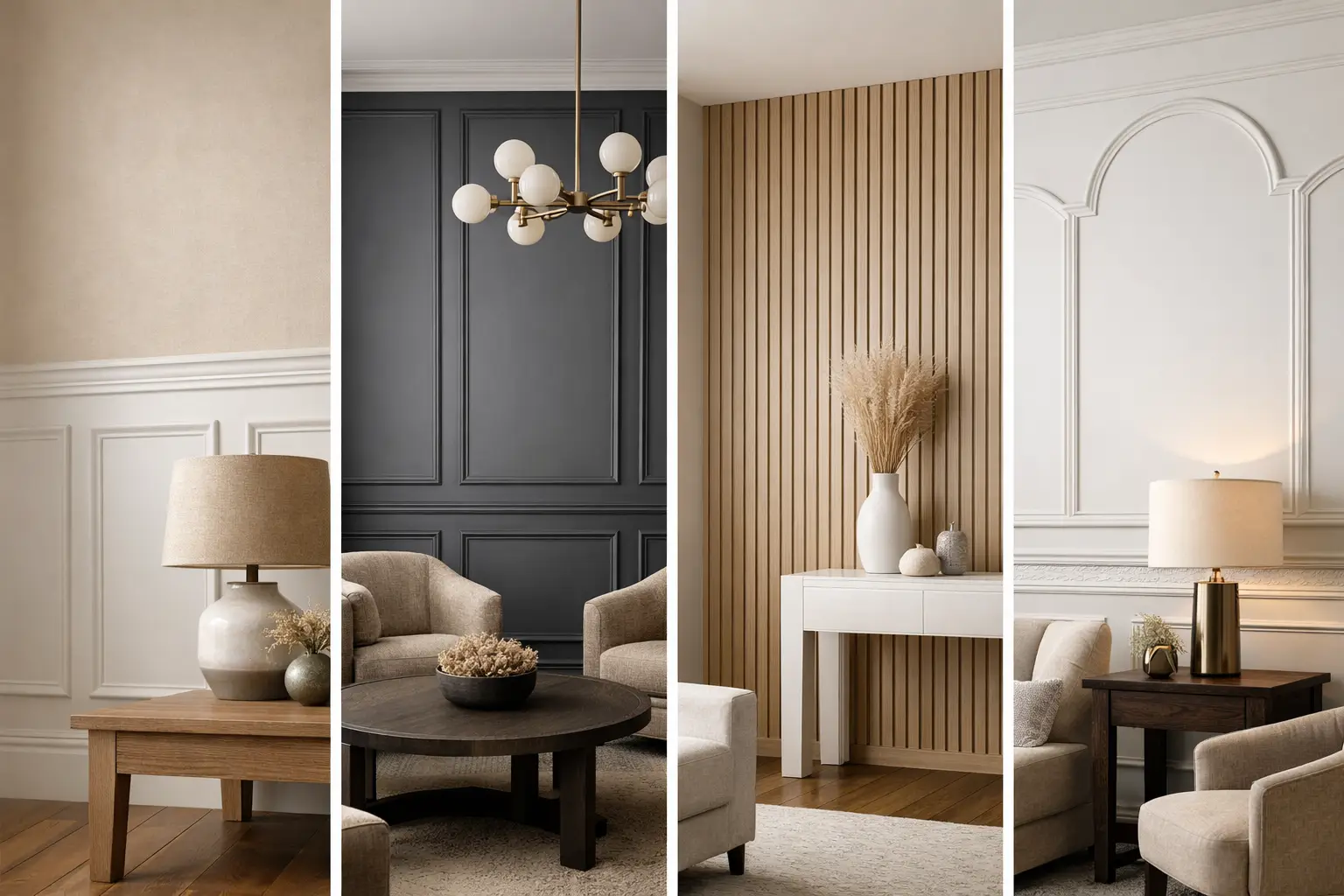
A beautifully paneled wall can still feel unfinished if the edges, corners, and transitions are treated as an afterthought. The best wall panel trim ideas do more than tidy up a perimeter – they sharpen the design, protect vulnerable edges, and give the entire installation a more intentional architectural finish.
That matters whether you are styling a calm bedroom retreat, refining an office reception area, or bringing warmth into a hospitality setting. Trim is often the difference between a panel feature that looks decorative and one that looks fully resolved.
Why wall panel trim ideas matter so much
Panels naturally draw the eye because they add texture, rhythm, and depth. But every panel installation has moments where one material meets another: internal corners, external corners, ceiling lines, floor junctions, window reveals, and visible panel ends. Those are the places where quality shows.
Well-chosen trim creates clean transitions and a premium visual edge. It can also help with durability, especially in busy commercial environments or family homes where corners and exposed ends take knocks over time. In acoustic and decorative wall systems, trim is not just a finishing accessory. It is part of the design language.
Start by deciding what kind of finish you want
Before choosing profiles, it helps to define the look you are after. Some spaces suit a crisp, minimal perimeter where the panel appears almost built in. Others benefit from a framed effect that makes the feature wall feel more dramatic and intentional.
If your style leans modern and understated, slim trims in matching tones usually work best. If you want to emphasize contrast, a darker or lighter edge can outline the panel arrangement with more definition. Neither approach is better in every room. It depends on whether you want the paneling to blend into the architecture or stand apart from it.
1. End trims for a clean stopping point
When paneling does not run wall to wall, the exposed side needs a proper finish. End trims solve that neatly. They cap the visible edge and give the installation a refined, complete look.
This is one of the most practical wall panel trim ideas for TV walls, headboards, reception desks, and half-height applications. Without an end trim, the side profile can look raw. With one, the panel becomes a designed feature rather than a cut sheet on a wall.
Matching the trim to the panel tone keeps the result elegant and cohesive. If you are using wood-look slat panels, this approach helps preserve the natural visual flow.
2. Corner edge trims to protect high-contact areas
External corners are vulnerable. In hallways, retail spaces, restaurants, and office interiors, they are often the first place to show wear. Corner edge trims reinforce these points while maintaining a polished profile.
They are especially useful where paneling wraps around a chimney breast, column, partition wall, or bulkhead. A good corner trim gives the edge a deliberate line instead of an improvised join. In commercial settings, that added protection can also extend the life of the finish.
For residential spaces, the benefit is often visual as much as practical. A precise corner makes the whole wall feel more bespoke.
3. Internal corner trims for a sharper architectural look
Inside corners can be surprisingly difficult to finish well, especially if walls are not perfectly straight. Internal corner trims create a cleaner visual transition where two paneled surfaces meet, reducing the look of gaps or uneven alignment.
This works beautifully in media rooms, studies, and meeting spaces where full wall coverage is part of the design. It also helps when the goal is a more immersive, wrapped effect rather than a single feature panel.
The advantage here is subtle but important. Instead of drawing attention to construction tolerances, the trim keeps the focus on the texture and pattern of the paneling.
4. Ceiling trims that make paneling feel built in
When wall panels stop at the ceiling line, the top edge needs as much care as the side edges. Ceiling trims create a crisp finish and help the installation feel integrated with the room architecture.
This detail becomes even more important if you are extending panels onto the ceiling itself. In premium residential interiors, that continuity can look striking, especially in entryways, lounges, and bedrooms. In hospitality or corporate settings, it adds a sense of design confidence and spatial cohesion.
A minimal trim profile keeps the look contemporary. Heavier trim treatments can work too, but only if they suit the overall architecture. In most modern interiors, restraint feels more luxurious.
5. Base trims for a stronger transition at floor level
The bottom of a paneled wall often has to meet flooring, skirting, or other existing finishes. Base trims help mediate that junction so it does not feel visually abrupt.
In some rooms, a panel can sit neatly above an existing baseboard. In others, replacing or integrating the lower trim creates a cleaner result. This is where planning matters. A beautiful panel installation can lose impact if the bottom edge feels unresolved.
For office and hospitality projects, this detail also affects maintenance. A properly considered base transition is easier to keep clean and less likely to collect dust or show wear at the wall line.
6. Framing trims for feature walls with more presence
Some panel installations benefit from being visually framed, especially when they are centered behind a bed, sofa, dining area, or reception desk. A framing trim outlines the installation and turns it into a focal composition.
This is one of the more decorative wall panel trim ideas, but it can still look highly refined when the proportions are right. The key is not to overbuild it. A slim, premium trim in a coordinating finish adds definition without making the feature feel heavy.
If the room already has strong architectural lines, framing can help the panel wall feel connected to them. If the space is simpler, the frame itself adds enough structure to elevate the scheme.
7. Contrast trims for a more graphic finish
Not every trim has to disappear. In contemporary interiors, contrast trims can add a sophisticated edge, especially with darker slat panels, soft oak tones, or monochrome schemes.
Black trims with lighter wood-inspired panels create a crisp, architectural look. Tonal contrast can also work well in offices and hospitality spaces where a sharper, more branded aesthetic is preferred.
That said, contrast is less forgiving than a matched finish. It highlights every line. If your installation area has irregular walls or awkward junctions, a matching trim may produce the more elegant result.
8. Slimline trims for minimal interiors
In modern homes, less is often more. Slimline trim profiles allow the panel texture to remain the hero while quietly resolving edges and transitions.
This approach suits spaces where you want warmth and detail without visual clutter – think living rooms with soft neutral palettes, bedrooms with layered textures, or executive offices with restrained finishes. The trim is there, but it does not announce itself.
For many design-led projects, this is the sweet spot. You get the practical benefits of protection and clean finishing without interrupting the calm, premium feel of the room.
9. Trim solutions around doors, windows, and niches
The tricky areas in any panel installation are usually the interruptions. Doors, windows, built-in shelving, and wall niches all create breaks in the visual flow. This is where trim earns its keep.
Using coordinated profiles around openings helps maintain consistency and avoids the patchwork look that can happen when installers improvise with unrelated moldings. In commercial interiors, this consistency reads as professionalism. In residential spaces, it gives the room a more custom, high-end appearance.
If your paneling sits close to joinery or glazing, choose trims that are visually slim and proportionate. Bulky edges can make a refined installation feel clumsy.
10. Exterior panel trim ideas need durability first
Exterior paneling brings a different set of requirements. Trim still affects the visual finish, but weather resistance and low maintenance move to the front of the decision.
For outdoor composite wall applications, trims should support clean drainage, protect edges from exposure, and hold their appearance over time. Corners, vertical stops, and top edges all need a more performance-led approach than they might indoors.
This is where specialized systems stand out. Premium exterior panel ranges are designed so trims and accessories work together, creating a cleaner finish with less guesswork during installation.
11. Matching the trim finish to the room’s purpose
The right trim profile is not only about style. It should reflect how the space is used. In a peaceful bedroom, the goal may be softness, continuity, and subtle visual warmth. In a boardroom, sharper lines and controlled detailing may suit the architecture better. In a restaurant or reception area, durability matters just as much as appearance.
Inspiration Wood’s approach to panels and accessories speaks directly to this balance. The finish has to look elevated, but it also has to perform in real spaces, with real traffic, real acoustics, and real expectations around maintenance.
How to choose the best wall panel trim ideas for your project
A few decisions make the selection easier. First, look at where the panel starts and stops. Every exposed edge, corner, and transition will likely need a trim solution. Second, think about whether you want the trim to blend in or create definition. Third, consider the room’s practical demands, especially in offices, hospitality venues, and family homes.
It is also worth planning the trim at the same time as the panels, not after. The most polished spaces feel cohesive because every profile has been considered from the start. That is how a wall treatment moves from attractive to truly architectural.
The finest panel installations do not rely on the panel alone. They are completed by the quiet details that frame, protect, and refine the whole composition. Choose trim with the same care you choose the panel itself, and the room will feel finished in the way people notice immediately, even if they cannot quite explain why.