

Blog
12 Wood Look Wall Cladding Ideas for Refined Rooms

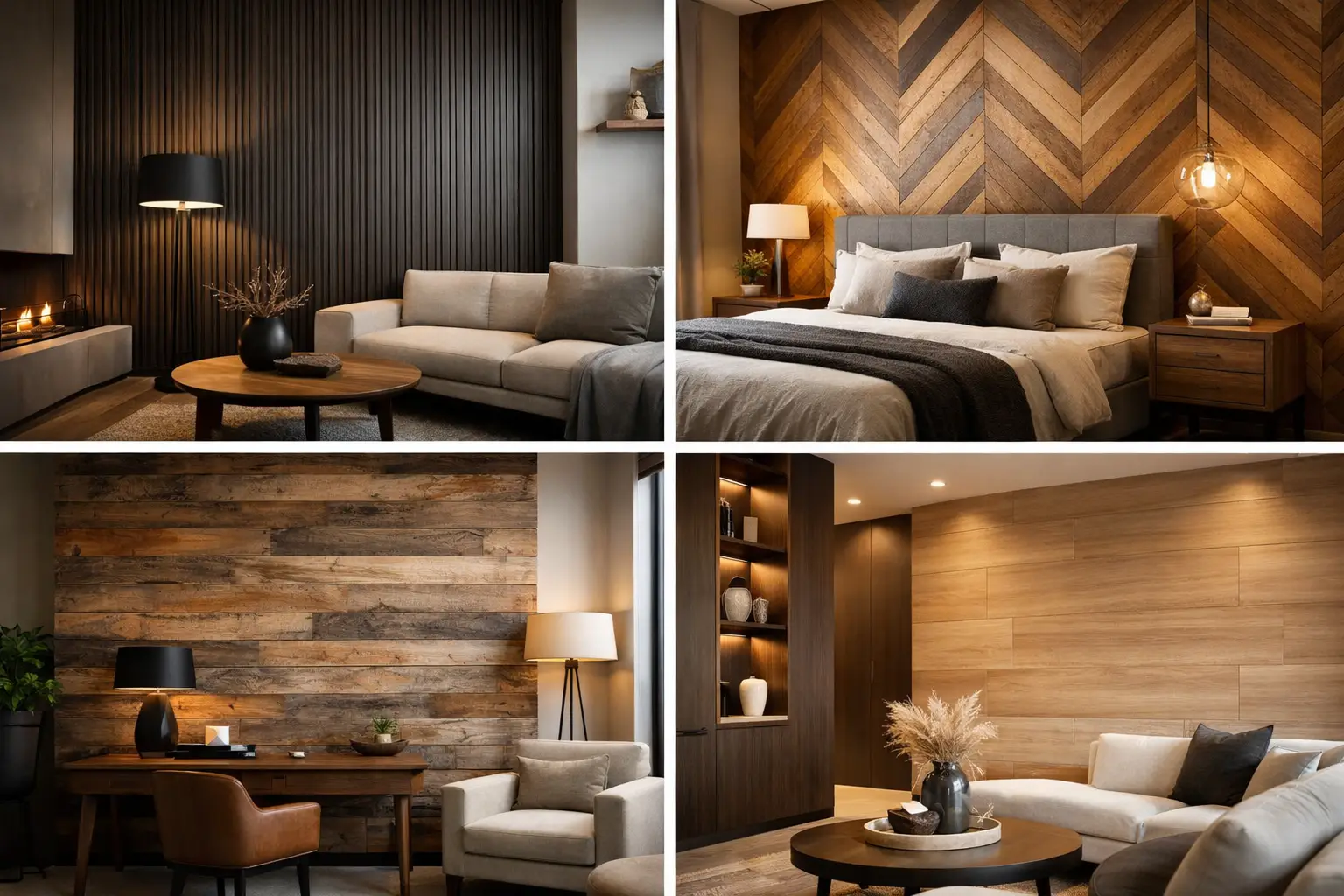
A blank wall can make an otherwise considered room feel unfinished. The right wood look wall cladding ideas do more than add visual warmth: they create depth, define zones, improve acoustic comfort, and give a project the quiet confidence of a professionally finished space. From a calm bedroom retreat to a hardworking restaurant interior, wood-inspired surfaces bring nature and modern performance together.
The most successful application starts with purpose. Consider what the wall needs to do as well as how it should look. Is it a focal point behind a bed, a sound-softening backdrop for meetings, or a durable exterior feature exposed to sun and rain? That answer will guide the panel profile, tone, orientation, and material choice.
Wood Look Wall Cladding Ideas That Shape a Space
1. Create a bedroom headboard wall with acoustic slats
A full-height slatted wall behind the bed is one of the most effective ways to make a bedroom feel intentional without overfilling it. Vertical acoustic slats draw the eye upward, making standard-height rooms appear more generous, while the dark backing between each slat introduces a refined shadow line.
Choose a warm oak-inspired finish for a relaxed, natural feel, or a deeper walnut tone for a more tailored, boutique-hotel effect. Extending the panel slightly beyond the width of the bed creates a framed composition, especially when paired with floating bedside tables and soft wall lighting. Acoustic slat panels also help reduce the hard echoes that can make minimalist bedrooms feel less restful.
2. Define an open-plan living area
Open-plan homes benefit from visual boundaries, even when no physical wall is needed. Use wood look cladding on the wall behind a dining table, media unit, or reading corner to give each area its own identity. It adds structure without interrupting light or flow.
For a living room, a slatted TV wall can conceal visual clutter and turn the entertainment area into an architectural feature. Keep the surrounding finishes restrained: matte cabinetry, textured upholstery, and a few considered decorative objects allow the timber-inspired surface to remain the focus. If the television will be wall-mounted, plan cable routes before installation for a clean result.
3. Add warmth to a minimalist entryway
An entryway sets expectations for the rest of the home. A narrow run of vertical cladding behind a bench, console, or coat hooks immediately makes this practical zone feel more welcoming. It is particularly effective in spaces dominated by tile, glass, and white walls.
Rather than covering every surface, use the cladding as a deliberate panel of texture. A lighter wood look keeps compact hallways bright, while a charcoal or walnut-inspired finish gives a larger entrance a more dramatic arrival moment. Add a simple round mirror and warm lighting, and the wall becomes functional as well as memorable.
4. Build a polished home office backdrop
Video calls have made the home office backdrop part of the design brief. Wood-inspired acoustic cladding provides a composed, professional background while supporting a more comfortable work environment. The slatted texture breaks up sound reflections, which can improve speech clarity in hard-surfaced rooms.
Install panels behind the desk rather than directly opposite it, where they will be visible on camera. Medium, natural wood tones tend to read well in daylight and work with both black metal and lighter contemporary furniture. This is also a practical solution for a multipurpose guest room where a conventional office fit-out would feel too permanent.
5. Turn a dining wall into a hospitality-style feature
Restaurants use timber texture because it makes a room feel warmer, more considered, and more comfortable to linger in. The same principle works at home. Cladding one dining wall, from baseboard to ceiling, can give everyday meals a sense of occasion without making the room feel formal.
Acoustic panels are especially valuable in dining areas with stone floors, large windows, and exposed ceilings. These finishes look beautiful but can amplify conversation and table noise. A sound-absorbing wall surface helps soften the room while preserving the clean-lined aesthetic many homeowners want.
6. Use V-groove cladding for a quieter, more tailored look
Slats bring pronounced linear rhythm. V-groove solutions offer a more subtle alternative, creating the impression of finely joined timber boards with a flatter profile. This makes them well suited to contemporary interiors where the goal is texture without a strong three-dimensional effect.
Consider V-groove cladding on a fireplace surround wall, in a refined powder room, or across built-in cabinetry. It can also be used on ceilings to bring a sense of continuity through an interior. The key is proportion: narrow grooves look crisp and architectural, while a larger panel scale can feel calmer in generous rooms.
7. Frame a fireplace without the upkeep of timber
A fireplace wall is naturally a focal point, which is why it deserves more than standard paint. Wood look cladding introduces visual warmth even when the fire is not lit, balancing the coolness of stone, porcelain, or a modern insert.
Material selection matters here. Confirm heat-clearance requirements for the specific fireplace and cladding system before installation. A timber-inspired finish can create the desired mood, but the area closest to the heat source must be designed according to the appliance manufacturer’s guidance. A surround that is both beautiful and properly planned will last far longer than a quick cosmetic treatment.
8. Extend the finish onto a ceiling
Ceiling cladding is a design choice with real impact. In a double-volume room, running slats or V-groove panels across part of the ceiling can make the scale feel more intimate and purposeful. In a covered patio, it adds a resort-like finish that connects indoor and outdoor living.
This approach works best when repeated thoughtfully. A ceiling treatment may align with a slatted feature wall, a kitchen island detail, or exterior screening, creating rhythm without making every surface match. Use it sparingly in smaller, low-ceiling spaces, where dark tones or strong lines overhead can feel heavy.
Wood Look Wall Cladding Ideas for Outdoor Living
9. Elevate a covered patio wall
Outdoor composite wood panels can transform a plain boundary or patio wall into a genuine extension of the home. Their wood-inspired appearance brings softness to masonry and complements paving, planting, and outdoor furniture, while their construction is designed for weather exposure and low-maintenance living.
A full feature wall behind an outdoor dining table creates a strong entertaining backdrop. Alternatively, use composite cladding around an outdoor kitchen or along a covered lounge wall. Choose a tone that relates to the home’s existing finishes rather than trying to match natural timber exactly. A considered contrast often looks more contemporary and less forced.
10. Give a poolside wall a resort finish
Pool areas are often visually hard: water, glass fencing, concrete, and bright sunlight can make the space feel stark. Composite wood look cladding introduces a warmer counterpoint and can turn a privacy wall into a feature worth looking at.
Look for a finish that complements the pool coping and surrounding landscape. Gray-brown tones sit comfortably with contemporary stone, while warmer timber shades can soften pale plaster and lush planting. As with any exterior surface, follow installation requirements for drainage, ventilation, and fixing methods. Good detailing protects the finish and keeps the result looking premium.
11. Use cladding to sharpen a commercial reception
In commercial spaces, the first wall clients see carries real weight. A wood look reception backdrop signals quality and care without relying on elaborate decoration. It works particularly well behind a logo, alongside integrated lighting, or as a contrast to stone-look counters and polished concrete floors.
For offices, acoustic slat panels offer an added advantage in reception areas and meeting rooms where speech clarity matters. For retail, hospitality, and wellness spaces, they help create an atmosphere that feels elevated but approachable. Inspiration Wood offers surface solutions designed to bring this balance of design, function, and installable practicality to both residential and commercial projects.
12. Finish edges and transitions with intention
Even beautiful panels can look incomplete if their edges are ignored. Trims, corner edges, end slats, and transition details are not minor extras – they are what make a cladding installation feel integrated into the architecture. Plan these components at the same time as the panels, not after the final board is cut.
This is especially important around windows, external corners, door frames, and changes between wall and ceiling. A neat finish also protects exposed panel edges and makes cleaning easier. Ask your installer to map out starting points, joins, and termination details before work begins, particularly on large walls or surfaces with outlets and light fittings.
Choosing the Right Direction, Tone, and Scale
Vertical lines make rooms feel taller and more formal. Horizontal cladding can make a wide wall feel broader and more relaxed. There is no universal rule: a low-ceilinged family room may benefit from vertical slats, while a long restaurant banquette wall could feel more balanced with horizontal boards.
Color should respond to light. Dark wood looks bring depth and drama, but they absorb light and tend to suit larger rooms or walls with strong artificial lighting. Pale oak-inspired finishes feel airy and versatile, while mid-tone woods often provide the easiest bridge between contemporary black accents, warm metals, stone, and neutral fabrics.
Before committing, view a sample in the actual space at different times of day. The same finish can appear distinctly warmer in late afternoon sun than under cool LED lighting. This simple step helps ensure the final wall feels like part of the room rather than an afterthought.
A well-chosen cladding surface does not need to compete for attention. Let it give the room texture, calm, and a clear sense of place – then allow the rest of the space to live beautifully around it.