

Blog
Top Materials for Outdoor Privacy That Last

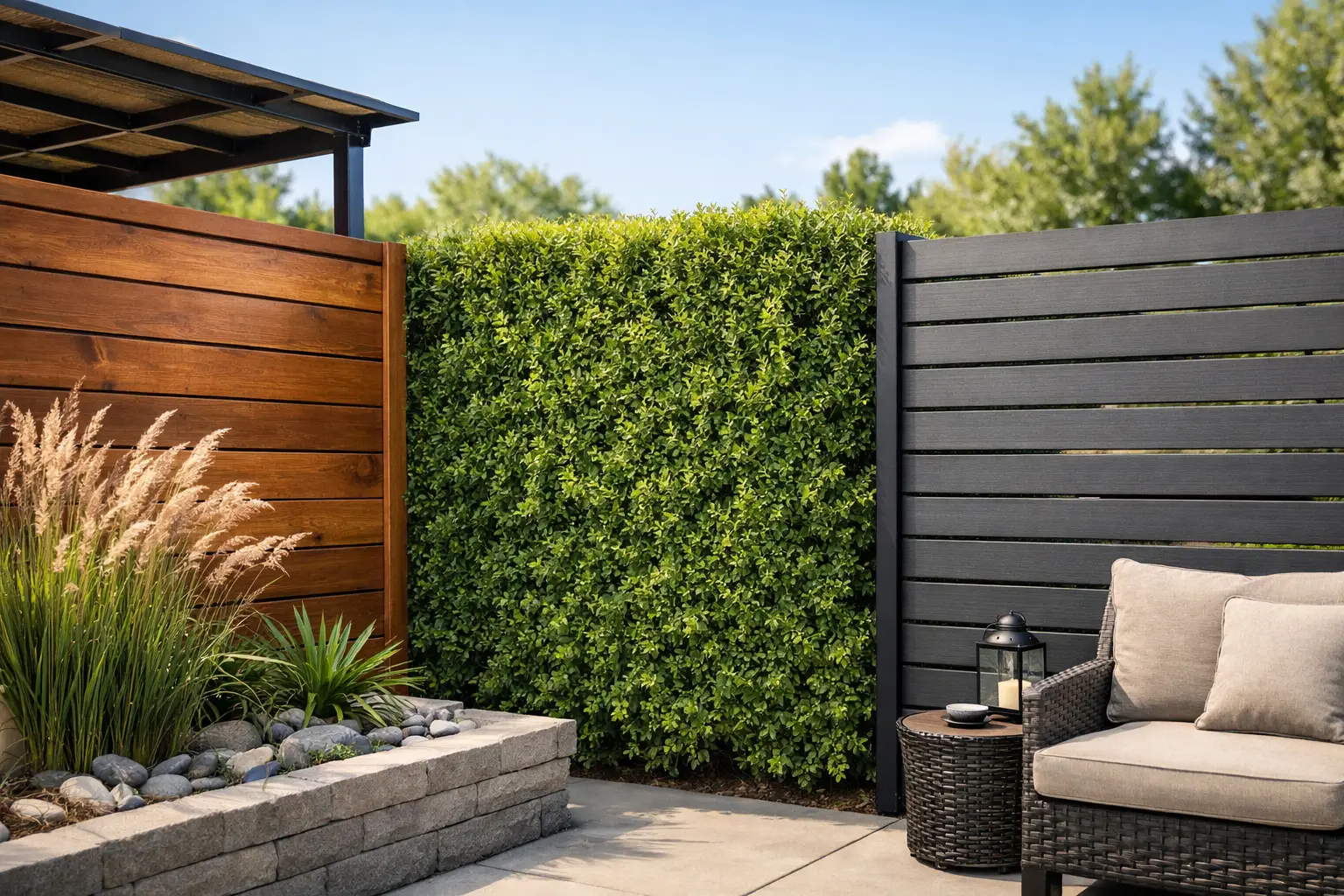
A private outdoor area should feel intentional, not closed in. Whether you are shaping a quiet poolside retreat, screening a patio from neighboring windows, or giving a hospitality terrace a more exclusive atmosphere, the top materials for outdoor privacy need to do more than block a view. They should complement the architecture, withstand the elements, and create a finish that still feels refined from inside the home.
The right choice depends on exposure, maintenance expectations, desired airflow, and how permanent you want the installation to be. A solid wall may offer complete screening, while a slatted panel can deliver a softer sense of separation with light and breeze still moving through the space. The most successful projects balance privacy with proportion, texture, and long-term practicality.
Start With the Kind of Privacy You Need
Before choosing a material, consider what you are screening and from where. A compact urban courtyard may need visual privacy at eye level, while a larger garden may only require a boundary treatment that defines the property without making it feel enclosed. Privacy around a spa or pool often calls for a taller, more considered solution, particularly where neighboring properties overlook the space.
Also look at the sun path and prevailing wind. Fully solid screens create a strong visual barrier, but can reduce airflow and cast deep shade. Slatted systems, perforated metal, and layered planting can offer meaningful privacy while keeping an outdoor room cooler and more open. For commercial terraces, restaurant seating, and hotel courtyards, this balance is especially valuable: guests feel sheltered without losing the atmosphere of the setting.
Top Materials for Outdoor Privacy, Compared
Composite wood panels
Outdoor composite panels are one of the most versatile choices for contemporary privacy screens. They bring the warmth and rhythm of wood-inspired design without the regular staining, sealing, and sanding associated with natural timber. Quality composite materials are designed to resist moisture, fading, warping, and insect damage, making them well suited to patios, boundary walls, balconies, and pool surrounds.
Their greatest design advantage is consistency. Clean slatted lines can make a narrow side yard feel more architectural, while deeper wood tones bring softness to stone, stucco, concrete, and metal finishes. Panels can be installed vertically for height and drama, or horizontally to visually widen a smaller space. At Inspiration Wood, outdoor composite wood panels allow this tailored look while supporting a lower-maintenance approach to exterior living.
Composite is not always the lowest-cost option upfront, but its durability and reduced upkeep often make it a stronger long-term investment than untreated timber. Choose a system with purpose-made trims, corner edges, and finishing components. These details determine whether the result looks like a considered architectural surface or a basic screen.
Natural timber
Natural timber remains a beautiful option for homeowners who value authentic grain, tonal variation, and a material that changes gracefully over time. Cedar, redwood, hardwoods, and pressure-treated lumber can all create attractive fences and screens when selected for the climate and installed correctly.
The trade-off is maintenance. Sun, rain, humidity, and temperature shifts can lead to fading, checking, movement, or rot if the wood is not protected. Timber needs thoughtful sealing or staining on an ongoing basis, and fasteners should be specified carefully to avoid staining or corrosion. It is an excellent choice for a rustic garden, a heritage-style home, or a project where natural weathering is part of the intended character. It is less ideal for owners seeking a polished finish with minimal intervention.
Aluminum and powder-coated metal
Aluminum privacy screens offer crisp lines, long-term durability, and a distinctly modern profile. Powder-coated finishes are available in sophisticated neutral colors, while laser-cut patterns can add shadow, texture, and visual interest. Aluminum does not rust, making it particularly attractive for wet areas and coastal environments.
Metal screens are often best when the design calls for precision. They can frame a terrace, conceal utility areas, or introduce a sculptural feature against planting. However, a large expanse of solid metal may feel cool or industrial beside a warm residential exterior. Pairing metal with timber-look composite, masonry, or greenery often produces a more welcoming result.
Masonry, stone, and rendered walls
For complete privacy and a permanent sense of enclosure, masonry remains hard to surpass. Brick, stone, concrete block, and rendered walls provide security, noise reduction, and excellent wind protection. They also create a substantial backdrop for outdoor kitchens, fireplaces, water features, and statement planting.
The limitation is visual weight. A tall blank wall can overpower a smaller yard or make a patio feel boxed in. The solution is often to combine masonry with another material: a lower rendered wall topped with slatted composite panels, for example, or a stone boundary softened by climbing plants and layered lighting. This approach preserves privacy while introducing depth and warmth.
Masonry projects also require more planning, foundations, and labor than modular panel systems. Where speed of installation and a lighter visual footprint matter, a slatted screen may be the more practical alternative.
Living screens and hedging
Plants offer a softer, more natural form of privacy. Evergreen hedges, bamboo, ornamental grasses, trellised vines, and tall planters can obscure views while improving the feel of an outdoor space. A living screen is particularly effective where a hard fence would feel too severe or where the goal is to create a lush garden escape.
Plants do require patience and care. Growth rates vary, watering needs change with the seasons, and dense greenery needs pruning to remain healthy and controlled. Roots, leaf drop, and irrigation should be considered before planting against walls or close to paving. For immediate screening, combine established planting with a fixed panel or fence behind it. The structure delivers privacy from day one, while the planting adds softness as it matures.
Woven and reed screening
Reed, willow, bamboo rolls, and woven screens can provide an affordable, informal solution for temporary privacy. They work well on balconies, rental properties, or casual garden zones where a relaxed look is appropriate. Their texture can be charming, especially when paired with natural planting and outdoor textiles.
Their lifespan is typically shorter than composite, metal, or masonry. Wind, moisture, and direct sun can cause woven materials to fade, split, or loosen. Use them where flexibility matters more than permanence, rather than as the main privacy solution for a high-value exterior renovation.
Design Details That Make a Privacy Screen Feel Premium
Material is only half the decision. Spacing, orientation, finishing, and lighting shape the final effect. Closely spaced slats create a more secluded setting, while wider gaps preserve sightlines and airflow. Vertical slats emphasize height and suit tall, narrow spaces; horizontal lines can make a courtyard or deck feel broader and calmer.
Think about what the screen will face from indoors as well. A privacy wall seen through a living room or kitchen window becomes part of the daily view, so its color and texture should relate to interior finishes. Warm wood-inspired tones can bridge interior and exterior spaces beautifully, especially alongside black window frames, neutral stone, or contemporary plaster walls.
Lighting deserves early consideration. Soft uplighting can turn slatted panels into an evening feature, while integrated wall lights improve safety near steps and walkways. Avoid placing bright fixtures directly behind an open slat screen if privacy after dark is a priority. Interior light can make silhouettes more visible from outside.
Plan for Installation and Long-Term Care
A privacy screen is only as durable as its support structure. Posts, framing, drainage, expansion allowances, and fasteners all need to suit the material and local weather conditions. Outdoor panels should not sit directly on soil or standing water, and any cut edges or exposed structural components should be finished according to the manufacturer’s installation guidance.
For a large screen, a pool enclosure, or a boundary installation, professional measurement is worthwhile. It helps account for uneven ground, existing walls, wind exposure, and required clearances. Designers and contractors should also confirm local property-line, height, and permit requirements before construction begins.
Choose a material that supports the way you want to live outside. A low-maintenance composite screen can bring calm, warmth, and privacy to a modern patio for years, while planting, masonry, or metal can be introduced where their particular strengths serve the space best. When every finish is selected with the view, light, and daily use in mind, privacy becomes more than a boundary – it becomes part of the experience of being home.