

Blog
How to Upgrade a Covered Patio With Style

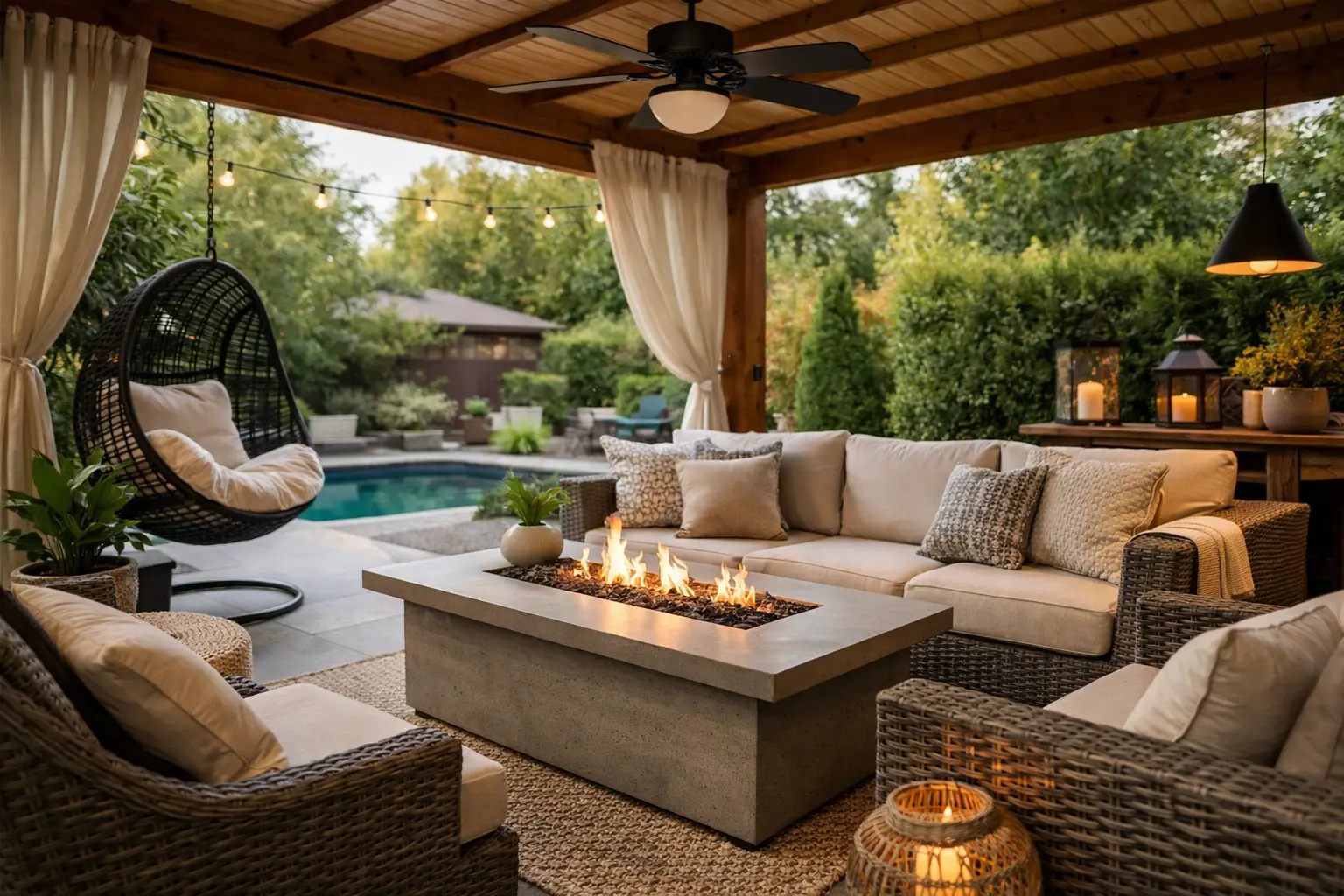
A covered patio should feel like a true extension of the home, not a sheltered corner furnished with whatever was left over after the indoor rooms were complete. If you are considering how to upgrade a covered patio, begin with one question: what should this space make possible? Long lunches, quiet morning coffee, family dinners, poolside entertaining, or a more polished welcome to the garden all call for different design decisions.
The most successful upgrades balance atmosphere with performance. Under a roofline, you have the opportunity to introduce richer finishes, lighting, texture, and furniture than an exposed patio may allow. But the space still has to handle humidity, wind-blown rain, sun at the edges, dust, and daily use. The goal is an outdoor room that feels intentional, comfortable, and easy to maintain.
Start With the Architecture You Already Have
Before choosing furniture or accessories, look closely at the patio’s structure. The ceiling height, column placement, roof material, floor condition, and connection to the house will guide the entire upgrade. A low roof may benefit from a lighter ceiling finish and low-profile furnishings, while a high vaulted cover can carry darker tones, a statement fan, or a more substantial pendant light.
Pay attention to the view from indoors as well. Large glass doors often make a covered patio visually part of the living area, even when the doors are closed. Repeating one or two interior materials or colors outdoors creates a more considered transition. This does not mean matching everything. It means choosing a shared thread, such as warm timber-inspired texture, matte black details, or soft neutral upholstery.
If the concrete slab is cracked, uneven, or permanently stained, address it early. A beautiful seating arrangement cannot compensate for a floor that makes the space feel neglected. Depending on the condition and budget, refinishing concrete, laying outdoor tile, or installing a properly specified deck surface can establish a stronger foundation for the rest of the design.
Define How the Patio Will Be Used
A covered patio can serve several purposes, but it needs a primary role. Trying to fit a full dining room, outdoor kitchen, oversized lounge, children’s play zone, and storage area into one modest footprint usually creates clutter rather than luxury.
For dining, prioritize a table with sufficient clearance around it, practical task lighting, and a surface that can handle spills and frequent cleaning. For lounging, the essentials are deeper seating, side tables within reach, layered lighting, and a rug that visually grounds the arrangement. If entertaining is the focus, consider a flexible layout with occasional chairs or stools that can move easily when guests arrive.
In larger spaces, create zones rather than lining furniture around the perimeter. A dining area closest to the home and a softer conversation setting toward the garden often feels natural. Use an outdoor rug, a change in lighting, or a feature wall to distinguish one area from the next without interrupting the open flow.
Upgrade the Ceiling and Walls First
Furniture is easy to replace. Architectural surfaces set the standard for the whole patio. A dated ceiling, bare masonry, or weathered wall can make even premium furnishings look temporary.
A ceiling finish is particularly powerful because it is visible from almost every angle. A warm, wood-inspired surface can bring depth to a plain roof structure and make the patio feel more intimate after sunset. In a covered outdoor setting, choose materials designed for exterior conditions and follow the manufacturer’s installation guidance for ventilation, fasteners, expansion, and drainage. A product that performs beautifully indoors is not automatically suitable outside.
An exterior composite wall panel can also turn a blank boundary wall into a refined focal point. Use it behind a dining table, along an outdoor kitchen, or on the wall viewed from the home’s main living area. The appeal is more than decorative: composite surfaces can offer the natural character of wood without the regular sanding, sealing, and repainting associated with traditional timber.
Keep the palette disciplined. One feature surface is often enough in a smaller patio. If you are adding wood-inspired panels to both the ceiling and wall, vary the direction, tone, or scale so the result feels layered rather than overly uniform. Coordinated trims, corner edges, and clean end details matter here. They give the installation the tailored finish that separates an architectural upgrade from a cosmetic refresh.
Add Lighting in Layers, Not Just One Fixture
A single bright ceiling light makes a patio usable, but it rarely makes it inviting. Layered lighting brings warmth, improves safety, and allows the mood to change from weekday dinner to evening gathering.
Start with general lighting, such as recessed fixtures or a ceiling-mounted fitting that provides broad illumination. Add task lighting where people cook, serve, or dine. Then introduce ambient lighting through wall lights, table lamps rated for outdoor use, concealed LED strips, or soft garden lighting beyond the patio edge.
Warm white light usually suits timber tones, stone, textured upholstery, and greenery better than a cool blue-white glow. Install dimmers where possible. They allow the space to feel bright and practical when needed, then calmer and more residential later in the evening.
Do not overlook circulation. Steps, changes in level, and paths to the garden or pool should be softly lit for safe movement. Good lighting should reveal the patio’s best features without creating glare on glass doors or harsh shadows across the table.
Choose Comfortable, Weather-Ready Furnishings
Outdoor furniture should feel generous enough for the way people actually relax. A slim bench may photograph well, but it will not encourage guests to stay for dessert. Look for supportive cushions, durable frames, and fabrics made to resist fading and moisture.
Comfort also depends on scale. A compact patio may need a two-seat sofa and a pair of occasional chairs instead of a sectional that consumes the entire room. On a larger patio, a sectional can work beautifully when balanced with a central coffee table and enough open space for movement.
Use textiles to soften hard surfaces. An outdoor rug, textured cushions, and a throw for cooler evenings make the space feel more personal. Limit the number of colors, then vary texture instead. For example, sand-toned cushions, charcoal planters, and a warm oak-inspired wall surface create a calm, elevated composition without looking overly styled.
Manage Sun, Rain, and Privacy Thoughtfully
A roof offers valuable shelter, but it does not solve every weather concern. Afternoon sun can still reach the patio from the side, and wind-driven rain may affect furniture near the edges. Consider retractable shade screens, exterior curtains, louvered side panels, or planting that filters light without closing off the garden.
Privacy should feel considered rather than defensive. A carefully positioned screen or panel system can hide a neighboring boundary while retaining airflow and natural light. Tall planters with structured greenery can achieve a softer effect, although living screens need irrigation and regular care.
If your patio faces a pool, lawn, or open landscape, avoid blocking the view with too many solid elements. In that setting, privacy may be better created at one side of the patio, leaving the main sightline open and framed.
Bring in Greenery With a Purpose
Plants make hard architectural finishes feel more settled in the landscape. Rather than scattering small pots everywhere, choose a few substantial planters and repeat a restrained selection of foliage. Large-leaf plants, ornamental grasses, herbs near an outdoor dining area, or sculptural small trees can all work, depending on local climate and light.
Planters should complement the patio’s materials. Matte black, sand, charcoal, and stone-look finishes tend to pair naturally with wood-inspired panels and contemporary outdoor furniture. Make sure planters have drainage and are positioned so watering does not stain the floor or splash against wall finishes.
Finish With Details That Make It Feel Complete
The final layer is where the patio becomes distinctly yours. A statement ceiling fan can improve comfort in warmer weather. A bar cart, serving console, or built-in storage bench can make hosting easier. Outdoor speakers may enhance the atmosphere, but they should be discreet and positioned for even sound rather than maximum volume.
For homeowners and design professionals seeking a polished material solution, Inspiration Wood’s outdoor composite panels and finishing accessories can help create a wood-inspired patio surface with a premium, low-maintenance character. The key is to specify the finish where it will have the strongest visual impact, then let the furniture, lighting, and planting support it.
A covered patio earns its place when it draws people outside without asking them to compromise on comfort. Choose materials that can live well with the weather, create a layout that suits real routines, and give the space enough warmth that it remains appealing long after the sun has gone down.