

Blog
Do Composite Wall Panels Fade Over Time?

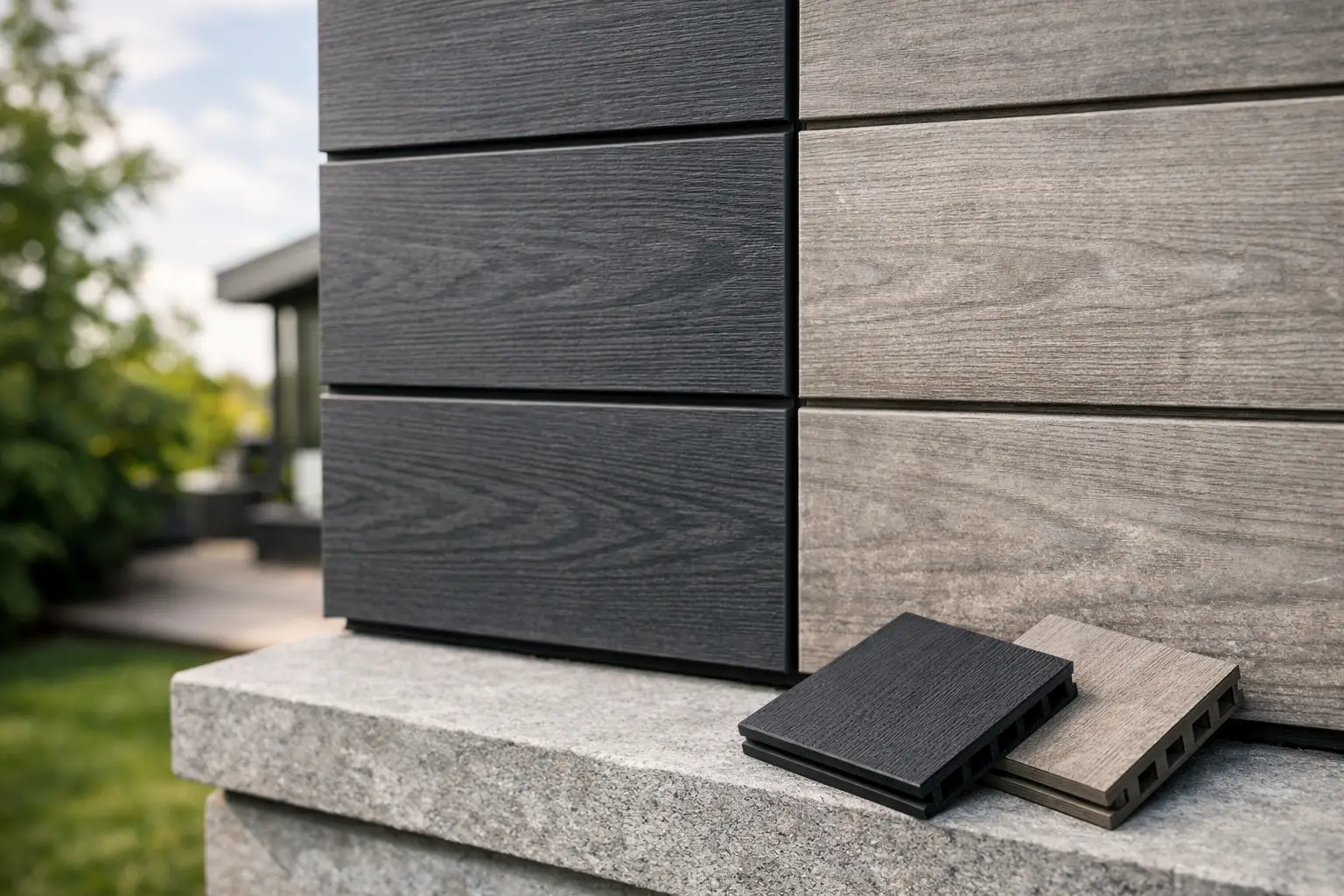
A wall finish can look flawless on installation day and still disappoint a year later if the color starts to wash out under sun, rain, and daily exposure. That is why one of the most common questions buyers ask is simple: do composite wall panels fade? The honest answer is yes, they can change over time, but quality composite panels are designed to do so far more slowly and far more evenly than many traditional exterior materials.
For homeowners, designers, and commercial specifiers, the real question is not whether any change will happen at all. It is how noticeable that change will be, what causes it, and whether the material will still look premium after years of use. In most cases, a well-made composite wall panel keeps its visual depth and wood-inspired character exceptionally well, especially when compared with painted timber or lower-grade cladding products.
Do Composite Wall Panels Fade in the Sun?
Sun exposure is the biggest reason people ask, do composite wall panels fade in the first place. Ultraviolet light affects almost every exterior finish to some degree. Natural timber silvers, paint chalks, and some plastics become brittle or uneven in color. Composite panels are engineered to resist that kind of deterioration far better, but they are not completely immune to environmental aging.
Most composite wall panels are made from a blend of wood fibers and recycled plastic, often with stabilizers, pigments, and protective additives built into the board. That composition helps the color run through the material more consistently than a surface-only coating. As a result, fading tends to be gradual rather than dramatic.
This matters in design-led spaces where the finish must still feel considered years after installation. A premium composite panel should not suddenly look bleached or patchy after one hot season. Instead, if any lightening occurs, it is usually subtle and often settles after the early weathering period.
What Fading Actually Looks Like
When people imagine fading, they often picture a panel losing all richness and turning flat or gray. That can happen with poor-quality products, but it is not the typical outcome with better composite systems. More often, the shift is a slight softening of the original tone, particularly on elevations that receive strong direct sun for long parts of the day.
Darker finishes generally show this change more readily than lighter ones. Charcoal, walnut, deep teak, and other rich tones absorb more heat and can make minor lightening easier to spot. Lighter shades, by contrast, often disguise gradual color movement more effectively.
It is also worth knowing that many composite products go through an initial weathering phase. During the first few months, the surface may adjust slightly as it is exposed to UV, rain, and airborne dust. After that, the color usually stabilizes. This early shift is not the same as ongoing rapid fading. It is more like the material settling into its long-term outdoor appearance.
Why Some Composite Panels Fade More Than Others
Not all composite wall panels perform equally. Two products may look similar online and deliver very different results once installed outdoors. The difference often comes down to formulation, manufacturing quality, and whether the panel includes proper UV protection.
Lower-cost panels may use less stable pigments, fewer UV inhibitors, or inconsistent production methods. That can lead to uneven fading, surface dullness, or a finish that loses its depth faster than expected. In a residential setting, that may affect curb appeal. In a hospitality or commercial project, it can dilute the polished, high-end look the space was meant to achieve.
Higher-quality composite panels are usually designed with outdoor performance in mind from the start. Better caps, denser construction, and more stable pigmentation all contribute to stronger color retention. That is why specification matters. The visual result after three or five years often reflects the quality decision made at the very beginning.
Climate, Orientation, and Everyday Exposure
Fading is never just about the panel itself. The environment plays a major role. Strong sun, reflected heat, coastal conditions, pollution, and frequent moisture all shape how any exterior material ages.
A south- or west-facing wall with intense afternoon sun will typically experience more visible weathering than a shaded courtyard elevation. Panels installed around pools, rooftops, or open entertaining areas may also face harsher exposure because of reflected light and heat. In coastal regions, salt and wind-driven particles can add another layer of wear to the surface over time.
This does not mean composite is the wrong choice for demanding conditions. Quite the opposite. It means expectations should be grounded in real-life performance rather than the idea that any exterior finish remains frozen in its original showroom state forever.
How Composite Compares With Real Wood
For many buyers, the real comparison is not between one synthetic product and another. It is between composite and timber. And in that comparison, composite usually offers a clear advantage when it comes to color stability.
Natural wood is beautiful, but it is reactive. Sunlight, moisture, and temperature changes can alter its tone quickly. Without regular oiling, staining, or sealing, many timber finishes fade, dry out, or weather unevenly. Keeping wood looking consistent takes ongoing effort and recurring cost.
Composite wall panels are appealing because they deliver a refined wood-look finish with far less upkeep. They are created for clients who want warmth, texture, and architectural presence without signing up for constant maintenance. If preserving a polished appearance with minimal intervention is part of the brief, composite is often the more practical answer.
Can You Prevent Composite Wall Panels From Fading?
You cannot prevent all weathering, because exterior materials live in the real world. You can, however, reduce the risk of noticeable fading by making smart choices before and after installation.
The first is selecting a premium panel designed specifically for exterior use. UV resistance should be part of the product engineering, not an afterthought. The second is choosing a color that suits the site conditions. Very dark tones can look striking, especially in contemporary architecture, but they may show environmental change sooner on intensely sunny facades.
Installation also matters. When panels are fitted correctly, with the right trims and spacing, they perform better over time. Poor installation can create water traps, uneven exposure, or visual inconsistencies that make aging more obvious than it should be.
Maintenance is straightforward but still worthwhile. Regular gentle cleaning removes dirt, pollutants, and surface buildup that can make panels appear dull. That does not stop UV exposure, but it does help the finish look cleaner and more even. Harsh chemicals and abrasive cleaning methods should be avoided, as they can damage the surface and accelerate cosmetic wear.
What to Ask Before You Buy
If long-term appearance is a priority, ask specific questions rather than relying on broad claims like fade-resistant. Find out whether the panel is capped or uncapped, whether it has UV stabilizers, and whether the manufacturer can explain expected color change over time. A quality supplier should be comfortable discussing realistic performance instead of promising a completely unchanged finish forever.
It is also sensible to view the panel as part of a whole design strategy. Look at where it will be installed, how much direct sun it will receive, and what surrounding materials might amplify heat or reflection. In premium projects, these details shape not just durability but the lasting elegance of the finished space.
For clients who want a sophisticated wood-inspired look without the maintenance cycle of traditional timber, products selected with care can strike that balance beautifully. At Inspiration Wood, that balance between luxury and practical performance sits at the heart of how modern surfaces should work.
So, Do Composite Wall Panels Fade Enough to Worry About?
In most well-specified projects, no. Composite wall panels may experience some natural color softening, especially in the early months and especially under strong sun, but quality panels are built to keep that change controlled, gradual, and visually acceptable. They do not typically fail in the dramatic way people fear.
The better question is whether the material will continue to look refined, current, and well-finished as the years pass. With a premium product, proper installation, and realistic expectations, the answer is very often yes. That is what makes composite such an attractive choice for modern exteriors and design-conscious spaces.
A beautiful surface is not one that never changes at all. It is one that keeps its character, even as life happens around it.