

Blog
7 Best Panels for Reception Walls

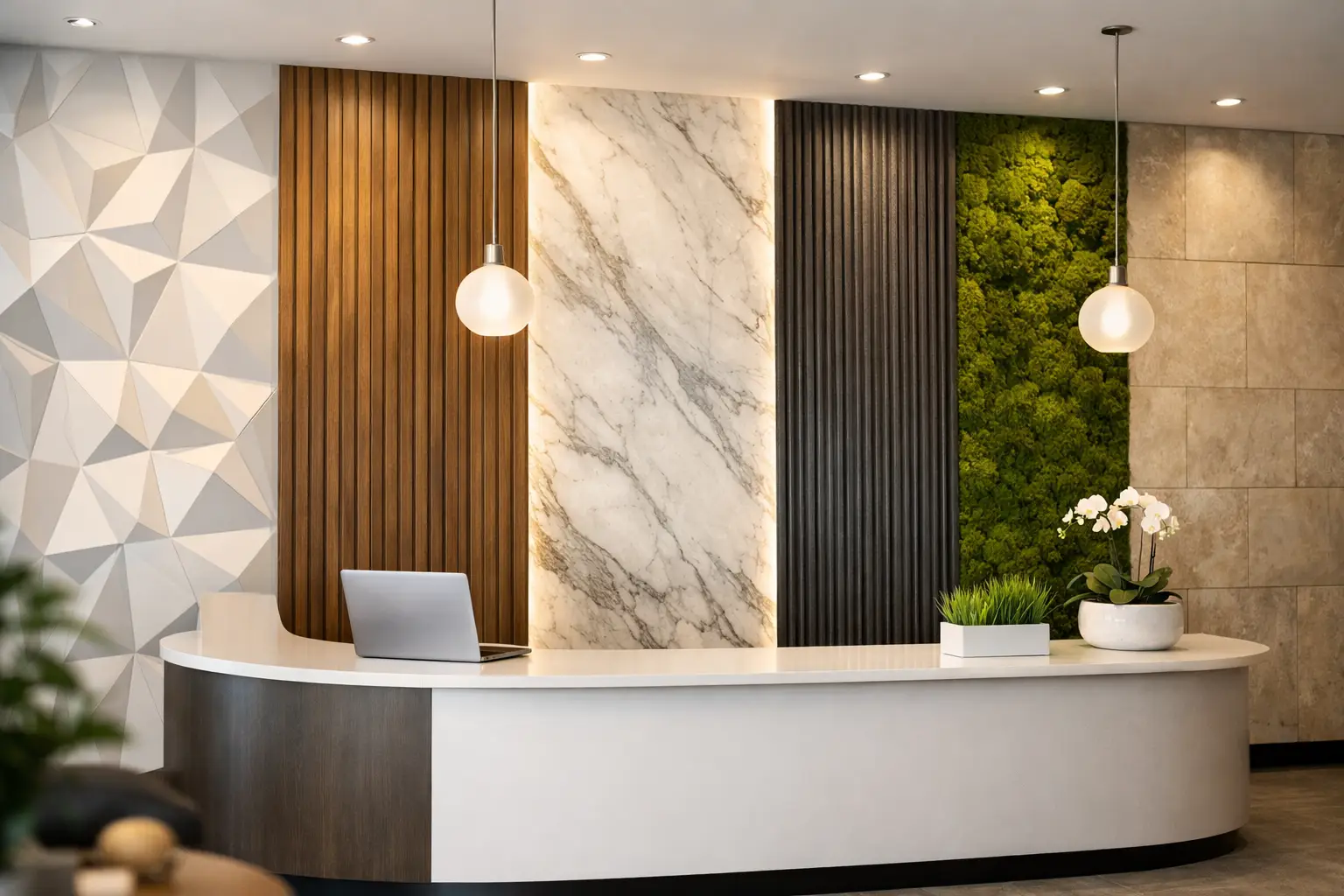
The moment someone steps into your space, the reception wall starts speaking before anyone at the desk does. It signals whether the brand feels polished, forgettable, calm, premium, creative, or dated. That is why choosing the best panels for reception walls is less about decoration alone and more about shaping first impressions with purpose.
In offices, hotels, clinics, showrooms, and residential entry spaces, the right wall panel has to do more than look good under lighting. It needs to suit traffic levels, support the mood of the interior, and in many cases help with acoustics, maintenance, and installation speed. A beautiful finish that scratches easily or looks flat from a distance will not hold up in a hardworking front-of-house environment.
What makes the best panels for reception walls?
A strong reception wall panel usually gets four things right. It brings visual depth, it feels appropriate to the brand, it performs well in daily use, and it stays refined without demanding constant upkeep.
That balance matters because reception areas are often exposed to harsh lighting, fingerprints, luggage scuffs, movable furniture, and repeated close-up viewing. Materials that appear impressive in a showroom sample can feel underwhelming once installed across a full wall. Texture, shadow lines, and finish consistency become far more important at scale.
The best choice also depends on the kind of welcome you want to create. A legal office may benefit from warmer, quieter finishes that feel composed and credible. A hospitality venue might want a stronger visual statement with richer texture and a more immersive atmosphere. A residential entrance often needs something elegant enough to elevate the home while still feeling easy to live with.
1. Acoustic slat wood panels for warmth and presence
If there is one panel type that consistently works in modern reception spaces, it is acoustic slat wood paneling. This style brings rhythm, vertical definition, and a wood-inspired finish that feels architectural rather than purely decorative.
The reason it performs so well is simple. It adds texture without visual clutter. The spacing between slats creates shadow and dimension, which helps a reception wall feel intentional even when the rest of the space is relatively minimal. In a neutral interior, it introduces warmth. In a premium commercial setting, it gives the wall a built-in, tailored quality.
There is also a practical advantage. Acoustic slat panels can help soften echo and improve speech clarity in reception areas where hard floors, glass partitions, and open ceilings often create harsh sound reflection. That makes the front desk feel calmer and more composed, especially in waiting zones or shared office entrances.
This option is particularly strong for design-led offices, hospitality spaces, meeting suite entrances, and upscale homes. It is not the lowest-cost wall finish, but it often gives the most complete result because it blends aesthetics with performance.
2. Wood-look composite panels for durability
Where reception walls need a wood-inspired finish with less sensitivity to wear, wood-look composite panels are a smart choice. They deliver a similar natural effect but are often better suited to spaces where durability and low maintenance carry more weight.
This matters in busy commercial environments. Think gyms, mixed-use buildings, restaurants, retail entrances, or high-traffic corridors leading into a reception zone. In these settings, surfaces need to look polished without becoming a maintenance project.
Composite panels work best when you want a clean, premium look that still feels practical. They may not always have the same acoustic benefit as a dedicated acoustic slat system, so if sound control is a priority, that trade-off should be considered early.
3. Stone-look panels for a luxury statement
Some reception spaces need more drama. Stone-look panels answer that need with scale, visual weight, and a sense of permanence that instantly elevates a room.
Used well, they create a high-end backdrop for signage, lighting, and reception desks. They are especially effective in hospitality, property developments, premium offices, and wellness spaces where the brand needs to feel established and quietly impressive.
The caution is that stone-look finishes can feel cold if the rest of the interior lacks warmth. They usually perform best when balanced with timber tones, soft furnishings, brushed metals, or layered lighting. A full stone-effect wall can be striking, but in some interiors a partial installation or feature section is the more refined choice.
4. Fabric-wrapped acoustic panels for soft, quiet luxury
If your reception area suffers from echo, noise spill, or poor speech intelligibility, fabric-wrapped acoustic panels deserve serious attention. They do not create the same linear architectural look as slat panels, but they offer excellent sound absorption and a softer visual character.
This can be ideal for clinics, wellness spaces, meeting lounges, executive offices, and any environment where calm matters as much as style. Fabric finishes also open up opportunities for tonal layering, whether you want warm neutrals, charcoal sophistication, or a more brand-led color story.
The trade-off is maintenance. Fabric surfaces need more careful specification in areas prone to marks or heavy contact. They are best used where the environment is controlled and the design brief leans toward quiet refinement rather than hard-wearing toughness.
5. V-groove panels for subtle architectural detail
V-groove paneling is a quieter choice, but that is often exactly its strength. Instead of dominating the room, it introduces clean lines and understated structure. This makes it a useful option when the reception wall needs to support a logo, feature desk, or decorative lighting rather than compete with it.
V-groove panels suit residential entrances, boutique commercial spaces, and reception areas with a softer design language. They can also work well in narrower spaces where bold slats or heavy textures might make the wall feel too busy.
For brands that want sophistication without theatrics, this approach can look exceptionally polished. It is a reminder that the best panels for reception walls are not always the most dramatic ones. Sometimes restraint creates the stronger impression.
6. Large-format laminate panels for clean modern branding
Large-format laminate panels are often chosen for their uniformity. They create a sleek, uninterrupted surface that works well in contemporary corporate interiors, medical environments, and branded commercial spaces where sharp detailing matters.
They are easy to pair with integrated signage and can handle a wide range of tones and finishes, from matte neutrals to woodgrains and stone effects. Their main appeal is consistency. If you want a reception wall that feels crisp and controlled, laminate can deliver that with minimal visual noise.
Still, they can feel flatter than slatted or deeply textured systems. If the reception area lacks strong lighting, ceiling features, or furniture contrast, the result may feel more functional than memorable.
7. Mixed-material panel layouts for a custom finish
In higher-end spaces, the most effective reception wall is sometimes not one panel type but a considered combination. Slat wood against stone-look sections, acoustic felt paired with timber trims, or V-groove detailing framed by smooth panels can create a more bespoke result.
This approach works particularly well when the wall needs to express a brand story. A hospitality group may want warmth and acoustic comfort. A creative studio may want contrast and sculptural texture. A residential developer may want natural tones that feel premium but broadly appealing.
The key is discipline. Mixing materials only succeeds when there is a clear hierarchy. Too many textures or finishes can make the wall feel busy, especially behind a reception desk where branding and human interaction should remain the focus.
How to choose the right panel for your reception wall
The smartest starting point is not color. It is performance. Ask what the wall needs to do every day. Should it absorb sound, survive constant contact, create visual impact from a distance, or deliver a premium feel with minimal upkeep?
Then look at the architecture around it. Ceiling height, natural light, flooring, and desk design all affect how paneling will read in the finished space. Vertical slats can make low spaces feel taller. Soft acoustic finishes can counterbalance glass-heavy interiors. Rich wood tones can warm up colder commercial palettes.
Brand alignment matters too. Reception walls are often asked to communicate values without words. Natural wood-inspired finishes suggest warmth, quality, and contemporary calm. Stone-like textures can suggest authority and permanence. Smooth, minimal surfaces often read as efficient and modern.
Installation should not be an afterthought. Some panel systems create a cleaner, faster path to a finished wall, especially when trims, corner details, and end solutions are considered from the start. That is often where premium systems justify themselves. The result looks more resolved, and the process tends to be more predictable for contractors and designers alike.
For many commercial and residential projects, acoustic slat wood panels remain the standout option because they solve several needs at once. They elevate the space, improve atmosphere, and deliver a strong design statement without feeling trend-driven. For clients who want that balance of luxury and usability, they are often the most complete answer.
A reception wall should never feel like filler. It is one of the few surfaces everyone notices, and one of the first places a design decision proves its value. Choose a panel that does more than cover the wall, and the entire entrance begins to feel considered, confident, and ready to welcome people well.