

Blog
Outdoor Privacy Panels That Elevate Design

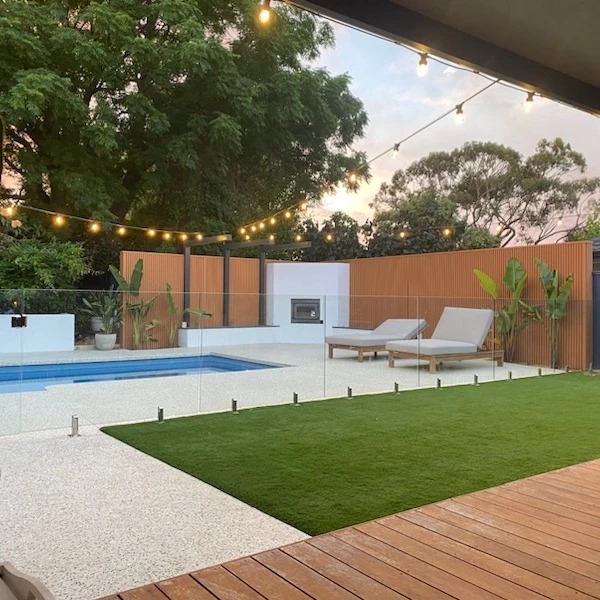
A beautiful outdoor space can lose its impact the moment it feels exposed. The right outdoor privacy panels do more than block a view from the next property over – they shape atmosphere, define boundaries, and make a patio, garden, balcony, or commercial terrace feel intentionally designed.
That difference matters. Privacy is rarely just about seclusion. It is about comfort. It is about creating an outdoor setting where people want to sit longer, entertain more often, or simply enjoy a quieter visual backdrop. For homeowners, that may mean turning a poolside area into a private retreat. For hospitality venues and commercial projects, it can mean creating a polished, premium edge that feels considered from every angle.
Why outdoor privacy panels work so well
There is a reason designers increasingly use outdoor privacy panels instead of treating privacy as an afterthought. A panel introduces rhythm, texture, and architectural structure at the same time. It can soften harsh boundaries, screen unattractive service areas, and add a refined vertical element to spaces that otherwise feel flat.
Unlike basic fencing, privacy panels can be more selective in how they perform. Some are meant to fully screen. Others allow filtered light and airflow while reducing direct sightlines. That balance is often what makes a space feel sophisticated rather than closed off.
This is especially useful in modern residential design, where outdoor areas are expected to work harder. A backyard may need to function as a lounge, dining area, and visual extension of the interior. A balcony may need privacy without feeling boxed in. A restaurant terrace may need separation between tables while still feeling open and inviting.
What to look for in outdoor privacy panels
The best panel is rarely the one with the most dramatic appearance on its own. It is the one that suits the demands of the space and still looks exceptional after months of weather exposure.
Material matters more than most people expect
Traditional timber has warmth and character, but it also comes with ongoing maintenance. In outdoor settings, that usually means sealing, staining, repainting, or replacing sections over time. For some projects, that upkeep is part of the appeal. For many others, it becomes a long-term inconvenience.
Composite outdoor panels offer a more practical route for design-conscious spaces. They capture the visual appeal of wood-inspired finishes while offering stronger resistance to moisture, sun exposure, and general wear. For clients who want premium results without the maintenance cycle associated with natural timber, this can be a far more intelligent specification.
Privacy level should match the setting
Not every space needs full visual blocking. Around a patio or hot tub, higher coverage may be ideal. Around a garden seating zone, partial screening may feel lighter and more elegant. In hospitality settings, privacy often works best when it creates a sense of enclosure without cutting off openness completely.
This is where slatted and linear styles are especially effective. They provide definition and discretion while still allowing light and air to move through the space.
Weather resistance is non-negotiable
Outdoor surfaces have to cope with more than occasional rain. UV exposure, heat variation, humidity, dust, and regular cleaning all affect long-term appearance. A panel that looks impressive at installation but fades, warps, or becomes difficult to maintain will quickly undermine the overall design.
Durability should be seen as part of the aesthetic value. A premium outdoor space should continue to look composed and intentional, not tired after one season.
Design choices that change the feel of a space
Outdoor privacy panels can be subtle or dramatic depending on how they are used. The finish, spacing, orientation, and placement all influence the final result.
Vertical lines create height and refinement
Vertical panel layouts tend to feel architectural and clean. They draw the eye upward and can make smaller courtyards, patios, and side yards feel taller and more ordered. This is often the right direction for contemporary homes and commercial settings where a crisp, elevated finish is the goal.
Wood-inspired tones add warmth
A wood-look finish introduces natural character without making the design feel rustic. Rich walnut tones can make a terrace feel intimate and luxurious. Lighter oak-inspired finishes can brighten more compact spaces and pair well with stone, concrete, and black metal accents.
For many projects, this balance is exactly what makes the design successful – warmth without visual heaviness, and texture without unnecessary complexity.
Screening can define zones
Panels do not have to sit only at the perimeter. They can also be used within a landscape or outdoor plan to create functional separation. A screen might divide a dining area from a utility zone, shield an outdoor shower, frame a fire pit, or create a more private arrival experience near an entrance.
That kind of zoning is valuable in both residential and commercial projects. It gives the space hierarchy and purpose, which immediately makes it feel more resolved.
Where outdoor privacy panels make the biggest impact
Some of the best applications are the ones that solve a practical issue while improving the overall look of the property.
In backyards, panels can hide neighboring sightlines, pool equipment, bin storage, or boundary walls that feel too stark. On balconies and rooftops, they can bring a sense of calm to exposed urban settings. In hospitality projects, they can help shape outdoor dining areas that feel exclusive, comfortable, and visually coherent.
Office environments are another strong fit. Outdoor breakout areas, terraces, and meeting courtyards benefit from privacy, but they also need to feel polished enough to reflect the brand occupying the space. A premium panel solution helps bridge both needs.
Installation and planning considerations
Even the most beautiful panel system needs the right planning behind it. Height, wind exposure, fixing method, and structural support all matter.
A freestanding panel may work perfectly in a sheltered garden corner but require a different support strategy in an exposed coastal or rooftop setting. Panel spacing also affects both privacy and performance. Wider gaps may suit decorative screening, while narrower configurations are more effective for shielding direct views.
It is also worth thinking about how the panels connect with surrounding materials. A privacy screen should feel integrated with paving, cladding, planting, and architecture, not like an isolated add-on. Matching tones and finishes across the exterior can make the result feel quieter, more premium, and more intentional.
For professionals specifying products, ease of installation matters too. Systems that offer a streamlined fitting process can help reduce labor complexity and keep projects moving without compromising the finish.
The maintenance question
This is often the point where product decisions become clearer. A low-maintenance solution does not simply save time. It protects the long-term quality of the space.
Outdoor areas are meant to be lived in. If every surface needs ongoing treatment to stay presentable, the design starts to demand too much from the owner or operator. Composite outdoor privacy panels are appealing because they support a more effortless standard of upkeep while still delivering the visual warmth clients want.
That is particularly valuable for hospitality and commercial environments, where appearance has to stay sharp under regular use. It also suits homeowners who want luxury to feel easy rather than demanding.
Choosing a premium solution
The strongest outdoor privacy panels are the ones that combine aesthetics with dependable performance. They should look considered up close, work with a broader design scheme, and stand up to the realities of outdoor use. That is where premium surface solutions separate themselves from purely functional screens.
For a design-led brand such as Inspiration Wood, the appeal lies in that fusion – natural texture, modern durability, and a finish that feels curated rather than improvised. It is a smarter way to create privacy because it improves the entire space instead of merely closing it off.
When selected thoughtfully, privacy panels become part of the architecture. They shape how a space is experienced, not just how it is viewed. And that is usually the difference between an outdoor area that feels usable and one that feels exceptional.
If you are planning an exterior update, start by asking not only what needs to be screened, but what kind of atmosphere you want to create. The best privacy solution is often the one that makes the whole space feel more complete.