

Blog
Best Wall Panels for Renovation: A Better Finish

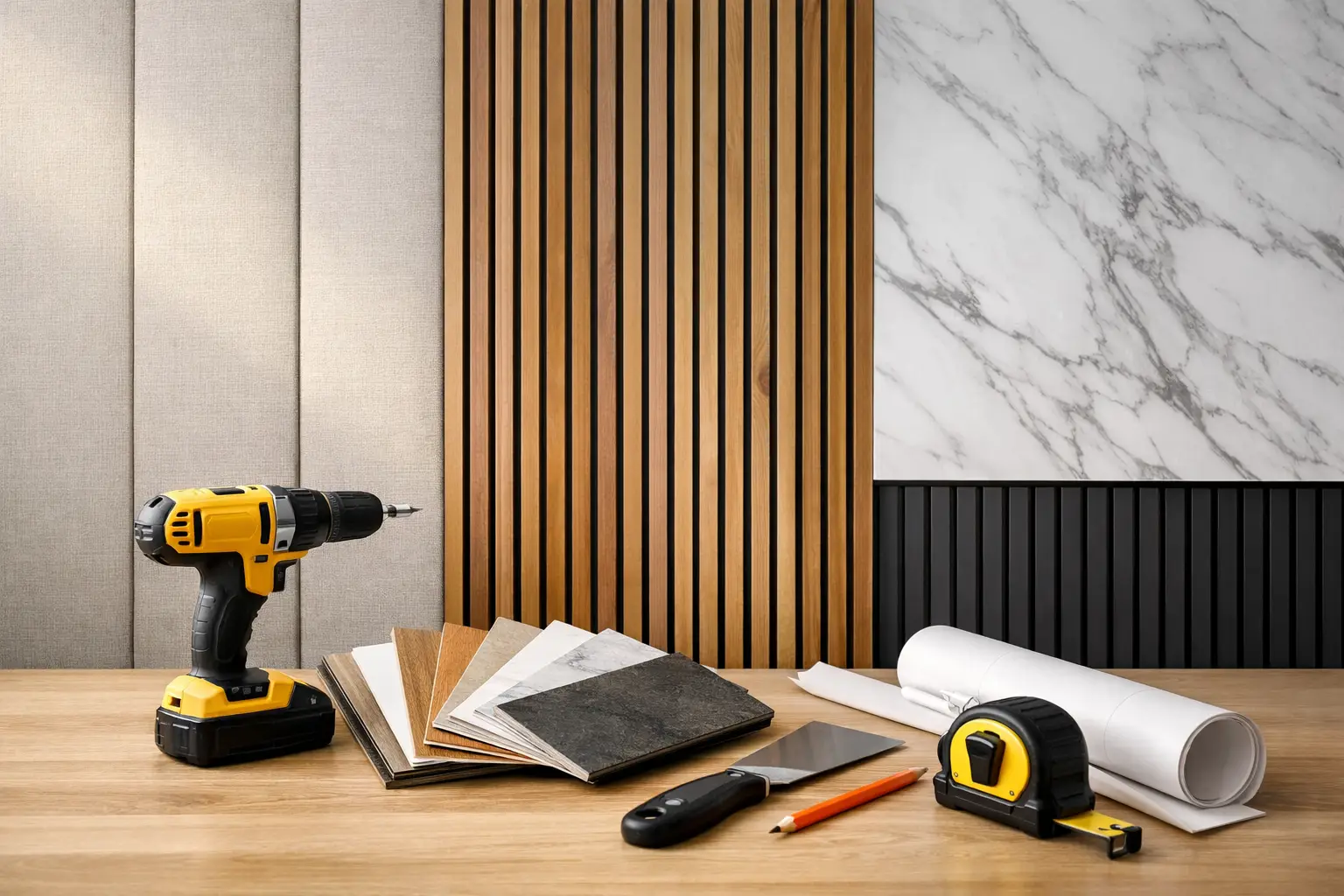
A renovation can feel almost complete, yet still lack the sense of intention that makes a room memorable. Often, the missing element is not another piece of furniture but the surface behind it. The best wall panels for renovation add depth, warmth, and architectural character while solving practical concerns such as echo, weather exposure, and ongoing maintenance.
For a refined home, hospitality venue, office, or retail setting, wall panels are more than decorative cladding. They can create a quieter meeting room, bring definition to a double-volume entrance, protect a weather-facing exterior wall, or turn an ordinary television wall into a considered focal point. The right choice depends on where the panel will be installed, what the space needs to withstand, and how you want it to feel every day.
What Makes a Wall Panel Right for a Renovation?
The most successful renovations balance visual impact with long-term practicality. A panel may look exceptional in a showroom, but its material, mounting system, and finish must suit the realities of the project. A busy family room needs a different solution from a covered patio, while a restaurant with hard floors and glass needs more acoustic control than a quiet bedroom.
Start with the setting. Is the wall indoors or outdoors? Will it receive direct rain, harsh sun, steam, fingerprints, or frequent cleaning? Then consider performance. Some panels primarily provide visual texture, while others help absorb sound, resist moisture, or stand up to changing weather conditions.
Installation matters too. Renovation projects often involve existing walls that are imperfect, uneven, or difficult to alter. Panel systems that install cleanly over a prepared surface can reduce mess and avoid the labor involved in rebuilding or replastering an entire wall. Details such as trims, corner edges, and end slats are equally important. They give the installation a tailored finish rather than the appearance of an afterthought.
Best Wall Panels for Renovation Projects
There is no single best material for every room. The strongest choice is the one that matches the project’s design brief and its everyday demands.
Acoustic slat wood panels for living spaces and workplaces
Acoustic slat panels are among the most versatile choices for interior renovation. Their vertical rhythm introduces the warmth and texture associated with timber, while the acoustic backing helps soften reflected sound. This makes them especially effective in open-plan living areas, media rooms, home offices, boardrooms, reception areas, restaurants, and hotel interiors.
The acoustic benefit is meaningful, but expectations should be realistic. Slat panels can reduce echo and improve speech clarity by absorbing a portion of the sound that would otherwise bounce off hard surfaces. They are not a substitute for full soundproofing between rooms. If the goal is to stop noise from passing through a wall, the construction behind the panel must also be addressed.
Design-wise, these panels work beautifully as a feature wall, ceiling treatment, bed backdrop, or television wall. A dark finish can bring drama and depth to a contemporary interior, while lighter oak-inspired tones create a softer, more relaxed atmosphere. Carrying the panel from wall to ceiling is particularly effective in large spaces, where it creates continuity and a more immersive architectural finish.
Exterior composite panels for patios and facades
Outdoor walls demand materials that can handle more than good looks. Exterior composite wood panels are designed for areas exposed to sun, moisture, temperature changes, and the regular dust of outdoor living. They offer the rich appearance of wood without the cycle of sanding, sealing, staining, and repainting associated with many natural timber finishes.
They are an excellent option for patio feature walls, braai areas, garden structures, entrance facades, balcony walls, and hospitality terraces. Their clean linear profile pairs well with stone, plaster, glass, and black aluminum, allowing an exterior to feel more cohesive and deliberately designed.
Even durable composite panels need correct installation. Allow for drainage, airflow, and the expansion movement specified for the product. A panel system should never be treated as a shortcut around poor waterproofing or structural defects in the wall behind it. When the substrate is sound and the fixing method is correct, composite cladding delivers a polished, low-maintenance exterior finish that remains visually composed through the seasons.
Moisture-resistant panels for bathrooms and utility areas
Bathrooms, laundries, and other high-humidity areas need a more cautious approach. Not every decorative panel is suitable near steam, splashing water, or direct shower exposure. In these spaces, choose a panel specifically rated for moisture resistance and follow the manufacturer’s guidance on sealing joints and edges.
Water-resistant wall panels can be a compelling alternative to tile in selected areas because they create fewer grout lines and can be faster to install. They also bring a more contemporary, continuous look to a compact room. However, a moisture-resistant panel is not automatically waterproof. For wet zones, especially shower enclosures, use materials and waterproofing systems approved for direct water contact.
Veneered and decorative wood-look panels for quiet luxury
For low-impact interior walls, decorative veneered panels and high-quality wood-look boards can deliver a more formal, furniture-like finish. They suit dining rooms, boutique retail spaces, executive offices, bedroom walls, and entrance halls where acoustics or weather resistance are not the main concern.
Their advantage is visual precision. Large-format panels can create broad, uninterrupted planes of grain and color, making a room feel calmer and more luxurious. The trade-off is that these materials usually require greater care around moisture, scratches, and exposed edges. They are best reserved for dry interiors where the finish can be appreciated and protected.
Choose the Finish Before You Choose the Color
Color is usually the first decision people make, but profile and finish deserve equal attention. A narrow slat profile creates detailed texture and a contemporary feel. Wider boards read as more architectural and relaxed. Vertical lines can make a low room feel taller, while horizontal cladding can visually widen a narrow wall.
A natural oak-inspired tone is often the safest choice when you want warmth without making the room feel heavy. Walnut and charcoal finishes bring contrast and sophistication, particularly when paired with pale plaster, stone, or soft neutral furnishings. For commercial projects, darker panels can ground a reception or bar area, but consider lighting carefully. A rich finish needs enough illumination to reveal its texture rather than disappear into shadow.
Order samples where possible and view them against the room’s existing flooring, paint, and daylight. The same panel can appear substantially warmer or cooler depending on surrounding materials. This small step prevents costly assumptions and helps the final palette feel intentional.
Installation Details That Create a Premium Result
A premium panel deserves a premium edge treatment. The visible end of a slat wall, the return around a corner, and the transition to a ceiling or adjacent finish all affect the final impression. Matching end slats, corner trims, and finishing profiles make the installation look designed for the space rather than simply cut to fit it.
Before installation, check that the wall is dry, stable, and reasonably flat. Minor imperfections may be concealed, but panels should not be used to cover active damp, crumbling plaster, or loose paint. Measure from the most visible line in the room, such as a doorway, ceiling line, or central focal point, rather than assuming every wall is perfectly square.
For acoustic slat panels, plan electrical points, television brackets, lighting, and cable routes before fixing the first panel. A well-positioned LED wash can emphasize the panel’s texture, while concealed cabling preserves the calm, tailored effect. On exterior projects, use the appropriate fixing hardware and leave the clearances needed for a durable installation.
Where Wall Panels Deliver the Greatest Impact
Feature walls work because they focus attention. Instead of applying a panel finish to every available surface, select the wall that already carries visual importance: behind a bed, television, dining table, reception desk, or outdoor seating area. The result is stronger and often more cost-effective.
In open-plan homes, panels can also define zones without building a new partition. A slatted backdrop behind a dining area separates it visually from the kitchen, while an acoustic ceiling section can make a large living area feel more comfortable for conversation. In commercial interiors, the same principle helps a workspace feel warmer and more human without compromising a clean, professional aesthetic.
A curated panel system, such as the specialist finishes offered by Inspiration Wood, is especially valuable when trims and accessories are designed to work together. It removes much of the uncertainty from specification and helps contractors achieve a consistent result across walls, ceilings, corners, and exterior features.
The best renovation decisions are the ones you continue to appreciate after the dust sheets are gone. Choose a panel that fits the way the space is used, invest in the finishing details, and let one well-composed surface give the entire room a more extraordinary sense of place.