

Blog
V Groove Wall Panel Design That Feels Custom

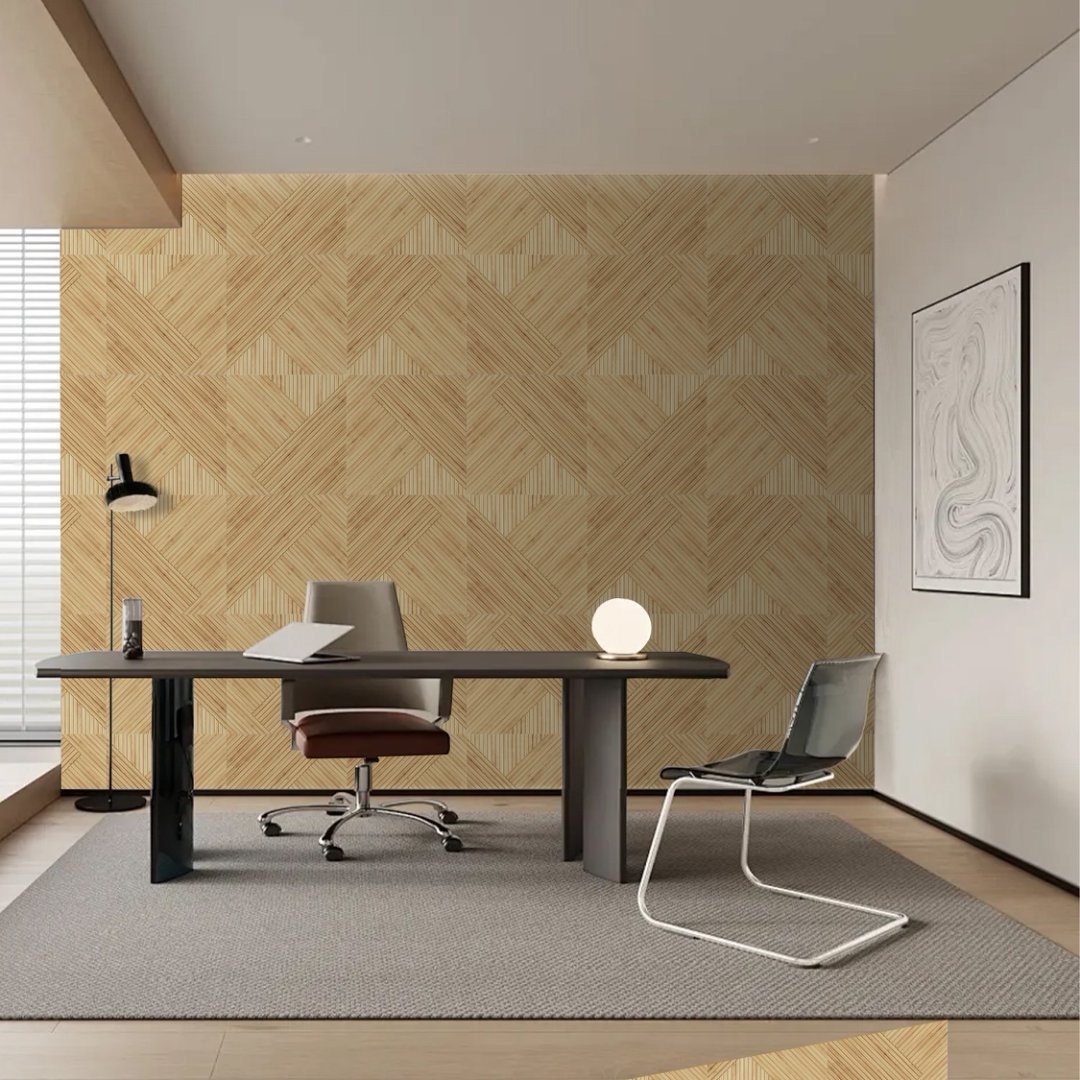
A flat wall can make even a well-furnished room feel unfinished. The difference is often not more decor, but better surface design. That is where v groove wall panel design stands out – it introduces shadow lines, proportion, and architectural rhythm in a way that feels deliberate, polished, and quietly luxurious.
For homeowners, designers, and commercial specifiers, that matters. Walls take up more visual space than almost any other interior element, yet they are often treated as an afterthought. A well-executed paneled finish changes that instantly. It gives the room structure, creates a stronger design identity, and can bridge the gap between minimal modern styling and the warmth people still want in everyday spaces.
Why v groove wall panel design works so well
The appeal of V-groove panels is rooted in restraint. Rather than competing with furniture, lighting, or flooring, the grooves create a disciplined pattern that adds depth without visual clutter. The result is clean, but never cold.
That balance makes the style unusually versatile. In a contemporary home, it can sharpen an entryway, frame a headboard wall, or bring texture to open-plan living areas. In hospitality or office settings, it can make large surfaces feel more considered and less blank, which is especially useful in spaces that need to look premium without becoming overstated.
The grooves also do something subtle but important with light. As daylight shifts or feature lighting is introduced, the recessed lines cast narrow shadows that animate the wall. This is one of the reasons the finish feels more architectural than paint or plain board. It is not only about color or material – it is about the way the wall behaves throughout the day.
What defines a good V groove wall panel design
Not every grooved panel installation feels elevated. The strongest results come from proportion, placement, and material finish working together.
Groove spacing and visual rhythm
Wider spacing tends to feel calmer and more contemporary. It suits larger walls, open interiors, and projects where the goal is a broad, refined statement. Narrower spacing creates a more detailed effect and can bring energy to compact areas such as hallways, reception fronts, or powder rooms.
There is no universal rule here. A dramatic lounge wall may benefit from fewer, more pronounced lines, while a smaller commercial feature area may need tighter repetition to read clearly. The right rhythm depends on room scale, ceiling height, and how much furniture will sit against the wall.
Orientation changes the room
Vertical grooves naturally draw the eye upward, making ceilings feel taller and spaces more elegant. This is why they are often favored in bedrooms, dining spaces, and reception areas where a sense of height adds value.
Horizontal layouts can visually widen a room and create a more grounded, linear feel. They can work beautifully in waiting areas, media rooms, or contemporary retail environments. The trade-off is that horizontal lines can emphasize wall length more than height, so they need to be used with intent.
Finish matters as much as the pattern
A V-groove profile in a warm wood-inspired finish will feel very different from the same profile in a flat painted surface. Wood-look finishes tend to soften the geometry and bring a more natural, upscale character to the room. They work particularly well when clients want detail without sacrificing warmth.
This is one reason premium panel systems have become so attractive. They deliver the texture and presence of crafted wall detailing with a cleaner installation process and far less maintenance than traditional timber applications.
Where this style performs best
One of the strengths of v groove wall panel design is that it can be used as a complete surface treatment or as a focused design feature.
In residential spaces, it is especially effective behind beds, in TV walls, entrance halls, stairwells, and dining areas. These are places where the wall should contribute something beyond basic function. A paneled finish gives them a stronger point of view without needing layered styling to do all the work.
In offices, grooves can help turn generic meeting rooms and reception zones into spaces with more identity and polish. They also pair naturally with acoustic surface strategies, which matters in environments where speech clarity, concentration, and overall comfort affect how the space performs.
Hospitality projects benefit for similar reasons. Restaurants, hotel lounges, and guest suites need finishes that feel memorable, but they also need durability and consistency. A considered panel design can give those environments a premium atmosphere while remaining practical for high-use settings.
The practical advantage behind the aesthetic
Beautiful finishes earn attention. Practical finishes earn repeat specification.
That is part of the reason grooved panel systems continue to gain traction. Designers and property owners are not only choosing them for their visual depth. They are also responding to easier installation, cleaner detailing, and lower upkeep compared with traditional joinery-heavy wall treatments.
Depending on the product selected, panel systems can reduce the mess and time associated with more labor-intensive cladding methods. That has obvious value in renovations, occupied commercial spaces, and projects with tight timelines. Consistency is another advantage. Factory-finished panels help create a more controlled result, which is especially important when the design relies on clean lines and even spacing.
Maintenance is a further consideration. Traditional wood can be beautiful, but it often brings ongoing care requirements that are not ideal for busy homes or commercial interiors. A premium wood-inspired panel solution offers a more manageable way to achieve the same design direction.
How to make v groove wall panel design feel high-end
Luxury is rarely about adding more. It is about editing well.
A strong V-groove installation usually works best when the rest of the room supports it rather than competes with it. If the wall has pronounced texture and rhythm, furniture can be simpler. If the panel finish is warm and natural, metal accents, stone, and soft textiles can add contrast without disturbing the calm.
Lighting deserves particular attention. Wall washers, directional downlights, and gentle ambient lighting all help reveal the groove pattern and give the surface more presence after dark. Without considered lighting, even a well-designed panel wall can lose some of its depth.
Trim details also affect the outcome. Poorly resolved edges can make a premium wall feel ordinary. Clean corner treatments, end pieces, and transitions around switches, media points, and openings are what turn a good concept into a convincing finished result.
Common mistakes to avoid
The most frequent mistake is using grooved paneling on every available surface without enough contrast. Texture has more impact when it has room to breathe. Often, one feature wall or one architectural zone is enough to establish the language of the space.
Another issue is choosing a profile that fights the room. Tight grooves in a small, low-ceilinged area can feel busy. Overscaled spacing on a narrow wall can feel underwhelming. Good design is not about following a trend exactly as seen elsewhere. It is about matching the panel format to the specific room.
There is also the question of style compatibility. V-groove panels can sit comfortably in modern, coastal, transitional, and even more classic interiors, but the finish and detailing need to align with the broader scheme. A sleek office fit-out may call for a refined, understated tone, while a residential retreat may benefit from warmer grain and softer surrounding materials.
A smart choice for modern interiors
What makes this category so relevant now is that it satisfies both emotional and practical expectations. People want spaces that feel elevated, but they also want materials that are realistic to live with. They want warmth without the maintenance burden, architectural detail without drawn-out site work, and surfaces that look curated rather than improvised.
That is exactly where a brand such as Inspiration Wood fits naturally into the conversation. A specialized panel offering gives homeowners and trade professionals access to design-led finishes that are easier to specify, easier to install, and better suited to modern lifestyles than many traditional alternatives.
The real value of v groove wall panel design is not simply that it decorates a wall. It gives the room a stronger backbone. It introduces order, texture, and confidence, which is often the difference between a space that looks finished and one that truly feels resolved.
If you are shaping a new interior or refining an existing one, start with the surfaces that define the room most. A well-chosen wall panel does more than fill space – it sets the standard for everything around it.