

Blog
Acoustic Panels vs Wallpaper: Which Changes a Room?

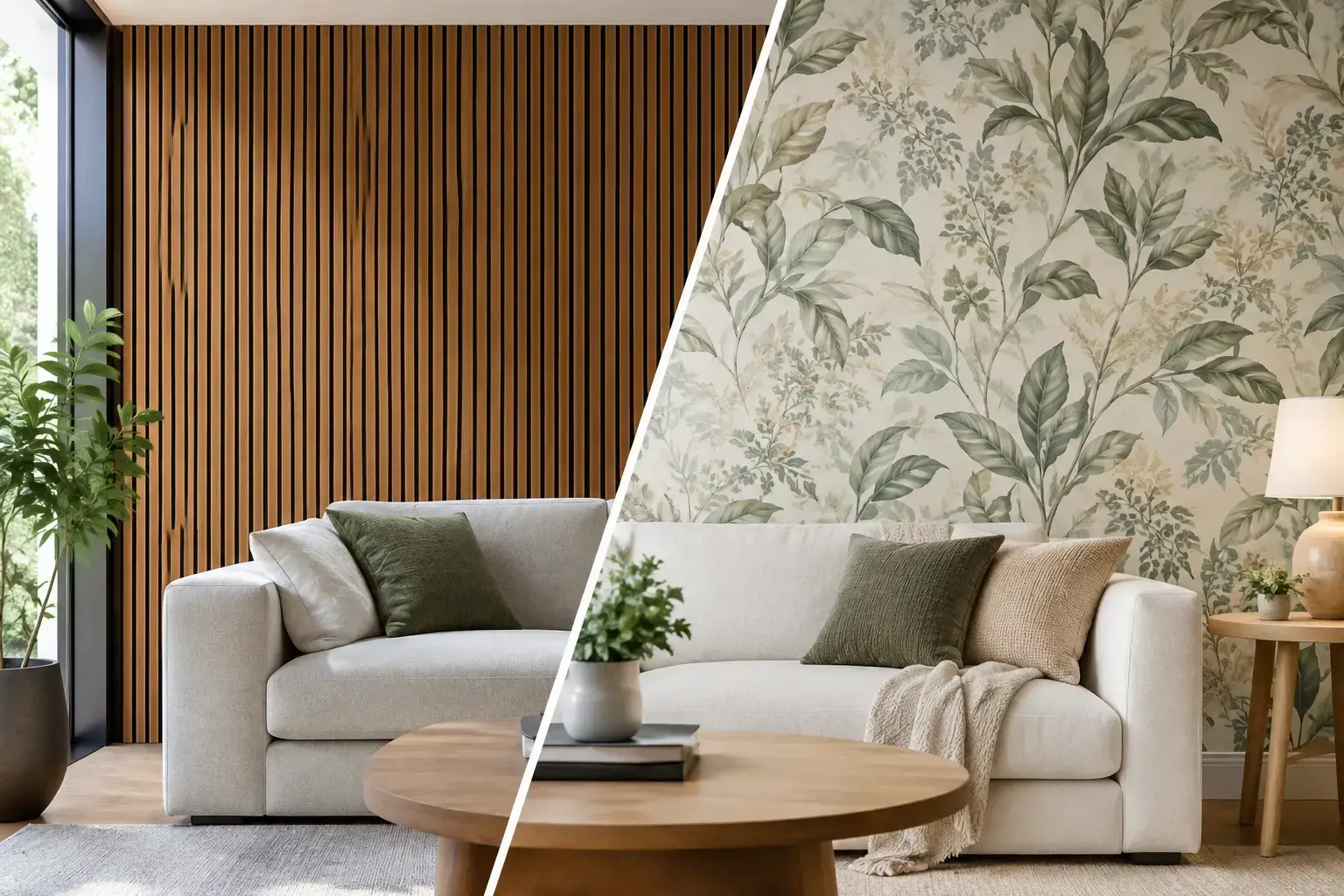
A beautiful room can still feel unfinished when every conversation carries, footsteps bounce, and a television seems louder than it should. When comparing acoustic panels vs wallpaper, the key difference is not simply visual. One finish can help manage sound within a space, while the other is primarily a decorative layer. Both can elevate a wall, but they solve very different design problems.
For homeowners, designers, and commercial spaces, the right choice depends on how the room is used. A powder room or bedroom may need pattern, color, and character. An open-plan living area, boardroom, restaurant, or media room may need those qualities plus a calmer acoustic experience.
Acoustic Panels vs Wallpaper: The Real Difference
Wallpaper is a surface finish. It introduces color, texture, pattern, or a tactile material effect to a wall. From quiet linen-look designs to expressive murals, it is an effective way to establish a mood and make a room feel considered. Standard wallpaper, however, is thin and installed directly onto the wall. It does very little to absorb the sound energy that causes echo and harsh reverberation.
Acoustic slat panels are designed with performance in mind. Typically, they combine wood-inspired slats with an acoustic felt backing. The felt helps absorb a portion of sound reflections, while the slatted profile adds dimension, rhythm, and warmth. Rather than treating the wall as a flat backdrop, acoustic panels turn it into an architectural feature.
This does not mean acoustic panels make a room silent or stop noise from traveling between rooms. Sound absorption and soundproofing are separate goals. Panels can reduce the echo inside a room and improve speech clarity, but they are not a substitute for insulated walls, sealed gaps, or specialist construction where privacy or external noise control is required.
Choose Wallpaper When Decoration Is the Priority
Wallpaper is often the more natural choice when the brief is purely decorative. It works especially well in spaces where soft furnishings already help control reflections, such as a carpeted bedroom with curtains, bedding, and an upholstered headboard. It can also bring a detailed pattern into a small area without adding visual depth that may make the room feel more enclosed.
Its flexibility is a major advantage. Wallpaper can cover every wall for an immersive effect or appear on one feature wall. It can suit a traditional home, a playful children’s room, a boutique hospitality setting, or a refined guest bathroom. The range of colors and motifs is extensive, making it easier to match an exact design concept.
There are practical considerations. Installation relies heavily on wall preparation and precise alignment. Seams, air bubbles, and moisture exposure can compromise the final result, especially in busy or humid areas. Wallpaper may also show scuffs, tears, or lifted edges over time. Washable options can help, but maintenance requirements vary considerably by material and finish.
Choose Acoustic Panels When the Room Needs Calm
Acoustic panels are particularly compelling in rooms with hard surfaces. Large windows, tile floors, polished concrete, glass partitions, and minimal furnishings all look sophisticated, yet they can create a bright, echoing soundscape. A slatted acoustic wall introduces softness acoustically and visually without losing the clean-lined character of a contemporary interior.
In a home, this can make an open-plan living room feel more relaxed during family time or improve the experience of watching movies. Behind a bed, panels create a tailored headboard wall with depth and warmth. In a home office, they can make calls and video meetings feel less tiring by reducing the room’s sharp reflections.
Commercial applications are equally valuable. Offices benefit from clearer conversations and more composed meeting spaces. Restaurants and hospitality venues can use acoustic finishes to preserve atmosphere while making it easier for guests to speak across a table. Reception areas, retail interiors, and show homes gain a premium focal point that looks intentional from every angle.
The Design Impact: Pattern Versus Dimension
The aesthetic comparison between acoustic panels and wallpaper is less about which is more stylish and more about the kind of visual statement you want. Wallpaper creates its impact through surface design. It can be subtle, illustrative, graphic, or richly textured, but it remains largely flat.
Acoustic slat panels create impact through shadow, line, and material contrast. As natural light moves across the slats, the wall changes throughout the day. This makes them especially effective on walls that receive light from windows, pendants, or wall washers. The result is quiet luxury rather than decorative busyness.
Wood-inspired finishes also bridge different interior styles with ease. A deep walnut tone can bring richness to an executive office or moody lounge. Lighter oak-inspired tones can soften a minimalist living space. Dark slats paired with black felt create a more contemporary, architectural effect. At Inspiration Wood, this balance of refined wood texture and practical acoustic performance is central to creating surfaces that feel elevated yet livable.
Installation and Long-Term Care
Wallpaper installation can be quick in the hands of an experienced installer, but it demands a smooth, dry, properly prepared surface. Pattern repeats need careful planning, and removing old wallpaper later may require time-consuming stripping and wall repair. This is worth considering if you enjoy updating your interiors regularly.
Acoustic panels are generally installed as a modular wall finish, using screws, adhesive, or a combination suited to the substrate and project requirements. The process can be clean and efficient, particularly when panels are planned around outlets, switches, and edges before installation begins. Trims, end slats, and corner details give the finished wall a more polished architectural result.
For everyday care, acoustic slat panels are usually straightforward. Regular dusting or vacuuming with a soft brush attachment is often enough to maintain their appearance. Wallpaper care depends on its composition: some finishes tolerate gentle wiping, while others should be cleaned only with a dry cloth. In high-contact zones, such as corridors, reception spaces, and family areas, the durability of the chosen finish matters as much as its appearance.
Budget: Compare the Full Project, Not the Roll Price
Wallpaper may appear more affordable at first because pricing is often measured by the roll. Yet the full cost can shift once you include surface preparation, adhesive, professional installation, pattern matching, waste, and possible future replacement. Premium wallpaper can also be a significant design investment.
Acoustic panels generally have a higher material cost per wall area, but they deliver a decorative finish and a functional acoustic benefit in one product. They can also reduce the need for additional wall art or elaborate feature-wall treatments. For a focal wall, this can make the investment feel more proportionate to the result.
The best comparison is not panel cost versus wallpaper cost alone. Consider the wall’s role in the room, the expected lifespan of the design, the condition of the existing surface, and whether better acoustics would improve daily comfort, productivity, or guest experience.
Can You Use Both in One Interior?
Yes, and the strongest interiors often use each material where it performs best. Acoustic panels can anchor a television wall, dining area, entrance, meeting room, or bed wall, while wallpaper adds personality in an adjoining passage, guest room, or powder room. The finishes do not need to compete.
Keep the palette connected. If the panels have a warm oak-inspired tone, choose wallpaper with warm neutrals, softened greens, clay shades, or a restrained charcoal pattern. If the panels are darker and more dramatic, a lighter wallpaper can prevent the space from feeling overly heavy. Repeating one or two tones across upholstery, rugs, and lighting will make the transition feel deliberate.
Make the Choice Around How You Live
Choose wallpaper when your wall needs color, pattern, or a decorative story and acoustics are not a concern. Choose acoustic panels when you want a design-led feature that also helps a room feel calmer, clearer, and more comfortable to spend time in. In spaces where sound is part of the experience, that added function can change far more than the appearance of a wall.
The most enduring choice is the one that supports the way the room is actually lived in – from unhurried dinners and focused meetings to quiet mornings at home.