

Blog
How to Create Luxury Interiors That Last

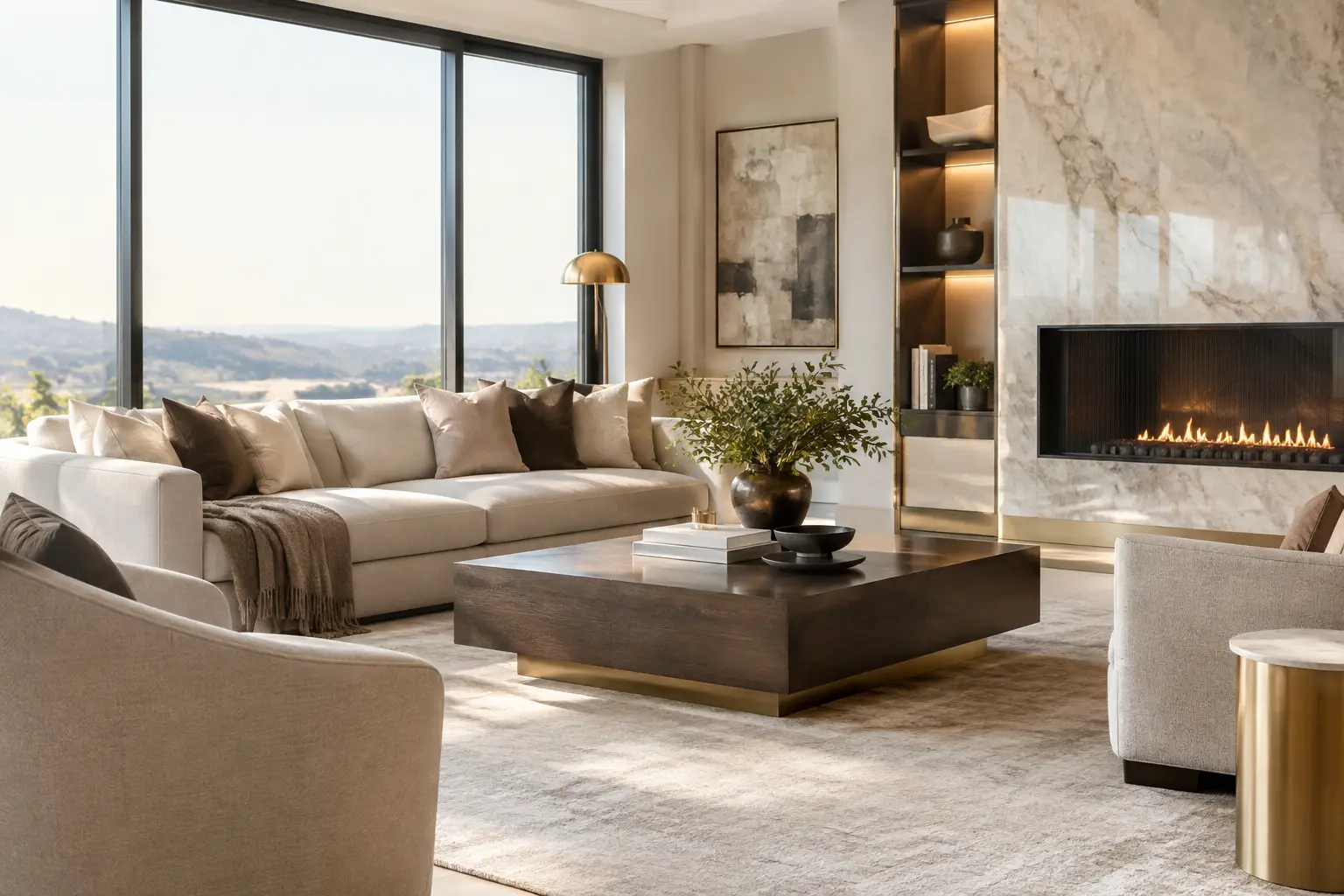
A truly luxurious room is rarely defined by one expensive object. It is felt in the quiet underfoot, the warmth of a textured wall, the way light settles across a surface, and the sense that every finish belongs. Learning how to create luxury interiors starts with this shift in perspective: luxury is not excess. It is a carefully edited experience built around quality, comfort, and lasting visual impact.
For homeowners, designers, and commercial decision-makers, the most successful spaces balance a refined look with everyday performance. A dramatic material that is difficult to maintain, a beautiful room that echoes, or a fashionable finish that dates quickly will not feel luxurious for long. The aim is to create rooms that look considered from the first glance and work beautifully long after installation.
Start With a Clear Design Story
Luxury interiors have a point of view. Before selecting colors, wall finishes, or furniture, decide what the space should communicate. It may be calm and architectural, warm and nature-led, or tailored and contemporary. This direction helps prevent the common mistake of combining several premium-looking elements that compete rather than complement one another.
Choose a restrained palette of two or three key tones, then introduce contrast through texture. Soft stone shades, deep charcoal, warm oak-inspired hues, and muted greens create a sophisticated foundation because they feel grounded rather than overly decorative. In a smaller room, lighter finishes can bring openness. In a larger room, darker timber tones or textured panels can introduce intimacy and visual depth.
A design story also gives individual rooms continuity. The entrance, living area, kitchen, and bedrooms do not need to match exactly, but they should feel connected by repeated materials, tones, or details. That continuity is one of the quiet signals of a professionally designed interior.
Create Luxury Interiors Through Material Layering
Flat, featureless surfaces can make even a well-furnished room feel unfinished. Layering materials is what gives luxury interiors their depth. Think of smooth cabinetry against a tactile wall finish, soft upholstery beside a slim metal detail, or natural wood-inspired surfaces balanced with polished stone or glass.
Wall and ceiling treatments are especially effective because they change the architecture of a room, not just its decoration. Acoustic slat wood panels, for example, introduce linear rhythm, warmth, and a sense of bespoke craftsmanship. Used behind a bed, along a television wall, in an entryway, or across a ceiling section, they create an intentional focal point without overwhelming the space.
The proportion matters. Covering every available wall in a statement material can make a room feel heavy. A single well-positioned feature wall often has greater impact, particularly when it aligns with the room’s natural focal point. In open-plan spaces, slatted panels can also define a lounge, dining area, or work zone while maintaining visual flow.
Look beyond appearance when choosing finishes. A surface that captures the character of timber while offering straightforward installation and lower maintenance can be a more practical luxury than traditional materials in high-use homes, hospitality spaces, or offices.
Let Texture Do the Decorative Work
A refined room does not need many accessories if its materials are doing their job. Textured wall panels, woven fabrics, veined stone-look surfaces, matte paint, and quality timber-inspired details add interest without visual clutter.
This is particularly useful for modern interiors, where clean lines can otherwise feel cold. The softness of wood grain and acoustic felt backing brings warmth to streamlined architecture. Pair it with a boucle chair, linen drapery, or a wool rug, and the room gains dimension while retaining a calm, contemporary finish.
Design for Comfort, Not Just Appearance
Luxury is sensory. A room can be visually impressive yet still feel uncomfortable if it has harsh acoustics, glaring light, or poor spatial flow. The best interiors consider how people will speak, work, rest, and gather in the space.
Acoustics deserve more attention than they typically receive. Hard surfaces such as tile, glass, concrete, and stone can cause sound to bounce around a room, making conversation tiring and entertainment less enjoyable. In offices, restaurants, boardrooms, and open-plan homes, this becomes a real performance issue rather than a minor inconvenience.
Acoustic slat wall panels can help soften reverberation while adding architectural character. They are particularly valuable behind a television, in a home office, along a dining wall, or in a meeting room where speech clarity matters. The result is not only a more polished room, but also a more comfortable one to live and work in.
Lighting should be layered with the same care. Relying on a single central fitting can flatten textures and make a room feel functional rather than elevated. Combine ambient lighting for overall brightness, task lighting where activity happens, and accent lighting to highlight art, joinery, or a feature wall. Warm white lighting generally complements timber tones and soft neutrals more gracefully than overly cool bulbs.
Choose Fewer, Better Features
Luxury often comes from restraint. Instead of filling a room with multiple focal points, invest in one or two elements that immediately establish quality. This could be a full-height slat panel installation, beautifully proportioned curtains, a sculptural pendant, or custom-looking joinery.
Scale is essential. A small light fitting in a double-volume entry or undersized art above a large sofa can weaken the effect of otherwise premium finishes. Measure carefully and leave breathing room around key pieces. Negative space is not empty space – it is what allows the materials and forms you have chosen to be appreciated.
Avoid matching every wood tone perfectly. A room with identical timber shades can feel manufactured. Instead, select tones within a similar temperature. Warm oak-inspired wall panels can sit comfortably with walnut furniture or a medium-toned floor if the undertones feel intentional. The contrast should be subtle enough to look layered, not accidental.
Make Practical Choices That Preserve the Finish
A luxurious interior should remain beautiful under real conditions. Children, pets, sunlight, entertaining, humidity, and daily cleaning all influence which materials make sense. This is where a design decision becomes a long-term investment decision.
Traditional timber can be beautiful, but it may require sealing, refinishing, or more careful upkeep depending on its location. Wood-inspired composite and engineered surface solutions offer an appealing alternative where durability and easier maintenance are priorities. In high-traffic interiors, they can provide the visual warmth of wood without asking for the same level of ongoing care.
For exterior transitions, covered patios, hospitality terraces, and weather-exposed feature areas, choose materials specifically designed to handle changing conditions. A coherent indoor-outdoor palette can make a property feel larger and more considered, but the products must be suited to their environment.
Details should receive the same attention as the main panels. Clean corner edges, trims, end slats, and properly resolved joins separate a convincing installation from one that feels incomplete. These finishing components may seem small, yet they create the crisp lines associated with premium craftsmanship.
Use Architectural Features to Add Value
Not every luxury upgrade requires a full renovation. Surface treatments can change the perceived quality of a space quickly because they add architectural interest where there was previously a blank plane.
In a home, consider the wall behind the bed, the entry passage, a fireplace surround, a media wall, or a ceiling bulkhead. In commercial settings, reception areas, boardrooms, restaurant banquettes, retail displays, and hotel corridors offer strong opportunities for material-led transformation. These are the areas people remember, photograph, and associate with the brand or property.
For a polished result, plan the installation around existing features. Align panel spacing with cabinetry, doors, light switches, or ceiling lines where possible. Consider where power points, televisions, shelves, and lighting will sit before the panels are fitted. Good planning keeps the finished surface clean and intentional.
Inspiration Wood’s premium acoustic slat panels and complementary finishing accessories make this approach more achievable for design-led homes and commercial projects alike. They allow natural wood-inspired character to become a practical, installable part of the architecture rather than an afterthought.
Give the Room Time to Breathe
The final layer of luxury is editing. Once the core finishes, furniture, lighting, and textiles are in place, resist the urge to keep adding. Remove the pieces that do not support the room’s design story. Let a textured wall stand quietly, let a beautiful chair have space around it, and let lighting reveal the materials after dark.
A luxurious interior should feel personal, but never crowded. When each finish has a purpose and each practical choice supports daily comfort, the space becomes more than impressive. It becomes a place people genuinely want to spend time in.