

Blog
How to Clean Composite Wall Cladding Safely

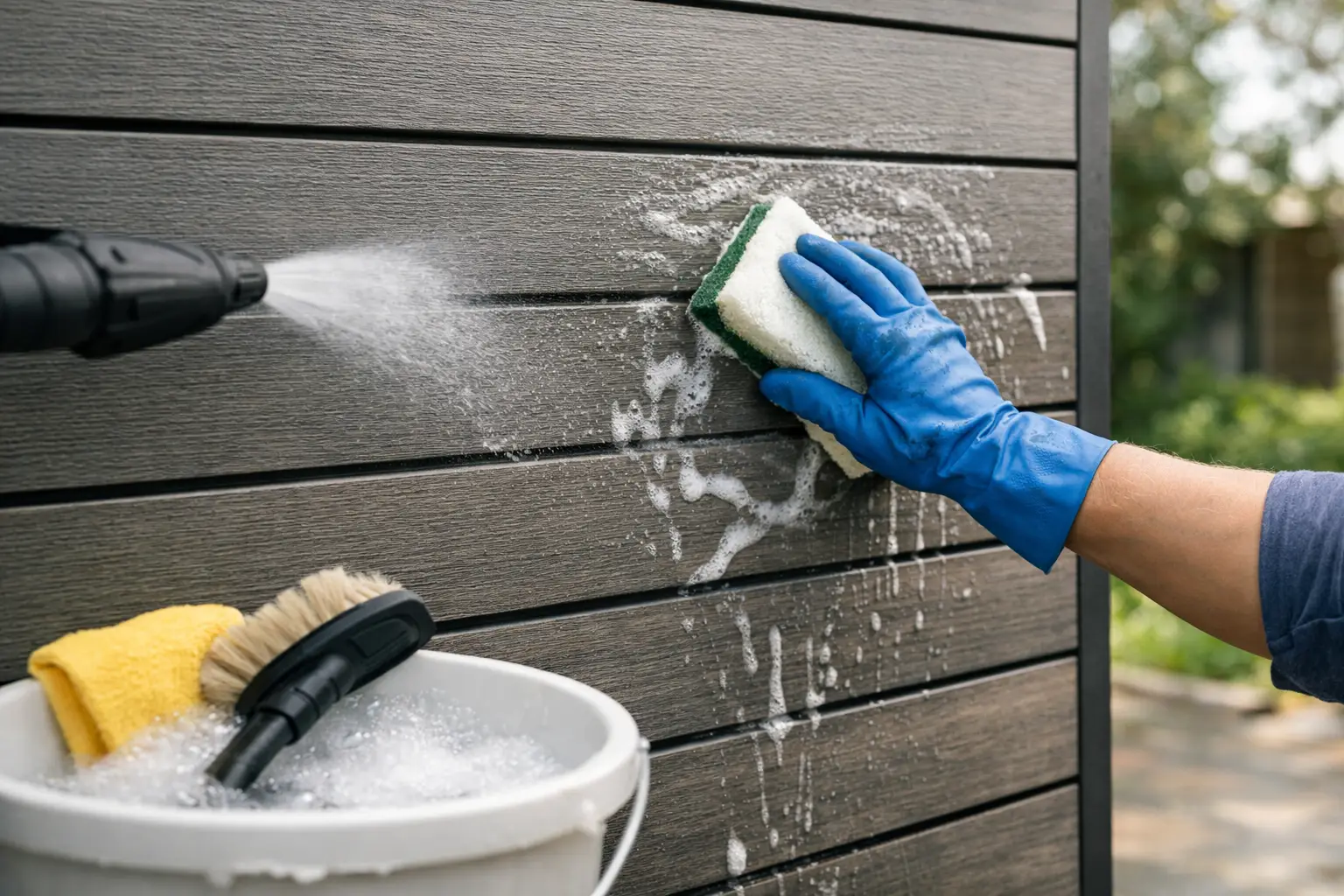
A beautifully finished composite wall should frame a space, not become another demanding maintenance task. Knowing how to clean composite wall cladding properly helps preserve its refined wood-look texture while removing the everyday dust, rain marks, pollen, and urban residue that can dull a façade over time.
Composite cladding is designed for easier care than natural timber, but low maintenance does not mean no maintenance. A gentle, consistent cleaning routine protects the finish without scratching the surface, forcing moisture into joints, or leaving behind a film that attracts more dirt.
What composite wall cladding needs – and does not need
Composite wall cladding combines the warmth of wood-inspired design with practical resistance to weathering, moisture, and everyday wear. For homes, hospitality settings, offices, and commercial façades, that balance is part of its appeal: the surface can deliver architectural character without the regular sanding, staining, and sealing associated with traditional wood.
Most routine buildup can be handled with water, a mild soap solution, and a soft brush or microfiber cloth. Harsh chemicals, abrasive pads, and aggressive pressure washing are rarely necessary. In fact, they may compromise the surface finish or leave visible marks, especially on darker colors and textured wood-grain profiles.
The right method depends on where the cladding is installed. Exterior walls contend with dust, rain splash, mildew-prone shaded areas, and airborne pollutants. Interior composite feature walls are more likely to collect fine dust, fingerprints, or marks from busy commercial spaces. Cleaning should suit the environment rather than follow a one-size-fits-all routine.
How to clean composite wall cladding step by step
Start by choosing a mild, dry day if you are cleaning an exterior installation. Direct midday sun can cause soapy water to dry too quickly, which may leave residue on the surface. Early morning or late afternoon is usually more forgiving.
First, remove loose dust and debris. Use a soft-bristled brush, dry microfiber mop, or clean cloth to work across the boards and along grooves. Follow the direction of the cladding profile where possible. This simple first pass prevents loose grit from being rubbed into the surface during washing.
Next, prepare a bucket of warm water with a small amount of mild, pH-neutral household soap. Avoid bleach, solvent-based cleaners, strong degreasers, and products formulated for stone, metal, or heavily soiled concrete. A cleaner that feels powerful is not necessarily a better choice for a premium decorative surface.
Dip a soft brush or microfiber cloth into the solution, then clean a manageable section at a time. Use light pressure and steady strokes rather than hard scrubbing. Pay particular attention to the lower portion of exterior walls, where rain splash and soil are most likely to gather, and to horizontal ledges or trim details where dust can settle.
Rinse the area with clean water before moving on. A standard garden hose with a gentle spray setting is usually sufficient for outdoor cladding. The goal is to remove soap and loosened dirt, not blast the wall clean. For interior installations, wipe with a second cloth lightly dampened in clean water, then dry the surface with a soft towel if needed.
Allow the cladding to air-dry naturally. Once dry, step back and inspect the wall from a few angles. This is the easiest way to spot missed residue in grooves, around corner edges, or near end trims.
Treating common marks without damaging the finish
Not every mark needs the same approach. Dirt from ordinary weather exposure responds well to the gentle soap-and-water method. Pollen, light mud, and dust usually lift easily once they have been softened with water.
For bird droppings, food splashes, or similar organic marks, act sooner rather than later. Wet the affected area, allow the debris to soften, and lift it away with a damp cloth or soft brush. Avoid scraping with metal tools, stiff plastic edges, or abrasive sponges. Even if a surface looks durable, a scratch can catch light differently and become more noticeable over time.
Mildew or algae can appear in persistently damp, shaded exterior areas, particularly where airflow is limited. Begin with mild soap and water, then rinse thoroughly. If staining remains, check the cladding manufacturer’s care guidance before using any specialist cleaner. The product must be suitable for composite materials, and it is wise to test it first on an inconspicuous section.
Grease marks near an outdoor kitchen, restaurant service area, or barbecue zone may need a mild, non-abrasive degreasing solution. Again, test a small hidden area first and rinse completely afterward. Repeated exposure to cooking oils is a good reason to build more frequent wiping into the maintenance schedule.
Tools and cleaning methods to avoid
A polished result comes from restraint. Composite wall cladding does not benefit from being treated like a driveway, deck stain project, or industrial surface.
Avoid these cleaning choices unless your specific product manufacturer expressly approves them:
- Wire brushes, steel wool, scouring pads, and abrasive cleaning powders
- Bleach, acetone, paint thinners, solvent cleaners, and highly acidic or alkaline solutions
- High-pressure washers held close to the wall or aimed directly into panel joints
- Sharp scrapers and hard-edged tools used to remove dried debris
- Wax, polish, or oil-based treatments that can leave an uneven, dirt-attracting film
Pressure washers deserve special consideration. Some composite products can tolerate a low-pressure, wide-fan rinse from a safe distance, while others should only be cleaned with a hose. A powerful narrow stream can scar the finish, create fuzzy-looking areas on textured boards, or push water behind the cladding. When in doubt, choose the gentler method.
Set a maintenance rhythm that suits the setting
For a typical exterior residential wall, cleaning twice a year is often enough to keep the surface looking fresh. A wall exposed to a busy road, coastal air, dense tree cover, irrigation overspray, or frequent storms may need attention every few months. Regular light cleaning is easier on the material than allowing grime to become embedded and then resorting to aggressive methods.
Interior composite wall cladding typically needs less intervention. A weekly or biweekly dusting is usually sufficient in a home, while retail, hospitality, and office spaces may benefit from a monthly wipe-down in high-touch areas. Around reception desks, corridors, and dining spaces, quick attention to fingerprints and splashes keeps the design looking intentional rather than merely durable.
It also helps to inspect trims, corner edges, and the spaces around fixtures while you clean. Look for blocked drainage paths, constant water runoff, or nearby vegetation pressing against the wall. Cleaning is not only about appearance. It is an opportunity to protect the installation conditions that support long-term performance.
Preserve the design impact of your wall
The most successful composite installations feel effortless: a warm, dimensional backdrop for a contemporary patio, a more welcoming commercial entrance, or a feature wall that brings texture into a calm interior. That effortless look is created through small, considered acts of care.
At Inspiration Wood, we believe premium surfaces should make extraordinary living more achievable, not more complicated. Use gentle tools, clean marks before they settle, and let the material’s low-maintenance performance do what it was designed to do. A few careful minutes throughout the year will help your composite cladding continue to bring depth, warmth, and composed architectural character to the space around it.