

Blog
Designer Wall Panel Finishes for Elevated Spaces

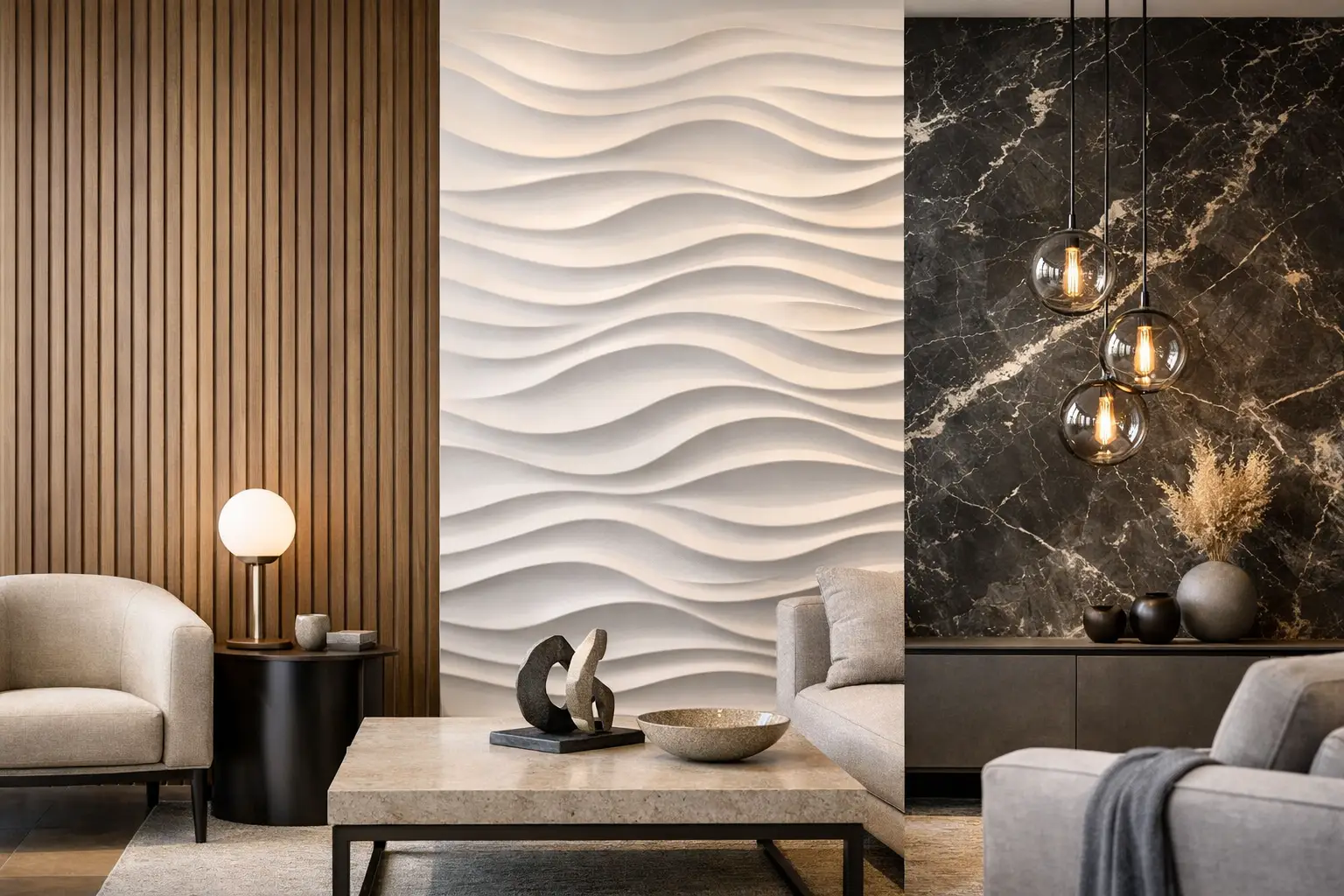
A wall finish is rarely just a background. It sets the temperature of a room before the furniture, lighting, or artwork has a chance to speak. The right designer wall panel finishes can make a quiet bedroom feel cocooned, give a reception area greater presence, or turn an echo-prone meeting room into a more comfortable place to think and talk.
For homeowners and design professionals, the appeal lies in more than visual impact. Contemporary panels bring natural wood character into spaces that need practical performance, cleaner installation, and less maintenance than traditional timber cladding. The result is a surface that feels considered from every angle – and works hard long after installation day.
What Makes a Wall Panel Finish Feel Designer-Led?
A designer-led finish has depth, proportion, and purpose. It does not simply add color to a wall. It creates a relationship between light, texture, and the surrounding materials. Slatted profiles introduce rhythm and shadow, while a carefully chosen wood tone can either soften a crisp contemporary interior or add contrast to pale stone, plaster, glass, and metal.
The most successful panel selections also respect the architecture of the room. A warm walnut-inspired finish can bring gravitas to a study, lounge, or hospitality setting. Lighter oak-inspired tones can make compact rooms feel calmer and more open. Dark charcoal and black finishes create striking definition, particularly behind a television, bed, reception desk, or dining banquette.
Scale matters as much as color. Narrow vertical slats naturally draw the eye upward, helping lower ceilings feel more generous. Used across a full wall or ceiling plane, they can create a dramatic architectural envelope. Applied to a single focal wall, they offer a more restrained intervention with a strong visual return.
The Finishes That Shape Modern Interiors
Wood-inspired acoustic slat panels remain a defining choice for contemporary interiors because they balance warmth with clean geometry. They deliver the visual richness people associate with timber, but in a format designed for straightforward fitting and consistent results. The felt backing adds a softer, more composed appearance between slats while contributing to sound absorption.
Natural oak-inspired finishes are versatile because they work across several aesthetics. Pair them with textured linens, warm white walls, and brushed brass for a relaxed luxury look. Combine them with concrete, black hardware, and sculptural lighting for a more urban, architectural effect. Their strength is their ability to feel welcoming without appearing overly rustic.
Deeper brown finishes create a more enveloping mood. They suit media rooms, executive offices, hotel lounges, and dining areas where atmosphere matters. In smaller rooms, use a darker finish with intention. A single wall, a ceiling feature, or a carefully framed niche can feel sophisticated; covering every surface may make the room feel enclosed unless there is ample natural light.
Black and charcoal finishes offer a distinctly contemporary expression. They provide contrast, sharpen the lines of a room, and make lighter furnishings stand out. These tones are especially effective in commercial interiors where a polished first impression is essential, but they also bring confidence to a modern home office or entertainment wall.
For exterior applications, composite wood panel finishes offer the appearance of natural timber with greater resilience in weather-exposed environments. They can elevate patios, balconies, entrance walls, and entertainment areas without demanding the regular sealing, staining, and upkeep associated with many traditional wood products. The best finish is not always the darkest or most dramatic one. It is the one that complements the building, handles its environment, and will continue to look refined over time.
Choosing Designer Wall Panel Finishes Room by Room
The function of the room should guide the finish as much as its style. In living rooms, a wood-inspired slat feature behind the television creates a natural focal point and helps integrate screens and speakers into the design. Choose a finish that connects to flooring, cabinetry, or a key furniture piece, but avoid matching every wood element exactly. Slight contrast usually gives the room more depth.
Bedrooms benefit from the softness that panels can bring. A full-width headboard wall in a warm mid-tone finish creates a hotel-inspired sense of calm, particularly when paired with layered bedding and gentle bedside lighting. Vertical panels can also give a simple room a more tailored, built-in quality without the expense or permanence of custom joinery.
In offices and meeting rooms, acoustics deserve equal attention. Hard surfaces such as glass, tile, concrete, and large desks can allow sound to bounce around the space, making conversation tiring and reducing speech clarity. Acoustic slat panels can help soften that effect while giving workspaces a more confident, design-forward identity. They are particularly valuable on the wall behind a meeting table, in reception zones, and along corridors where noise tends to travel.
Restaurants, cafés, and hospitality venues need surfaces that create atmosphere while standing up to regular use. Panels can define dining zones, conceal visually busy walls, or bring warmth to areas that would otherwise feel overly hard and industrial. Choose finishes with the lighting plan in mind. Warm, low-level lighting enhances rich wood tones, while a pale finish can keep a daylight-filled venue feeling fresh and open.
Texture, Light, and Direction Make the Difference
Panel direction changes how a finish is perceived. Vertical slats are the classic choice for adding height and elegance. Horizontal placement can visually widen a narrow room, although it tends to create a more relaxed, less formal effect. The decision should follow the proportions of the space rather than a trend alone.
Lighting reveals the real character of a textured finish. Wall washers, directional ceiling lights, and concealed LED strips cast gentle shadows between slats, making the surface feel more dimensional after dark. This is one reason panels often appear especially luxurious in the evening: they do not rely on a flat color alone to create interest.
Consider the finish at different times of day before committing. A warm oak tone may appear golden in morning sun and deeper under artificial light. A black panel can feel crisp and graphic in a bright room, yet almost velvety in a dimly lit lounge. Samples and visual mockups help, but viewing materials alongside the actual flooring, paint, fabrics, and hardware remains the most reliable way to make a confident decision.
Practical Performance Should Inform the Specification
Beautiful finishes earn their place when they make a space easier to live or work in. Acoustic slat panels are a strong choice for interiors where reverberation is a concern, but expectations should be realistic. They can improve the sense of comfort and speech clarity in a room, especially when combined with soft furnishings, rugs, curtains, and other sound-absorbing elements. They are not a substitute for specialist acoustic engineering where complete sound isolation is required.
Installation considerations also matter. Panels can be fitted directly to suitable walls or installed over battens where additional acoustic treatment, cable management, or an air gap is needed. Plan for power outlets, switches, wall-mounted screens, and shelving before installation begins. A clean result comes from resolving these details early, not cutting around them as an afterthought.
For outdoor areas, weather resistance and low maintenance should sit at the center of the decision. Composite solutions are particularly useful where rain, sun, and changing temperatures would make natural timber more demanding to maintain. Even so, exterior panels should be installed according to the product requirements, with proper spacing, ventilation, and suitable fixings. A premium finish needs a sound installation behind it.
How to Create a Cohesive Panel Scheme
A panel finish does not need to cover every wall to make an impact. Often, one clearly defined application is more compelling: a living room feature wall, an entrance backdrop, a ceiling detail over an island, or a quiet acoustic zone within an open-plan office. Giving the finish room to breathe keeps it special.
Coordinate undertones rather than chasing exact matches. If your floor has warm honey notes, a neutral or warm wood-inspired panel will usually feel harmonious. If the interior relies on cool gray stone and black metal, choose a finish with a more subdued grain or create deliberate contrast with a richer brown. The goal is visual balance, not a showroom of competing samples.
Trims, corner edges, end slats, and transitions are the details that make a panel installation look complete. They frame exposed edges, resolve corners neatly, and give the entire surface an intentional architectural finish. This is where a considered product system shows its value, especially in commercial projects and high-visibility areas.
Inspiration Wood approaches wall and ceiling surfaces as more than decorative additions. The right panel can bring natural texture, practical acoustic support, and enduring style into the spaces where people gather, focus, rest, and welcome others.
Choose the finish that suits the way the room will be used, then let its texture do the quiet work. A well-designed wall has a way of making everything around it feel more intentional.