

Blog
Can Composite Panels Get Wet? A Clear Answer

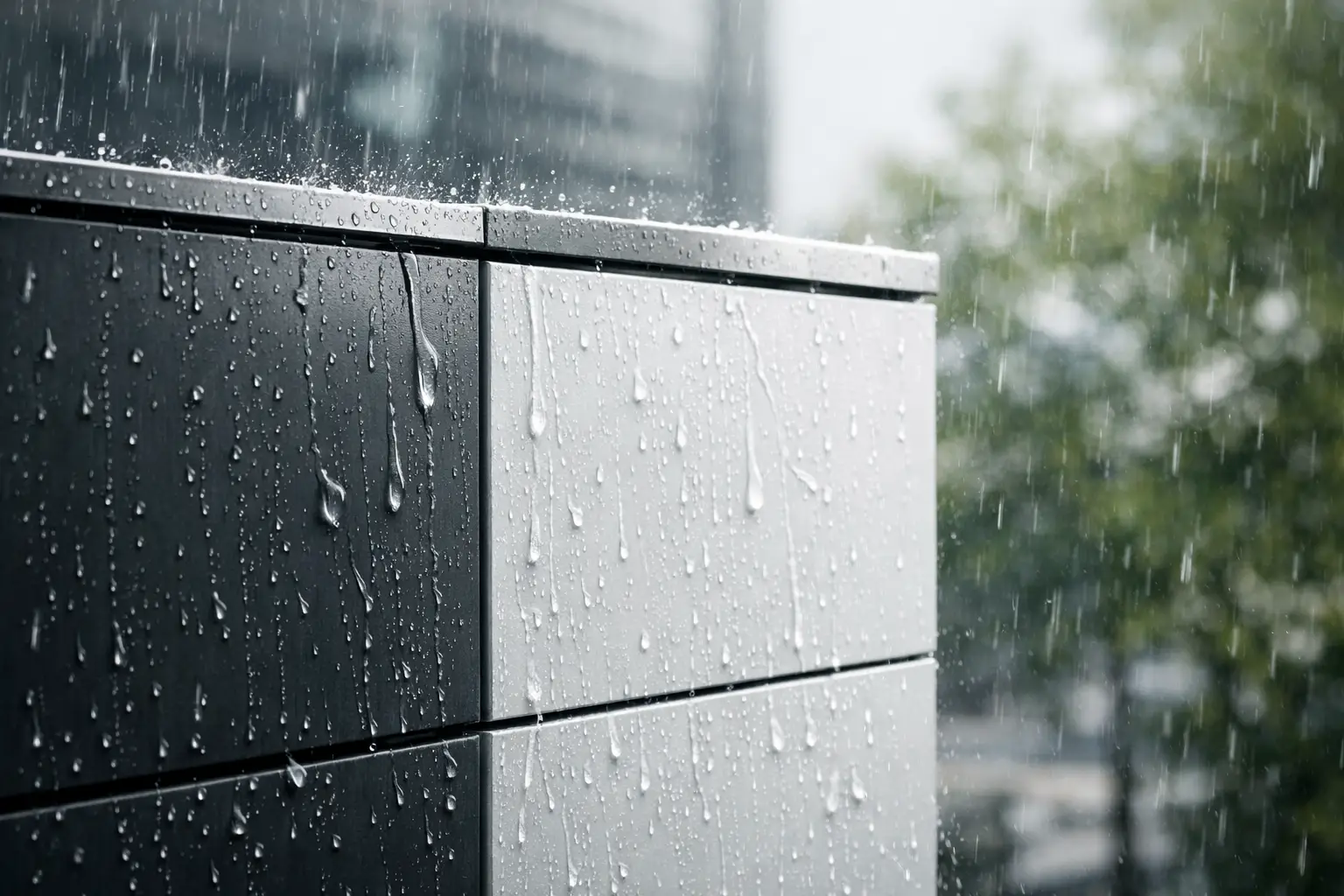
A rain shower, a poolside splash, or a humid bathroom should not force you to sacrifice a refined wood-look finish. But can composite panels get wet? The clear answer is yes, provided you choose a panel designed for the location and install it with the right allowance for water, airflow, and movement.
That distinction matters. “Composite panel” can describe several products with very different cores, finishes, and intended uses. An outdoor composite cladding board is built to handle changing weather conditions. An interior acoustic slat panel, even one with a durable decorative surface, is designed for a protected indoor setting. Treating them as interchangeable can turn a beautiful specification into an avoidable maintenance issue.
Can Composite Panels Get Wet Outdoors?
Outdoor composite wood panels are made for moisture exposure. They commonly combine wood fibers with recycled plastic and binding agents, creating a stable surface that delivers the warmth of timber without timber’s regular sealing, staining, and vulnerability to rot. Rainwater on the face of a properly specified composite panel is not a problem in the way it is for untreated natural wood.
Still, weather-resistant is not the same as indestructible. Exterior panels are exposed to more than rain. Sun, wind-driven water, dust, coastal air, pool chemicals, and daily temperature changes all affect how an installation performs over time. A premium exterior finish should be selected for its intended environment, not simply for its color or grain.
For a covered patio, courtyard wall, balcony feature, garden screen, or hospitality terrace, composite panels offer a practical way to introduce an architectural timber look with low ongoing maintenance. They can get wet, dry naturally, and continue to look considered without the cycle of sanding and resealing associated with many timber installations.
Water should move away, not sit behind the panels
The face of an exterior panel may tolerate rain very well, but trapped water behind the cladding is a different issue. Any exterior system needs a cavity or battens that allow ventilation and drainage. This helps the wall dry after heavy weather and reduces the likelihood of moisture collecting around fasteners, framing, or the building substrate.
Panels should also be installed according to the manufacturer’s specified expansion gaps. Composite materials can expand and contract as temperatures change. Crowding boards tightly together may cause bowing or pressure at joints, even when the panel itself is moisture resistant. The cleanest finished walls are usually the ones where these practical details were planned before the first board was fitted.
Not Every Composite Panel Belongs in a Wet Area
Interior acoustic slat wood panels create a very different result and serve a different purpose. Their layered construction often includes decorative wood-look slats, an acoustic felt backing, and an engineered core. This design can bring visual depth and improved sound control to bedrooms, lounges, offices, reception areas, meeting rooms, and hospitality interiors.
These panels are suited to normal indoor humidity, such as the changing conditions of a well-ventilated home. They are not generally intended for direct saturation, outdoor exposure, shower enclosures, or walls that are regularly sprayed with water. A bathroom feature wall positioned away from the shower may be possible where ventilation is strong and the product specification allows it. A shower wall is not the place to test the limits of a decorative acoustic panel.
The same care applies to kitchens and laundry spaces. Humidity alone is not necessarily a concern, but repeated splashes behind a sink, leaking appliances, or steam with no extraction can shorten the life of finishes and adhesives. If the room experiences persistent moisture, choose a wall surface specifically rated for wet-area use rather than relying on appearance alone.
The Difference Between Humidity, Splashes, and Saturation
Moisture questions become clearer when you separate the type of exposure. A covered outdoor wall may receive occasional windblown rain. A bathroom can experience brief periods of high humidity. A pool surround may be exposed to chlorinated splashes, while a shower wall is exposed to continual direct water. These are not equivalent conditions.
A suitable outdoor composite panel can manage rain and periodic splashing when installed correctly. A protected interior panel can manage normal household humidity but should not be treated as waterproof. Continuous saturation, standing water, or water entering unsealed wall cavities can create problems for almost any finish, including materials marketed for exterior use.
This is why the substrate matters as much as the visible panel. Before cladding a wall, confirm that it is dry, sound, and appropriate for the installation. Resolve rising damp, failed waterproofing, roof leaks, and damaged render first. Decorative panels should elevate a stable surface, not conceal an active moisture problem.
How to Install Composite Panels for Lasting Performance
A polished result begins with a practical installation plan. For exterior applications, the wall structure, battens, trims, fastening method, and drainage path need to work together. Trim pieces, corner edges, and end caps do more than create a neat architectural finish. They help protect exposed ends, manage transitions, and give the wall a more intentional, premium appearance.
Use corrosion-resistant fasteners in any damp or exterior setting, particularly near the coast or around pools. Standard steel fixings can stain surrounding surfaces as they corrode, which compromises an otherwise immaculate installation. Where the system calls for hidden clips or specific screws, follow that method rather than substituting hardware based on convenience.
Avoid sealing the bottom of an exterior cladding system in a way that blocks drainage. Water needs a route out. Likewise, do not install panels directly against a surface where moisture can become trapped without airflow. A ventilated cavity is a small design decision with a major effect on long-term performance.
For interior panels, let the product acclimate in the space before installation where recommended. Keep panels dry during storage, and avoid fitting them over wet plaster, freshly painted walls that have not cured, or areas with unresolved condensation. Adhesives and mechanical fixings perform best on clean, stable, dry surfaces.
Care After Rain, Splashes, and Everyday Use
One of composite cladding’s strongest appeals is its easy care. In most outdoor settings, a light rinse and soft brush are enough to remove dust, pollen, or surface dirt. Use mild soapy water for tougher marks, then rinse thoroughly. Avoid harsh solvents, abrasive pads, and pressure washing at close range, as these can damage the finish or force water into joints.
After an unusually heavy storm, a quick visual check is worthwhile. Look for leaves blocking drainage gaps, debris behind screening, loose trims, or water collecting at the base of the wall. These checks take minutes and help preserve the crisp lines that make composite cladding feel so elevated.
Interior acoustic panels need gentler care. Vacuum dust from the felt with a soft brush attachment, or wipe slats with a lightly damp cloth that has been well wrung out. Do not soak the felt backing, spray cleaners directly onto the surface, or allow water to sit at the bottom edge of the panel.
Choosing the Right Finish for the Space
The best panel is not simply the one that looks right in a sample. It is the one that balances the desired visual effect with the realities of the site. For a sun-exposed entertainment area, choose an exterior-rated composite solution and plan for airflow. For an office or media room, acoustic slat panels can introduce warmth while helping create a more composed sound environment. For a high-splash wet zone, specify a purpose-built wet-area finish.
At Inspiration Wood, the appeal of wood-inspired surfaces lies in this balance: a design-led finish that supports how a space is actually lived in, entertained in, or used professionally. When material and setting are matched with care, the result feels effortless, even though the details behind it have been thoughtfully considered.
Water does not need to limit your vision for a layered, timber-look exterior or a calm, textural interior. Specify for the conditions, allow the installation to breathe, and your panels can remain a defining part of the space long after the weather has passed.