

Blog
Eco Friendly Wall Panel Materials That Last

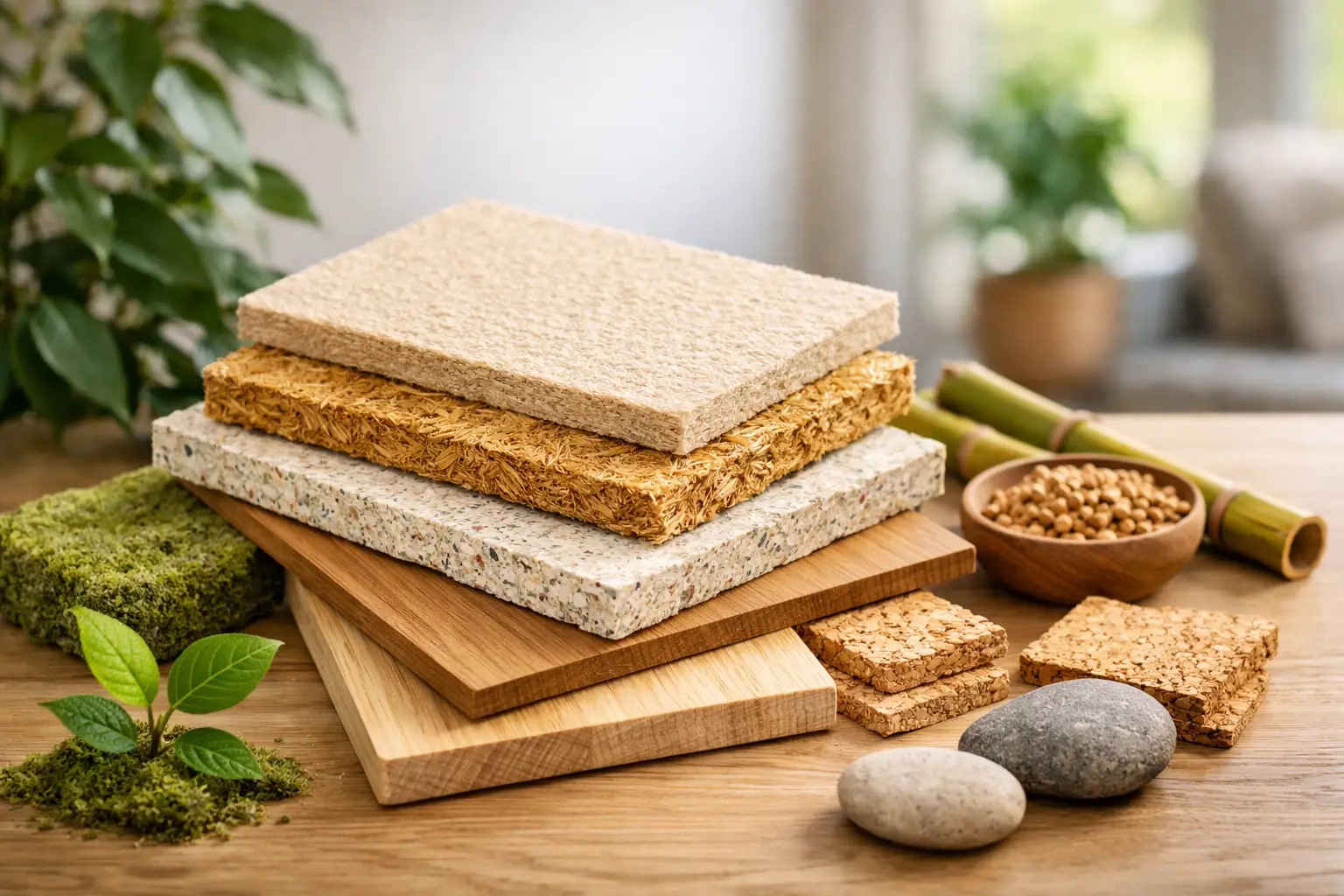
A wall finish should do more than photograph well on installation day. The right eco friendly wall panel materials can bring warmth, texture, and acoustic comfort to a room while reducing the maintenance, replacement, and waste often associated with conventional finishes. For a home renovation, a boutique hospitality space, or a high-traffic office, that balance is where considered design begins.
The most sustainable choice is rarely a single material with the greenest label. It is a panel that suits its setting, lasts for years, installs efficiently, and continues to look refined without demanding harsh cleaning products, frequent repainting, or premature replacement.
What Makes a Wall Panel Material Eco-Friendly?
A panel can be described as eco-conscious for several reasons: it may contain recycled content, use responsibly sourced wood, reduce demand for virgin materials, or offer a long service life with minimal upkeep. Material origin matters, but so does what happens after installation.
For example, a natural timber panel can be a beautiful and responsible option when the wood is sourced with care and finished for longevity. Yet it may not be the best choice in a humid bathroom, a busy restaurant, or an exposed outdoor area where moisture, movement, and regular maintenance can shorten its useful life. In those spaces, a durable composite alternative may create less waste over time because it resists the conditions that cause timber to split, fade, or deteriorate.
Thoughtful specification also considers installation. Lightweight, panelized products can reduce cutting waste and simplify labor on site. A finish that can be fitted over a sound existing surface may also avoid the unnecessary demolition of usable materials. Sustainability is not only about what a product is made from. It is about how intelligently it performs across its full lifespan.
Eco Friendly Wall Panel Materials Worth Considering
Acoustic slat panels with wood-inspired finishes
Acoustic slat wall panels bring a strong architectural rhythm to interiors while helping soften unwanted echo. Their defining structure – evenly spaced slats set against an acoustic backing – adds dimension without overwhelming a space. The result feels warm and tailored, whether used behind a bed, around a television wall, in a reception area, or across a boardroom ceiling.
From an environmental perspective, the appeal lies in combining several functions in one finish. Rather than installing separate decorative cladding and sound-management treatments, acoustic panels can contribute to both visual character and improved sound control. Better speech clarity in an office or restaurant is not merely a comfort feature. It can make a space more usable.
The trade-off is that not all acoustic panels are made alike. Ask about the composition of the backing, the finish, and the expected use environment. A panel designed for dry interior applications should remain there. Choosing the right product for the right room protects both its appearance and its lifespan.
Recycled composite wall panels
Composite wall panels often combine recycled wood fibers with recycled polymers to create a stable, wood-inspired surface. They are especially compelling for exterior walls, courtyard features, balconies, and other areas where natural timber would need ongoing sealing, staining, or repair.
Their practical advantage is durability. Quality composite panels are designed to stand up to moisture, sun exposure, and changing weather with far less maintenance than traditional wood. That can make them a sensible long-term material choice for projects that need natural texture without the cycle of stripping, refinishing, and replacement.
Composite is not automatically the right answer for every application. It does not offer the exact grain variation or aging behavior of solid wood, and its appearance should be assessed in the intended light before specifying a full installation. For exterior settings, however, its resistance to weather and low-maintenance character can outweigh those differences beautifully.
Responsibly sourced natural wood panels
There is no substitute for the tactile authenticity of real wood. Its grain, tonal variation, and ability to age with character make it a natural fit for carefully detailed interiors. Wood panels can be an excellent eco-conscious choice when the source is responsibly managed and the finish supports a long service life.
Natural timber asks more of the owner than engineered alternatives. It can react to humidity, direct sunlight, and moisture, and it may need periodic care to preserve its finish. This is not a drawback when the project calls for genuine material expression and the space allows for proper maintenance. It simply means the design decision should be deliberate.
Use real wood where its character can be appreciated and protected: feature walls in living areas, private studies, bedrooms, and carefully controlled hospitality interiors. In demanding wet or exposed locations, consider a material designed specifically for that performance requirement.
Reclaimed and recycled-content panels
Reclaimed timber and recycled-content panels can introduce a distinctive sense of history and resourcefulness. Reused wood may carry knots, marks, and color variation that cannot be manufactured, making it especially effective in hospitality, retail, and residential spaces seeking an individual point of view.
The key consideration is consistency. Reclaimed materials can vary substantially between batches, and sourcing enough matching stock for a large project may be difficult. Their character is part of the appeal, but designers and contractors should plan for variation, availability, and a more considered installation process.
Recycled-content panels offer a more controlled visual result. They can be a practical choice when the brief calls for uniformity, dependable stock availability, and reduced reliance on virgin raw materials.
Choosing Materials by Room, Not Just Appearance
The most successful wall schemes begin with the demands of the space. A serene bedroom feature wall and a busy restaurant entrance may both benefit from timber-inspired texture, but they need different levels of impact resistance, cleaning ease, and acoustic performance.
For living rooms and bedrooms, acoustic slat panels create a composed, elevated backdrop while helping make hard-surfaced rooms feel less echo-prone. In offices, meeting rooms, and reception areas, acoustic performance can support clearer conversations and a more focused atmosphere. A well-placed slat wall is both a visual signature and a practical response to sound.
For outdoor entertainment areas and facade details, weather-resistant composite panels are generally the wiser choice. They deliver the richness of wood tones without asking homeowners or commercial teams to constantly manage the effects of sun and rain. In spaces exposed to splashes, humidity, or frequent cleaning, always confirm that the panel system is rated for the intended conditions.
Look Beyond the Panel Itself
A refined installation depends on the complete system. Trims, corner edges, end slats, and finishing profiles create clean transitions and protect vulnerable edges. They also prevent the improvised detailing that can lead to visible gaps, excess offcuts, or an unfinished appearance.
Plan panel dimensions before ordering. A clear layout helps minimize waste, especially on large feature walls or ceiling installations. Consider where full panels can be used, where cuts will fall, and how corners or openings will be resolved. This small amount of planning can improve material efficiency and make the finished surface feel intentional from every angle.
Maintenance deserves the same attention. A panel that only needs gentle routine cleaning is often the more practical choice for a busy household, restaurant, or workplace. Avoid assuming that a natural-looking finish requires the same care as natural timber. Follow the manufacturer guidance for the specific material, particularly for exterior products and acoustic surfaces.
Design for a Longer Life
Trends move quickly, but good materials should not. Choose a color and profile that can live comfortably with changing furniture, artwork, and lighting rather than relying on a short-lived statement. Warm oak-inspired tones, deep walnut finishes, and restrained charcoal details tend to offer flexibility while still making a strong architectural impression.
It is also worth choosing a system that can evolve. If a room is renovated later, modular panels and coordinated accessories can make targeted updates easier than removing an entire built-up wall finish. That adaptability has real value in homes and commercial interiors alike.
At Inspiration Wood, the most compelling spaces are those where natural inspiration meets everyday performance. Select wall panels with care, specify them for the environment they will serve, and let the finish bring lasting calm, character, and purpose to the way people experience the room.