

Blog
Timber Look Cladding for Modern Spaces

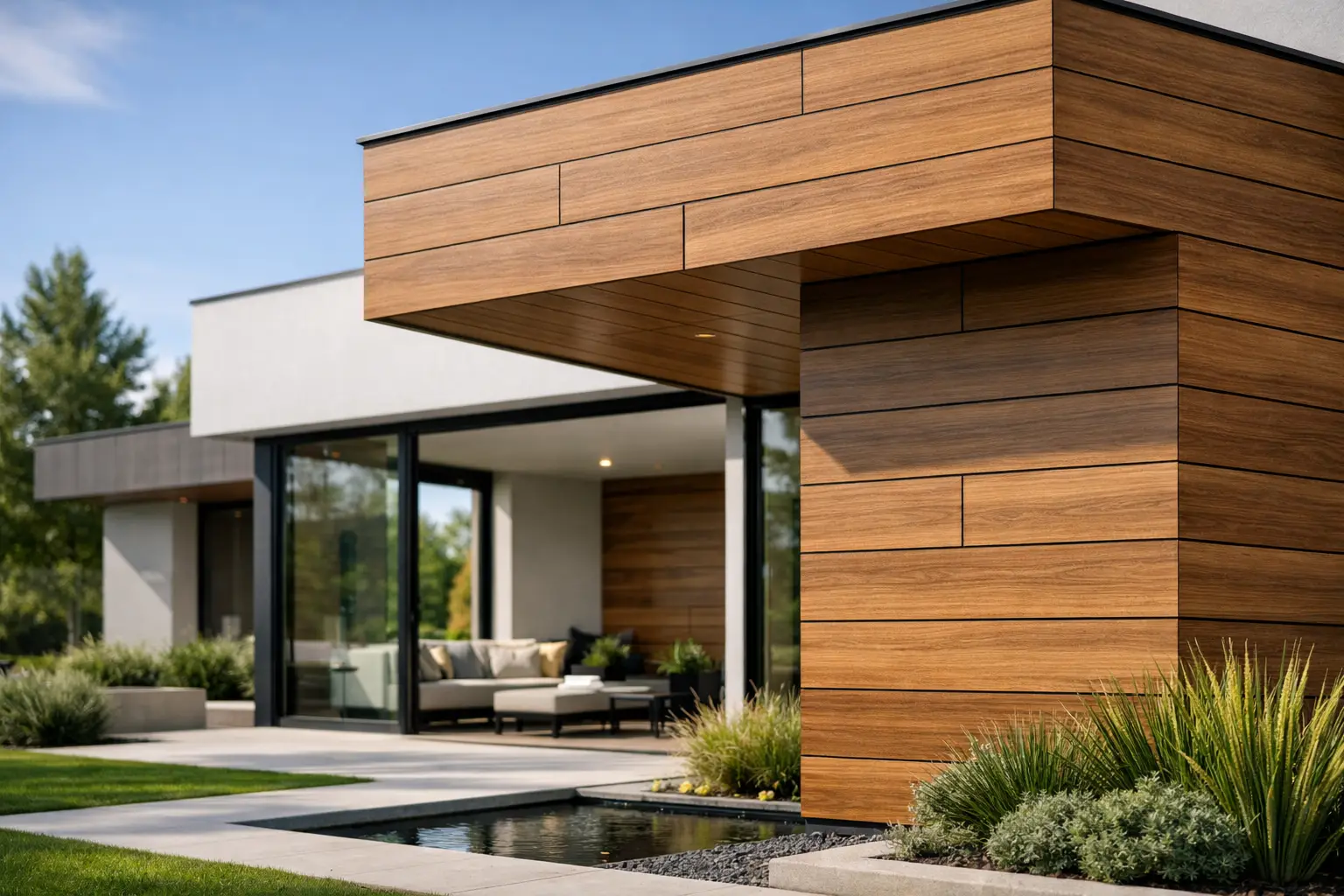
A wall finish can change the whole reading of a space. The right surface adds warmth, depth, and architectural character before furniture or styling even enters the picture. That is exactly why timber look cladding has become such a compelling choice for homeowners, designers, and commercial specifiers who want the richness of wood without the ongoing demands that come with traditional timber.
In premium residential and commercial design, surfaces need to do more than look good in a photograph. They need to hold their finish, work hard in daily use, and support a cleaner, faster installation process. Timber-inspired cladding answers that brief beautifully. It delivers the visual softness and natural rhythm of wood grain while meeting modern expectations around durability, maintenance, and performance.
Why timber look cladding works so well
There is a reason wood remains one of the most desired finishes in architecture and interiors. It makes a room feel more grounded. It introduces texture without feeling busy. It can lean contemporary, coastal, minimalist, or richly layered depending on the profile and tone.
The challenge, of course, is that real timber is not always the most practical choice. Exterior timber can weather unevenly, require regular sealing, and demand more care than many clients want to commit to. Interior applications can also become expensive and labor-intensive, especially at scale.
Timber look cladding offers a smarter route. It captures the visual appeal of natural wood while reducing many of the pain points associated with solid timber. For a modern home, a hospitality setting, a reception area, or an office fit-out, that balance matters. You get the warmth people respond to instinctively, paired with a finish designed for contemporary living.
Timber look cladding for interiors
Inside the home or workplace, cladding is often less about simple wall coverage and more about shaping atmosphere. A timber-look surface can soften a stark room, add dimension to a flat elevation, or frame a feature area with far more intention than paint alone.
In living rooms and bedrooms, it brings a sense of calm and refinement. On a TV wall, headboard backdrop, or ceiling detail, it creates visual structure without overwhelming the room. In offices, meeting rooms, and reception spaces, it helps interiors feel more considered and premium. In hospitality environments, it can shift the mood from purely functional to memorable.
This is where profile selection becomes important. Slatted styles add rhythm and shadow, which can make a space feel more architectural. Smoother panel systems give a cleaner, more monolithic look. Rich walnut-inspired tones feel luxurious and intimate, while lighter oak-style finishes keep the mood bright and contemporary.
Function matters here too. Some interior cladding solutions also contribute to acoustic comfort, which is especially valuable in open-plan homes, restaurants, boardrooms, and collaborative workspaces. A beautiful wall that also helps control echo is more than decorative – it improves how the space actually feels to use.
Timber look cladding for exteriors
Outside, the appeal is just as strong, but the performance brief is tougher. Sun, rain, temperature changes, and general exposure can be punishing on natural materials. That is why exterior timber alternatives have gained so much traction.
Timber look cladding gives façades, garden walls, patio zones, entrance features, and screening elements the warmth of wood with far less upkeep. Instead of planning for regular sanding, staining, or sealing, property owners can focus on the finished look and the long-term value of a low-maintenance material.
For residential exteriors, this can mean a more elevated street presence without the burden of constant care. For restaurants, hotels, retail spaces, and commercial developments, it means keeping a polished appearance in high-visibility areas where consistency matters.
That said, not every product suits every application. Interior decorative panels and exterior weather-resistant cladding are designed for different conditions. The right specification depends on sun exposure, moisture levels, ventilation, and the details of the substructure. A premium result always starts with choosing a system intended for the environment it will live in.
The biggest advantage: luxury without high maintenance
The strongest argument for timber look cladding is not that it imitates wood. It is that it gives you the emotional effect of wood in a format that better suits the way many people live and build today.
Most clients want materials that look elevated but do not create another maintenance cycle to manage. They want a finish that still feels special years later. They want installation to be efficient, not overly complicated. And they want confidence that the product will continue to perform in busy homes or demanding commercial spaces.
This is where wood-inspired composite and engineered cladding systems stand apart. They are typically more stable, more consistent in finish, and easier to care for than traditional timber. That does not mean every option is identical. Some products offer stronger UV resistance, some feel more textured and natural, and some are better suited to feature detailing than large-scale coverage. The practical win is that the category itself was built to solve real limitations of solid wood.
What to look for before you choose
A beautiful sample is only the beginning. To choose well, it helps to think beyond color and grain.
Start with the setting. Is the cladding going indoors, outdoors, or both? Will it be used in a quiet residential room, a busy hospitality venue, or an exterior elevation that takes full afternoon sun? Performance requirements shift depending on where the material is installed.
Next, consider the visual goal. Some spaces need a bold feature wall with deep texture and shadow lines. Others need a cleaner, quieter finish that supports the broader design palette. The scale of the profile matters too. Narrow slats can feel refined and detailed, while broader boards often create a calmer, more contemporary effect.
Then look at the practical side. Ask about maintenance expectations, substrate requirements, trims, corners, end details, and how the system resolves at edges. These details make the difference between a cladding installation that looks custom and one that feels unfinished.
Finally, think about consistency across the project. If you are designing a whole home or a commercial environment, you may want complementary accessories and finishing components that make the final result feel cohesive rather than improvised.
Where timber look cladding adds the most value
Some applications benefit from this material more than others. Feature walls are an obvious one because the texture creates instant focus. Ceiling applications can also be transformative, especially in open-plan spaces where the ceiling is part of the visual architecture rather than a blank surface overhead.
Exterior entrance zones are another strong use case. A timber-inspired finish around a front door, gate surround, or covered patio can make the property feel more expensive and more resolved. In commercial settings, reception desks, waiting areas, restaurant walls, and outdoor dining enclosures all benefit from the same effect.
There is also value in using cladding to solve visual imbalance. A plain wall can feel cold or unfinished. A large façade can feel flat. Timber-look surfaces introduce rhythm and warmth, helping these areas feel intentional without requiring an overly decorative approach.
Design confidence comes from balance
The best spaces rarely rely on one material doing all the work. Timber look cladding tends to perform best when it is part of a balanced palette. Pair it with stone, concrete, black detailing, textured neutrals, or soft layered lighting, and it gains even more presence.
It also helps to avoid overuse. A single well-placed feature can feel more luxurious than cladding every available surface. In a home, that may mean one statement wall and a coordinated outdoor moment. In a commercial setting, it may mean concentrating the finish where customers first arrive or where the brand experience needs the most impact.
That sense of restraint is often what gives a project its premium quality. The material already carries warmth and character. It does not need to shout.
For those building or renovating with a long view, timber look cladding offers a rare combination of beauty and practicality. It brings nature into the design language of a space while staying aligned with how modern projects are delivered and maintained. When chosen thoughtfully, it does more than cover a wall – it gives the room, façade, or venue a stronger identity. If you want a finish that feels refined on day one and still makes sense long after installation, this is one of the smartest surfaces to build around.