

Blog
Best Ceiling Panels for Offices That Work

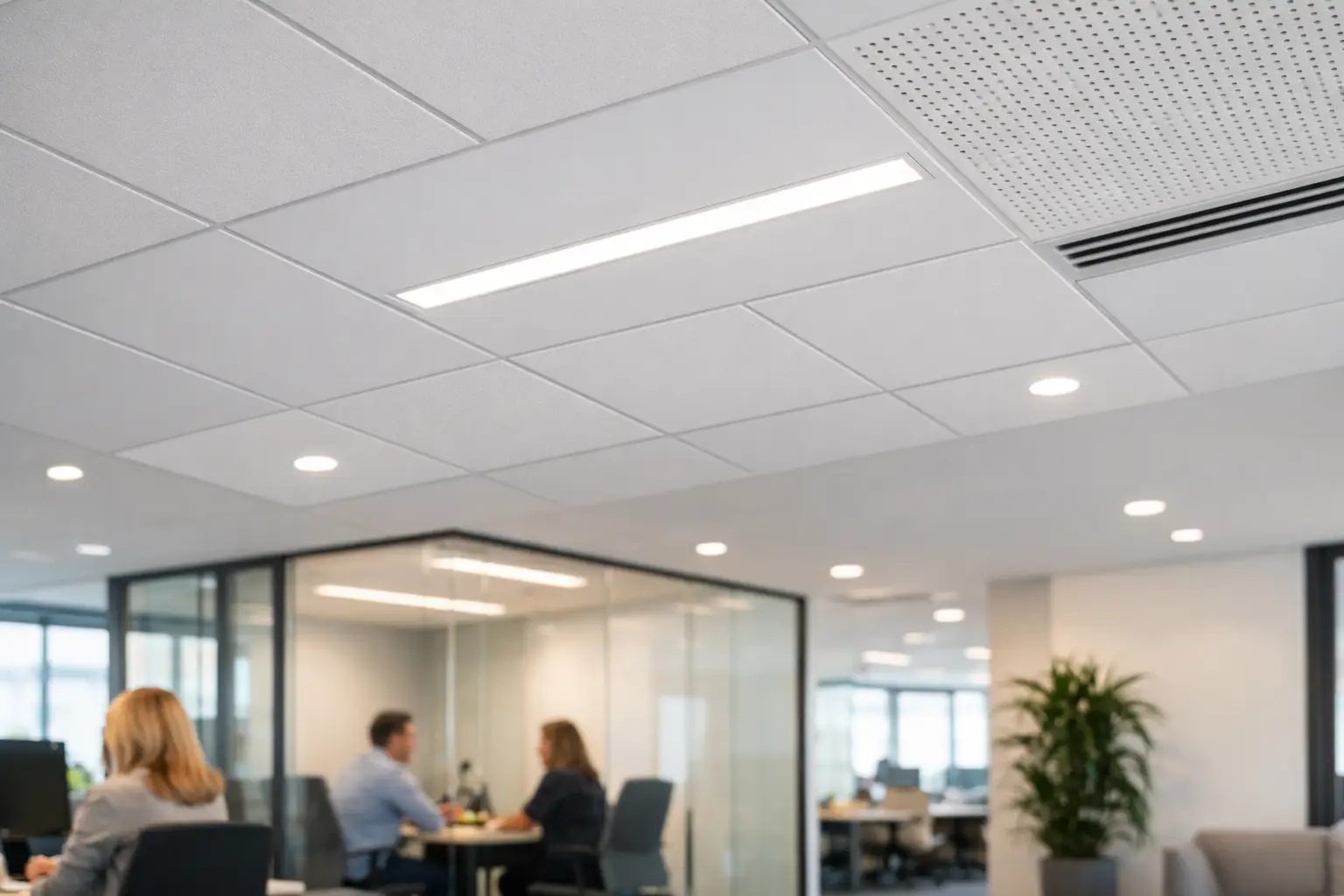
A beautiful office can still fail the moment it sounds harsh. If meetings echo, phone calls carry, and open-plan zones feel restless, the finish overhead is often part of the problem. The best ceiling panels for offices do more than tidy up a ceiling line – they shape acoustics, influence light, support the design language, and help people work with less distraction.
That is why ceiling specification should never be treated as an afterthought. In a private boardroom, the right panel can improve speech clarity and create a more composed atmosphere. In a reception area, it can deliver a stronger first impression. In open offices, it can soften noise while giving the space a more refined architectural finish.
What makes the best ceiling panels for offices?
The answer depends on what the office needs most. Some spaces are driven by acoustics. Others need a premium visual statement, easy maintenance, concealed services, or faster installation. The strongest choices usually balance performance and appearance rather than leaning too far into one.
Acoustic control is often the first priority. Hard surfaces such as glass, concrete, and tile create reflection, which builds background noise and makes conversation feel sharper than it should. Ceiling panels that absorb sound can reduce reverberation and make a workplace feel calmer almost immediately.
Aesthetics matter just as much in client-facing spaces. A flat, generic ceiling may be functional, but it rarely adds value to the interior. Designers are increasingly looking for ceiling finishes that feel integrated with the rest of the palette, especially where natural textures, warm neutrals, and clean architectural lines define the scheme.
Then there is practicality. Some offices need access to plumbing, cabling, HVAC, and lighting. Others want a continuous ceiling plane with minimal visual interruption. There is no single panel that wins every time. The right choice comes from understanding how the space is used, what the visual brief requires, and how much acoustic improvement is actually needed.
Acoustic slat wood panels for premium office interiors
If the brief is to create a workplace that feels elevated and performs well acoustically, acoustic slat wood panels stand out quickly. They combine warm wood-inspired design with sound-absorbing backing, giving offices a finish that feels both architectural and highly usable.
This is especially effective in meeting rooms, executive offices, reception spaces, focus rooms, and collaborative zones where noise control and visual impact carry equal weight. The linear slat profile adds rhythm and depth to a ceiling, while the acoustic layer helps soften reflected sound. The result is a space that feels more considered, more comfortable, and more professional.
There is also a practical advantage. Compared with traditional timber ceiling detailing, premium slat systems can offer a cleaner installation route and lower ongoing maintenance. For commercial interiors where appearance needs to stay sharp over time, that matters. A wood-inspired ceiling brings warmth without the same level of upkeep associated with natural timber.
For brands and designers aiming to move an office away from the anonymous corporate look, this category offers something stronger than a standard suspended tile. It creates identity. That is part of why design-led suppliers such as Inspiration Wood have seen growing interest in acoustic wood-look systems for modern workspaces.
Mineral fiber panels for budget-conscious acoustic control
Mineral fiber remains one of the most common choices in office ceilings, mainly because it is accessible, familiar, and usually cost-effective. In practical terms, it can perform well in standard commercial environments where acoustic absorption matters more than statement design.
It suits large open-plan offices, back-of-house work areas, and fit-outs where keeping costs controlled is central to the project. It also works within traditional suspended ceiling grids, which makes service access relatively simple.
The trade-off is visual character. Mineral fiber panels can look flat and purely functional, especially in higher-end offices where the rest of the interior has a more curated feel. They solve a problem, but they rarely elevate the room. If the goal is to create a workplace with warmth, texture, and a premium brand presence, mineral fiber may feel too generic.
Gypsum ceiling panels for clean, minimal spaces
Gypsum board ceilings appeal to offices that want a sleek, monolithic finish. They create a crisp plane overhead and work well in minimalist interiors, executive spaces, and reception areas where a seamless look is more important than service access.
This option can be visually elegant, particularly when paired with recessed lighting and restrained detailing. It gives a room a polished, built-in quality that many designers value.
The issue is acoustic performance. Standard gypsum is reflective, so unless it is paired with acoustic treatment elsewhere, it may worsen echo in glass-heavy or hard-surfaced offices. It also makes maintenance and ceiling access less convenient than a modular system. For spaces where acoustics are already challenging, gypsum usually needs support from acoustic wall finishes, soft furnishings, or specialist inserts.
Metal ceiling panels for durability and a technical look
Metal panels are often chosen for contemporary commercial interiors, transport-linked buildings, healthcare-adjacent offices, or high-traffic areas that require durability and easy cleaning. They can look sharp, precise, and intentionally modern.
In some schemes, that precision is exactly right. A metal ceiling can reinforce a sleek corporate language or complement industrial-inspired architecture. Perforated metal options can also assist with acoustics when paired with acoustic backing.
Still, metal is not always the easiest route to warmth. In offices trying to feel welcoming, creative, or hospitality-led, it can read as cool unless balanced carefully with softer materials. It is a strong technical finish, but not always the most inviting one.
PET felt panels for modern acoustic performance
PET felt ceiling panels have become more visible in contemporary office design because they offer acoustic absorption, lighter visual weight, and a more expressive design language. They can appear as flat panels, baffles, or shaped ceiling features.
They are useful in collaborative spaces, creative studios, and breakout areas where designers want sound control without relying on a conventional suspended grid. Many also appreciate their sustainability story, since PET felt products are often associated with recycled content.
The limitation is aesthetic fit. Felt can look smart and modern, but it carries a softer, more casual character than slat wood or refined gypsum detailing. In premium offices, that may be ideal in selected zones, though less convincing in formal boardrooms or reception areas where a more luxurious finish is required.
How to choose the best ceiling panels for offices by space type
Different office zones ask for different things, and this is where better decisions are made. A boardroom needs speech clarity and presence. A reception space needs visual impact. Open-plan desks need broad acoustic support. Quiet rooms need stronger absorption than people often expect.
For executive and client-facing spaces, acoustic slat wood panels are often among the strongest choices because they combine performance with a premium finish. They help the room sound better, but they also make it feel intentionally designed.
For large work floors with strict budgets, mineral fiber may still make sense, particularly where ceilings need to remain serviceable and visually understated. For minimalist private offices, gypsum can work beautifully if acoustics are handled elsewhere. For energetic, collaborative zones, PET felt or suspended acoustic forms may give more targeted sound control.
Lighting and ceiling height should also shape the decision. Darker or heavily textured panels can make a low ceiling feel lower if used carelessly. In generous volumes, however, a more sculptural ceiling treatment can add richness and proportion. Offices with exposed services may benefit from suspended acoustic elements instead of a full closed ceiling.
The design shift away from generic office ceilings
There is a clear move toward offices that feel less corporate and more experience-driven. Employers want spaces that encourage focus, reflect brand quality, and help people feel good being there. That changes what is expected from a ceiling.
A plain white tile grid still has its place, but it no longer defines the aspirational end of workplace design. Natural textures, acoustic detailing, and finishes with more architectural depth are becoming central to how offices express quality. Ceilings are no longer just technical surfaces. They are part of the atmosphere.
That is why the best choice is rarely the cheapest one in the short term. A ceiling affects how a workplace looks, sounds, and is remembered. When chosen well, it supports productivity, comfort, and brand perception at the same time.
If you are deciding between options, start with the experience you want people to have in the room. Once that is clear, the right ceiling panel usually becomes easier to see.