

Blog
Composite Wall Panels for Modern Spaces

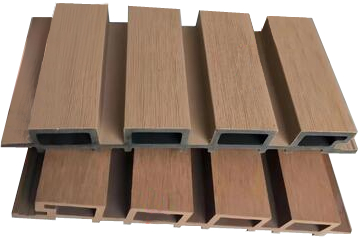
A plain wall can make an otherwise well-designed room feel unfinished. Composite wall panels change that quickly, adding warmth, texture, and architectural presence without the constant upkeep that traditional timber often demands. For homeowners, designers, and commercial specifiers, that balance of visual impact and practical performance is exactly what makes them such a compelling choice.
Why composite wall panels are gaining ground
The appeal starts with the finish. Composite panels offer the natural character people want from wood-inspired surfaces, but in a format designed for modern living. Clean lines, refined textures, and consistent color create a polished result that suits contemporary homes, hospitality interiors, offices, and exterior feature walls.
There is also a practical reason they are showing up in more projects. Traditional wood can be beautiful, but it asks more of the space over time. Depending on the application, it may need sealing, staining, careful protection from moisture, or more frequent maintenance to preserve its appearance. Composite alternatives are built for people who want design confidence without turning every wall treatment into a long-term maintenance commitment.
That matters in real spaces. A family home needs finishes that still look considered after daily use. A restaurant needs surfaces that support the atmosphere while standing up to traffic. An office needs materials that feel elevated, install efficiently, and continue to perform well. Composite panels answer those needs with a premium look and a more forgiving ownership experience.
What composite wall panels actually do well
Composite wall panels are often chosen for their appearance first, but their value goes well beyond aesthetics. They create a finished, architectural look that can make a room feel more intentional. In exterior settings, they help define facades, garden walls, and entertainment areas with a warmer, more design-led surface than painted masonry or plain cladding.
Durability is one of the strongest advantages. Good-quality composite panels are made to resist the issues that tend to shorten the life of natural materials in demanding settings. That can include moisture exposure, weathering, fading, and day-to-day wear, although performance always depends on the specific product and whether it is designed for indoor or outdoor use.
Low maintenance is another major reason they make sense. For many buyers, the real luxury is not just how a wall looks on installation day. It is how good it still looks months and years later without constant sanding, sealing, repainting, or repair. A quick clean and basic care routine are often enough to keep composite finishes looking sharp.
Installation is part of the appeal too. Compared with some traditional wall treatments, panel systems can make projects faster and cleaner to complete. That is useful for renovations where timelines matter and for commercial environments where downtime has a cost.
Interior applications that feel elevated, not overdone
Inside the home, composite wall panels work best when they are used with intention. A full room wrap can feel dramatic, but often a single feature wall delivers the strongest result. Living rooms, bedroom headboard walls, entryways, home offices, and media rooms all benefit from the added depth and texture.
The reason they feel premium is that they do more than add decoration. They give a surface rhythm. Vertical lines can make ceilings feel taller. Wood-look tones can soften hard contemporary interiors. Darker finishes add mood and definition, while lighter finishes keep spaces calm and airy.
In commercial interiors, the effect is similar but the priorities shift slightly. Reception areas, meeting rooms, restaurants, boutique retail spaces, and hospitality venues use paneling to create atmosphere and brand presence. The wall becomes part of the customer experience. It signals quality, attention to detail, and a more curated environment.
This is also where performance should guide design choices. In some interiors, acoustic panel solutions may be the better fit if sound absorption is a key requirement. In others, a decorative composite finish is the right answer when durability, visual warmth, and low upkeep matter most. The best specification comes from matching the product to the problem, not forcing one solution into every setting.
Composite wall panels for outdoor use
Exterior applications are where composite materials often prove their value most clearly. Sun, rain, temperature shifts, and general exposure can be hard on natural finishes. Composite wall panels designed for outdoor use bring a more resilient approach while still offering the organic appearance people associate with timber.
They work especially well in entertainment areas, boundary walls, facades, balcony features, outdoor kitchens, and poolside settings. These are places where clients want a sophisticated finish, but they also want materials that can cope with the environment.
That said, outdoor specification is never one-size-fits-all. Product quality, UV resistance, fixing systems, ventilation requirements, and installation details all affect performance. A premium panel with proper trims and edge finishing will usually deliver a far cleaner and longer-lasting result than a budget option installed without attention to detail.
For architects and contractors, that means the surrounding system matters almost as much as the panel itself. Corner edges, end trims, and transitions help the finished installation look complete rather than improvised. In design-led projects, those finishing components are not extras. They are part of the overall standard of the result.
How to choose the right panel for your project
The right choice starts with location. Interior and exterior products are not interchangeable, and performance expectations should be set accordingly. If a wall is exposed to weather, direct sun, or moisture, choose a panel specifically engineered for that environment.
Then consider the visual direction of the space. Are you after warmth and softness, or contrast and drama? Do you want a narrow linear look, a broader board effect, or a more sculpted surface? Composite finishes can feel distinctly modern, quietly natural, or boldly architectural depending on profile and tone.
Scale matters more than many buyers expect. A compact powder room, a double-volume entrance, and a large restaurant each ask for a different design response. The same panel can feel elegant in one setting and heavy in another. Looking at sample sizes, light conditions, and viewing distance helps avoid expensive guesswork.
Installation method should be part of the selection process early on. Some projects suit confident DIY installation, especially feature walls in controlled interior environments. Others benefit from experienced installers, particularly outdoors or in commercial settings where alignment, expansion allowances, and finishing details need to be exact.
Budget should be evaluated through the full life of the product, not just the purchase price. A less expensive material that requires regular upkeep, repairs, or early replacement may cost more over time than a premium composite system. For many clients, the smarter investment is the one that protects both the design vision and the maintenance budget.
Where the trade-offs are
No material is perfect for every application, and a credible specification always involves trade-offs. Composite wall panels offer consistency and ease, but some buyers still prefer the unique grain variation and aging character of real timber. That preference is valid, especially in highly bespoke residential work.
There is also a difference between entry-level and premium composite products. Better products usually deliver stronger color stability, more refined finishes, better structural integrity, and a more convincing wood-inspired appearance. If the goal is a luxury result, quality shows.
For interior spaces where sound control is the primary issue, decorative composite panels alone may not solve the acoustic problem. In those cases, an acoustic slat system or a combination of materials may be more effective. Design-led decisions work best when they are honest about what the product can and cannot do.
Brands that specialize in architectural surfaces, including Inspiration Wood, tend to understand this balance well. The strongest results come from choosing a panel system not just because it looks beautiful in a photo, but because it is suited to the way the space will actually be used.
The real value is how the space feels after
A wall finish should do more than cover a surface. It should shape the experience of the room or exterior area around it. Composite wall panels bring that rare combination of visual richness and practical ease, which is why they continue to appeal to both private clients and design professionals.
When chosen well, they make spaces feel more resolved, more modern, and more considered. And that is often the difference between a project that simply looks finished and one that feels unmistakably elevated.