

Blog
Shop Interior Wall Cladding That Sells

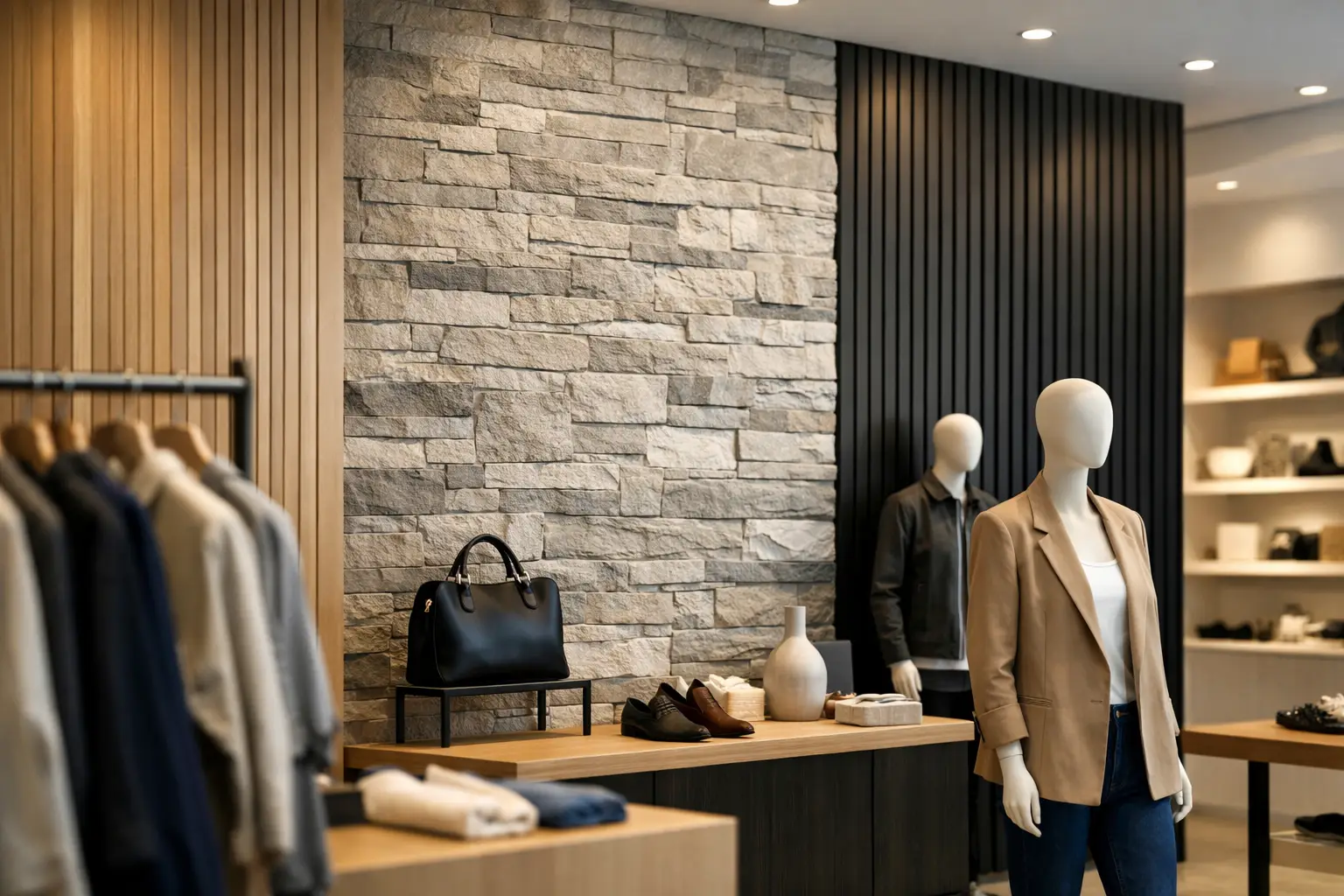
The fastest way to make a retail space feel forgettable is to leave the walls as an afterthought. Shop interior wall cladding changes that immediately. It gives a store depth, identity, and a stronger sense of finish, while also solving practical issues like scuffs, noise, and ongoing maintenance.
For retailers, designers, and shopfitters, the wall surface is never just background. It shapes how merchandise is perceived, how long customers want to stay, and whether the space feels premium, playful, calm, or purely transactional. The right cladding helps a shop look intentional from the entrance to the fitting room.
Why shop interior wall cladding matters in retail
A well-designed store has to work hard. It needs to attract attention, support the brand, withstand foot traffic, and still look polished after months of daily use. Paint alone rarely does all of that well. It can mark easily, show uneven wear, and feel visually flat in spaces that need character.
Shop interior wall cladding brings more control to the design. Wood-look slats, grooved panels, composite surfaces, and decorative systems introduce texture, rhythm, and warmth that paint cannot replicate. In fashion retail, that can mean a more elevated fitting area or feature wall behind display rails. In hospitality-led retail, it can create a richer, more immersive atmosphere. In service-based environments, it can help make the space feel calmer and more professional.
There is also a performance angle. Some cladding systems offer acoustic benefits, which matters in shops where hard surfaces can make voices bounce and ambient noise build quickly. Others are chosen for impact resistance, easy cleaning, or a lower-maintenance finish than traditional timber.
Choosing shop interior wall cladding for the right effect
Not every retail interior needs the same visual language. A luxury boutique and a high-turnover convenience store have very different demands, even if both want a polished result. That is why material choice should start with the customer experience you want to create.
For premium warmth and visual depth
Wood-inspired wall panels are a natural fit when the goal is refinement. Slatted finishes, in particular, add shadow lines and dimension that make a shop feel more architectural. They bring softness to glass, tile, and metal-heavy interiors, which is useful in modern retail schemes that can otherwise feel cold.
This style works especially well in boutiques, beauty spaces, jewelry counters, reception zones, fitting areas, and branded feature walls. It gives the eye somewhere to rest while still feeling sophisticated. When acoustic backing is part of the panel construction, it can also improve the feel of the space, not just the look.
For durability in busy zones
Some areas simply take more abuse than others. Cash wrap counters, corridors, queue lines, and lower wall sections are prone to knocks, bags, shoes, and cleaning equipment. In those cases, shop interior wall cladding should be chosen for resilience as much as appearance.
Composite and engineered panel systems often make more sense here than delicate finishes. They provide a cleaner, more consistent look over time and reduce the cycle of touching up, repainting, or replacing damaged sections. That matters for stores that cannot afford frequent disruption.
For branded impact
Cladding can also act as part of the brand system. A distinctive wood tone, groove pattern, or slatted backdrop can become a recognizable part of the store identity across multiple locations. For rollouts and franchises, this consistency is valuable. It helps each branch feel aligned without making the design feel generic.
The key is restraint. If every wall is heavily detailed, the shop can start to feel busy. Feature placement matters more than quantity.
Where cladding works best inside a shop
The most successful retail interiors tend to use wall cladding selectively. That approach keeps the effect premium and allows the product to frame the customer journey.
Entry walls are a strong starting point because they set the tone before a shopper has even engaged with merchandise. Behind the checkout, cladding can anchor the service area and make the final point of contact feel more considered. In fitting rooms, it adds comfort and visual softness, which can subtly improve the customer experience.
Display zones benefit too, especially when the wall finish complements the merchandise rather than competing with it. Slatted panels can work beautifully behind shelves or hanging rails because they add texture without needing loud pattern. In cafés, showrooms, and hybrid retail spaces, acoustic wall cladding can help control reverberation and make conversation easier.
The design trade-offs worth thinking through
Premium finishes always involve choices. The best one depends on budget, brand positioning, and how the space operates day to day.
Natural timber has undeniable appeal, but it often comes with more upkeep, more installation variability, and greater sensitivity to moisture, wear, or movement. A high-quality wood-inspired alternative can deliver the same richness with greater consistency and lower maintenance. For many commercial interiors, that is the more practical investment.
Highly textured cladding looks beautiful, but it may require more thoughtful cleaning in certain retail settings. Very dark finishes can feel dramatic and elegant, yet they may make small shops seem tighter if lighting is not handled properly. Pale wood tones feel open and contemporary, but they need enough contrast in the rest of the scheme to avoid looking washed out.
This is where design and function need to meet. A wall finish should photograph well, support the brand, and hold up in real use. If one of those is missing, the result will feel compromised.
Installation matters more than many retailers expect
A beautiful panel can still disappoint if it is poorly installed. In commercial interiors, clean alignment, precise edges, and thoughtful transitions make all the difference. Corners, trims, end details, and joins should never feel like an afterthought.
This is one reason modular panel systems have become more attractive for shop interior wall cladding. They offer predictable sizing, faster installation, and a more controlled finish than many site-built alternatives. That helps shopfitters work more efficiently and gives store owners a clearer sense of timing and outcome.
For refurbishment projects, speed matters even more. A system that installs cleanly and reduces wet trades can shorten downtime and simplify planning. Retail environments are rarely forgiving of delays.
Acoustics and atmosphere are part of the sales experience
Retail design is often discussed visually, but sound has a major effect on how a space feels. Hard floors, exposed ceilings, glazing, and open layouts can make stores noisier than they look. When sound becomes harsh, even a beautifully designed shop can feel stressful.
Acoustic slat panels offer a more balanced solution where aesthetics and comfort need to work together. They soften echo, improve speech clarity, and create a more composed atmosphere. That is especially valuable in consultation areas, luxury retail, beauty spaces, reception-led stores, and showrooms where conversation supports the sale.
A calmer sound profile can also influence how long customers stay. People tend to linger in spaces that feel comfortable, and comfort is never only visual.
What to look for in a premium wall cladding solution
Good retail cladding should do more than cover a wall. It should elevate the environment, support daily use, and feel aligned with the level of the brand. That means looking beyond surface appearance.
Material stability, finish consistency, ease of maintenance, and accessory options all matter. So does the ability to achieve a complete, resolved look with trims, corner details, and matching components. If a product photographs beautifully but is difficult to finish neatly on site, it may not deliver the standard the space deserves.
A specialist product-led brand like Inspiration Wood understands that customers are not only buying panels. They are buying certainty – in the finish, in the visual impact, and in the practicality of bringing the design to life.
Shop interior wall cladding as a long-term investment
Retail interiors need to justify themselves. Every surface contributes to how the business is perceived, how the team works, and how often the space needs attention. That is why wall cladding should be treated as part of the operating strategy, not just the decorating budget.
When chosen well, it supports merchandising, reinforces brand character, reduces maintenance pressure, and gives the entire shop a more finished presence. It can make a compact store feel layered and intentional, or help a large one feel warmer and more human.
The best shop interiors rarely rely on excess. They rely on smart materials, well placed. If the walls can carry elegance, texture, and performance at the same time, the whole space starts to work harder – and look far more memorable while doing it.