

Blog
Meeting Room Acoustic Solutions That Work

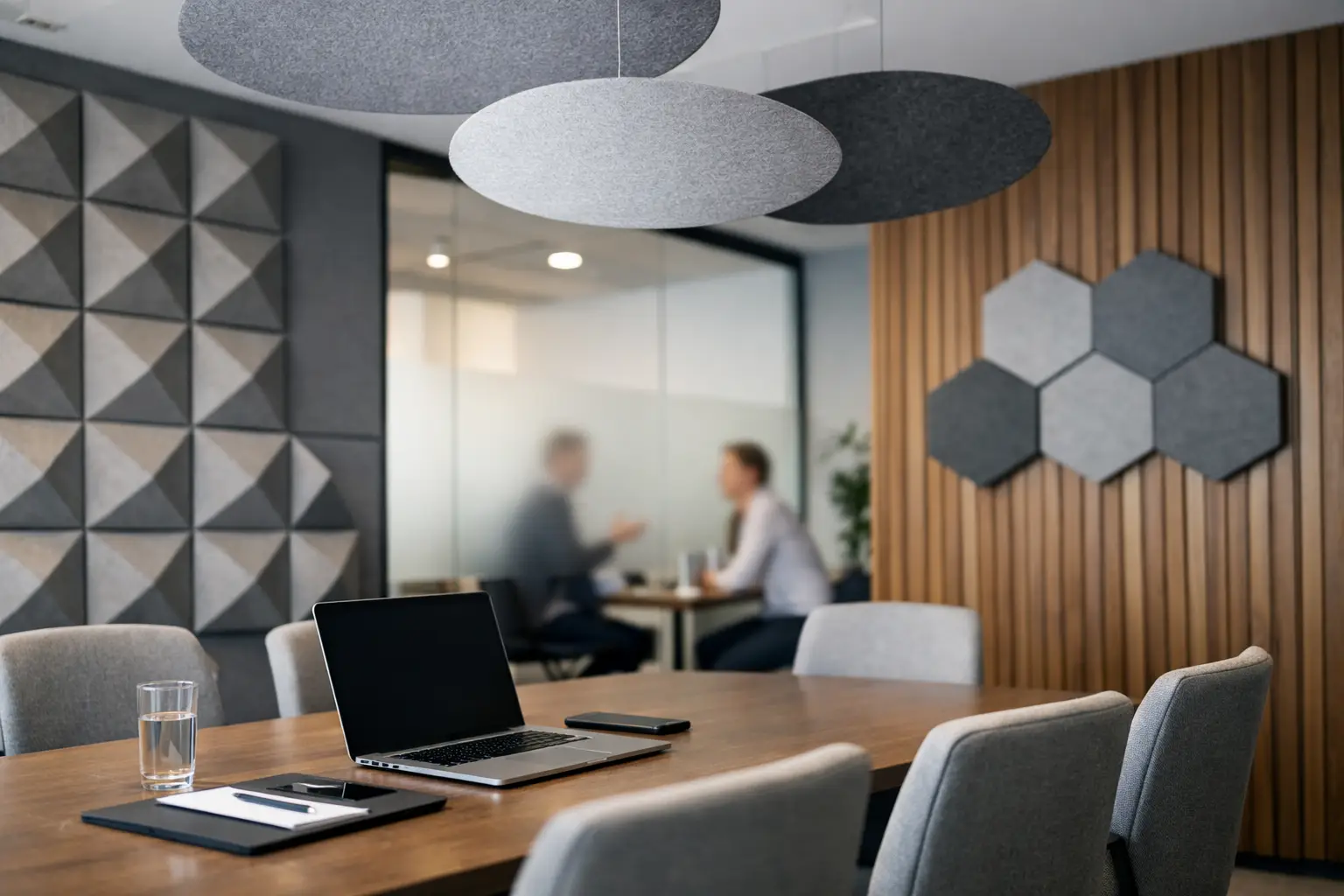
One bad meeting can usually be traced to one invisible problem. People speak over each other, the far end of the table misses key points, video calls sound hollow, and the room feels more tiring than it should. That is why meeting room acoustic solutions matter far beyond comfort. They shape how clearly people communicate, how confidently ideas are presented, and how polished the space feels to everyone who uses it.
In a well-designed office, acoustics should never be an afterthought. The best meeting rooms support concentration without looking overly technical or sterile. They feel calm, refined, and easy to work in. For architects, designers, business owners, and renovators, that balance matters. A room must perform well, but it also needs to reflect the standard of the brand behind it.
Why meeting room acoustic solutions matter so much
Meeting rooms are small pressure points within a larger workplace. A casual breakout area can tolerate a bit of background noise. A boardroom or client-facing meeting space cannot. When speech is unclear, every conversation takes more effort. People repeat themselves, important details get lost, and virtual meetings become frustrating for everyone involved.
The problem is rarely just volume. In most cases, it is reverberation. Sound reflects off hard surfaces like glass, drywall, concrete, stone, laminate flooring, and large tables. Instead of fading quickly, speech lingers and bounces around the room. The result is a space that sounds sharp, echoey, and mentally draining.
That is where acoustic treatment changes the experience. It reduces reflected sound, improves speech intelligibility, and gives the room a softer, more composed feel. This is especially valuable in modern offices, where clean lines and minimalist finishes often increase echo rather than control it.
What causes poor acoustics in meeting rooms
Most acoustic issues come from a combination of room shape, surface materials, and furniture choices. A glass-heavy meeting room may look impressive, but it often becomes one of the hardest environments for conversation. Large uninterrupted walls, exposed ceilings, tiled or polished floors, and slim furniture profiles all contribute to reflection.
Even a beautifully finished room can underperform if too many surfaces are hard and smooth. Open-plan offices create another challenge. Noise from surrounding work areas can spill into meeting rooms, while discussions inside can leak out, reducing privacy and focus.
This is why one quick fix is rarely enough. A rug may soften footfall. Upholstered chairs may help slightly. Thick curtains may reduce some reflection if the room includes glazing. But if the wall and ceiling surfaces remain highly reflective, the room can still sound uncomfortable.
The most effective meeting room acoustic solutions
The most successful spaces usually combine visual restraint with acoustic intent. Rather than filling a room with obvious technical panels, many designers now choose architectural finishes that absorb sound while elevating the interior.
Acoustic wall panels
Wall panels are often the most practical starting point because they target the surfaces where sound reflections are strongest. Acoustic slat wood panels are especially effective in meeting rooms because they blend warmth, texture, and sound absorption in one finish. They soften the room visually while improving how speech travels within the space.
This matters in client-facing environments where appearance carries weight. A meeting room should feel considered, not improvised. Panels with a premium wood-inspired finish offer a more design-led alternative to purely utilitarian acoustic boards.
Placement matters as much as material choice. Treating one feature wall can make a noticeable difference in a smaller room, but larger spaces often benefit from treatment across more than one surface. The goal is not to cover every wall. It is to interrupt reflection paths where they matter most.
Acoustic ceiling treatment
When the ceiling is left untreated, sound has a large reflective plane overhead. This is especially true in rooms with concrete slabs, suspended hard ceilings, or minimal fittings. Acoustic ceiling solutions help bring balance to the room, particularly where wall coverage needs to remain selective for visual reasons.
In some interiors, integrating acoustic slat panels onto the ceiling creates a strong architectural effect while improving overall comfort. It can also help unify the room if the design language carries from wall to ceiling.
Soft furnishings and supportive finishes
Furniture and decorative finishes still play a role, even if they are not the primary acoustic solution. Upholstered seating, rugs, curtains, and textured surfaces all help reduce harshness. They are supportive rather than transformative, but together they can improve the final result.
This is often where nuance matters. If a meeting room already has acoustic wall treatment, softer furnishings can complete the space. If the room has no dedicated acoustic treatment at all, soft furnishings alone may not solve the issue.
How to choose the right acoustic approach
The best choice depends on how the room is used. A compact internal meeting room for four people has different demands than a glass-wrapped boardroom designed for presentations and hybrid calls.
If speech clarity is the priority, focus on absorption rather than decoration alone. If the room also needs to impress clients, choose finishes that contribute to the design story. If installation speed matters, look for solutions that are straightforward to fit and do not require a major rebuild.
Budget also shapes the answer, but the cheapest option is not always the best value. Poor acoustics affect productivity, meeting quality, and the perceived professionalism of a business. Investing in a finish that performs well and looks refined often delivers more long-term value than a temporary fix.
For designers and specifiers, consistency matters too. Using a premium acoustic finish that aligns with the rest of the project helps the room feel integrated rather than patched together. This is where product-led solutions stand out. They simplify specification while maintaining aesthetic control.
Meeting room acoustic solutions and visual design should work together
There was a time when acoustic treatment was treated as a compromise. It solved a problem, but often at the expense of the design. That no longer needs to be the case.
Today, meeting room acoustic solutions can become part of the room’s architectural identity. Slatted finishes introduce rhythm and dimension. Wood-inspired tones bring warmth into spaces that might otherwise feel cold. A carefully chosen panel can add depth to a plain wall while improving the room’s performance in a measurable way.
This is particularly relevant in premium offices, hospitality meeting suites, private consulting rooms, and executive spaces. These environments need to work hard without looking purely functional. They should support conversation, concentration, and confidence, while still expressing a clear design standard.
For South African commercial and residential clients alike, this blend of elegance and utility is part of what makes acoustic slat paneling so appealing. It is a finish that changes both the look and behavior of a room.
Common mistakes to avoid
One of the most common mistakes is assuming that smaller rooms do not need acoustic treatment. In reality, compact rooms can sound worse because reflections build up quickly between close surfaces.
Another mistake is focusing only on blocking sound from outside. Sound insulation and acoustic absorption are related, but they are not the same. If the issue is echo and speech clarity inside the room, the solution should absorb reflected sound within the space.
It is also easy to overtreat a room visually without treating it effectively acoustically. Random decorative wall elements may add texture, but they do not always deliver meaningful performance. Product choice should be based on acoustic function as well as appearance.
Lastly, avoid treating acoustics as a final add-on after every finish has been selected. The strongest results come when acoustic thinking is part of the design process early on. That allows the room to look intentional from the start.
A better meeting room starts with what people hear
Beautiful workplaces are remembered for how they feel, not just how they look. A meeting room that sounds calm, clear, and composed supports better decisions and stronger interactions. It helps people speak with ease, listen without strain, and stay focused for longer.
That is why acoustic design deserves the same attention as lighting, layout, and finishes. When the right materials are chosen, performance and elegance do not compete. They reinforce each other.
For brands like Inspiration Wood, this is where premium acoustic surfaces come into their own. They give meeting rooms a richer visual language while solving a practical problem that affects every conversation. If a room is meant to support important ideas, it should be designed to let every word land properly.
The smartest upgrade is often the one people stop noticing once the room finally sounds right.