

Blog
Corner Edge Trim for Panels Explained

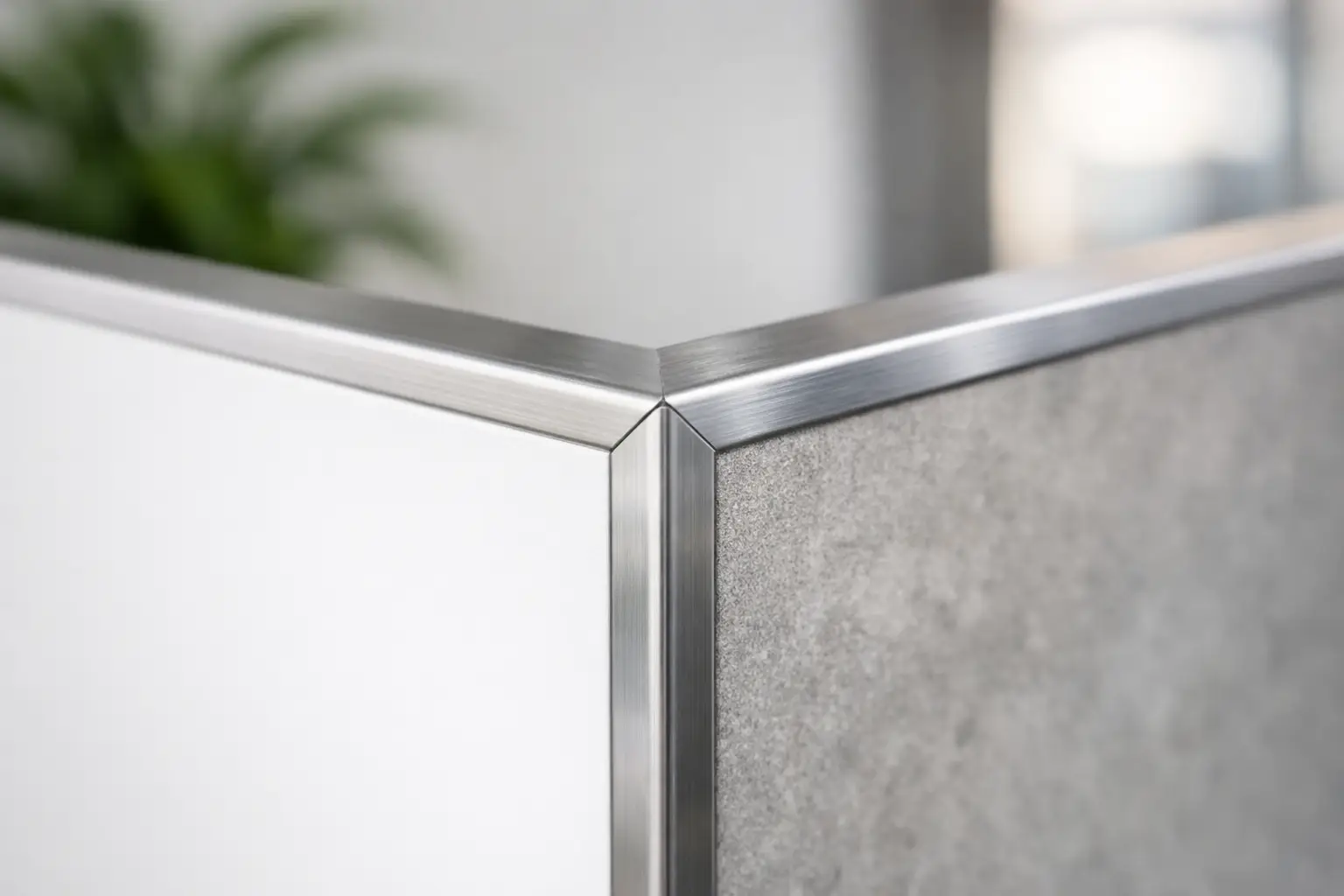
A panel installation can look almost perfect and still feel unfinished. The usual reason is the corner. Flat expanses are easy to admire, but corners reveal the quality of the detail, the accuracy of the install, and whether the final result feels considered or merely completed. That is exactly where corner edge trim for panels earns its place.
For homeowners, designers, and contractors, trim is not an afterthought. It is the element that turns a good panel installation into a resolved architectural feature. It protects exposed edges, creates visual continuity, and helps each surface read as intentional from every angle. In premium spaces, that distinction matters.
Why corner edge trim for panels matters
Corners take more impact than most people expect. In a hallway, reception area, restaurant, office, or family living space, they are constantly exposed to knocks, friction, cleaning, and movement. Without proper finishing, panel edges can appear abrupt, become vulnerable to damage, or collect dirt in ways that spoil an otherwise polished design.
Corner edge trim for panels solves several problems at once. It gives the installation a clean frame, softens vulnerable transitions, and helps maintain the integrity of the panel edge over time. It also introduces a more refined visual line, which is especially valuable when the panels themselves are a design statement.
There is also a practical installation benefit. Trims can help disguise minor tolerances at meeting points, especially on surfaces that are not perfectly square. In real projects, walls and corners are rarely as precise as drawings suggest. A well-chosen trim allows the finish to stay crisp even when site conditions are less than ideal.
The design role of panel corner trim
The best trim does not fight for attention. It supports the panel system and allows the overall look to feel complete. That can mean a close match that blends quietly into the installation, or it can mean a deliberate contrast that sharpens the geometry of the space.
In residential interiors, corner trim often helps maintain a calm, tailored appearance. Acoustic slat panels, for example, already carry strong rhythm and texture. The trim should preserve that sense of order at external corners and exposed ends, rather than interrupt it.
In commercial settings, the role becomes even more important. Offices, hotels, restaurants, and shopfitting environments need finishes that are attractive but also resilient. Corners are one of the first areas to show wear if they are not properly detailed. A premium trim profile supports both presentation and durability, which is why designers specify it so consistently in high-traffic spaces.
Where corner edge trim works best
Not every panel application needs the same finishing approach, but there are clear situations where trim adds significant value. External wall corners are the most obvious example, particularly where a panel wraps around a feature wall, column, bulkhead, or room divider.
It is equally useful where panel edges remain visible by design. A media wall, headboard feature, reception backdrop, or ceiling drop may expose side edges that need a cleaner termination. In these moments, trim prevents the installation from looking cut off.
Exterior applications bring another layer of importance. Outdoor composite panels face sun, moisture, temperature shifts, and physical contact. Corner detailing needs to look sharp, but it also needs to support weather resistance and long-term performance. In those projects, the right trim is as much about protection as appearance.
Choosing the right corner edge trim for panels
The right trim depends on the panel type, the location, and the visual effect you want to achieve. There is no universal answer, which is why thoughtful specification matters.
Start with material compatibility. Interior acoustic or decorative panels may require a trim that complements their finish and installation method, while exterior composite systems need trims designed to perform in more demanding conditions. A mismatch can create both aesthetic and technical problems.
Then consider profile shape. Some trims are subtle and linear, designed to create a neat edge without drawing the eye. Others produce a more defined border, which can be useful when you want corners to read as crisp design features. In minimalist spaces, a slim profile often works best. In more architectural schemes, a bolder edge can reinforce the geometry.
Color is equally important. A coordinated finish creates continuity and helps the installation feel calm and resolved. A contrasting trim can be striking, but only when it relates clearly to other elements in the room, such as hardware, flooring, window frames, or lighting details.
Finally, think about use. A quiet bedroom feature wall has different demands from a busy hotel corridor or a family braai area. The more traffic and contact a corner will receive, the more important impact resistance becomes.
What a premium finish really looks like
A premium panel installation is rarely about the panel alone. It is about how every component contributes to the final experience of the space. Trims, end details, and junctions all shape the impression of quality.
You can usually spot a rushed installation immediately. The panel surface may be attractive, but the corners look exposed, the edges feel abrupt, and the transitions seem unresolved. By contrast, when corner detailing is handled properly, the room feels composed. The eye moves across the surfaces without interruption, and the finish appears custom rather than improvised.
This is especially true in design-led interiors where wood-inspired textures add warmth and rhythm. The richness of those surfaces deserves an edge detail that feels equally considered. A clean trim line gives the installation confidence.
Installation considerations that affect the result
Even the best trim cannot fix poor preparation. Accurate measuring, straight cuts, and careful alignment still matter. Corners should be checked before installation begins, because many are slightly out of square. Knowing that early helps determine how the trim will sit and whether adjustments are needed.
Adhesive choice, fastening method, and substrate condition also influence the finish. Interior and exterior systems may require different installation approaches, and following the product specification is essential. Trims should sit firmly and consistently, without gaps, twisting, or uneven reveals.
It is also worth planning the sequencing of the job. The cleanest results usually come when trims are considered from the outset, not added as a late fix. When panels, corner edges, and end details are selected together, the whole installation feels more unified.
For trade professionals, this planning saves time on site and reduces avoidable rework. For homeowners, it protects the look they are investing in.
Interior and exterior projects need different thinking
The phrase corner edge trim for panels can sound simple, but the performance requirements vary significantly between interior and exterior applications.
Inside, the focus is often on visual refinement, acoustic environments, ease of cleaning, and protection from everyday wear. In a home office or meeting room, for example, acoustic slat panels contribute to a more comfortable sound environment, while the corner trim keeps the installation looking polished and complete.
Outside, durability becomes more demanding. UV exposure, rain, heat, and dust all place pressure on materials over time. Exterior trims need to align with the panel system and support the broader goal of a low-maintenance, weather-ready finish. A beautiful façade or outdoor entertainment wall still has to perform through changing conditions.
That is why a specialist product range matters. When trims are designed to work with the panel category, the result is more dependable and more visually coherent.
When trim becomes part of the architecture
In stronger design schemes, trim does more than finish an edge. It helps define the architecture of the surface. A corner can frame a fireplace wall, sharpen a bar front, finish a retail display, or give a ceiling feature a more sculpted presence.
This is where small details carry surprising weight. The line at the corner affects how light hits the surface, how the panel rhythm turns the edge, and how the eye reads depth and proportion. Done well, it adds quiet sophistication.
That is one reason premium surface brands place so much emphasis on accessories and finishing components. Panels create the visual impact, but trims help deliver the professional result people actually notice once the space is complete.
A well-finished corner does not call attention to itself with noise or novelty. It simply makes the whole installation look more expensive, more intentional, and more lasting.
If you are planning a panel project, treat the trim as part of the design from the beginning. The surface may win attention first, but the corner is what often earns admiration up close.