

Blog
A Practical Guide to Moisture Resistant Panels

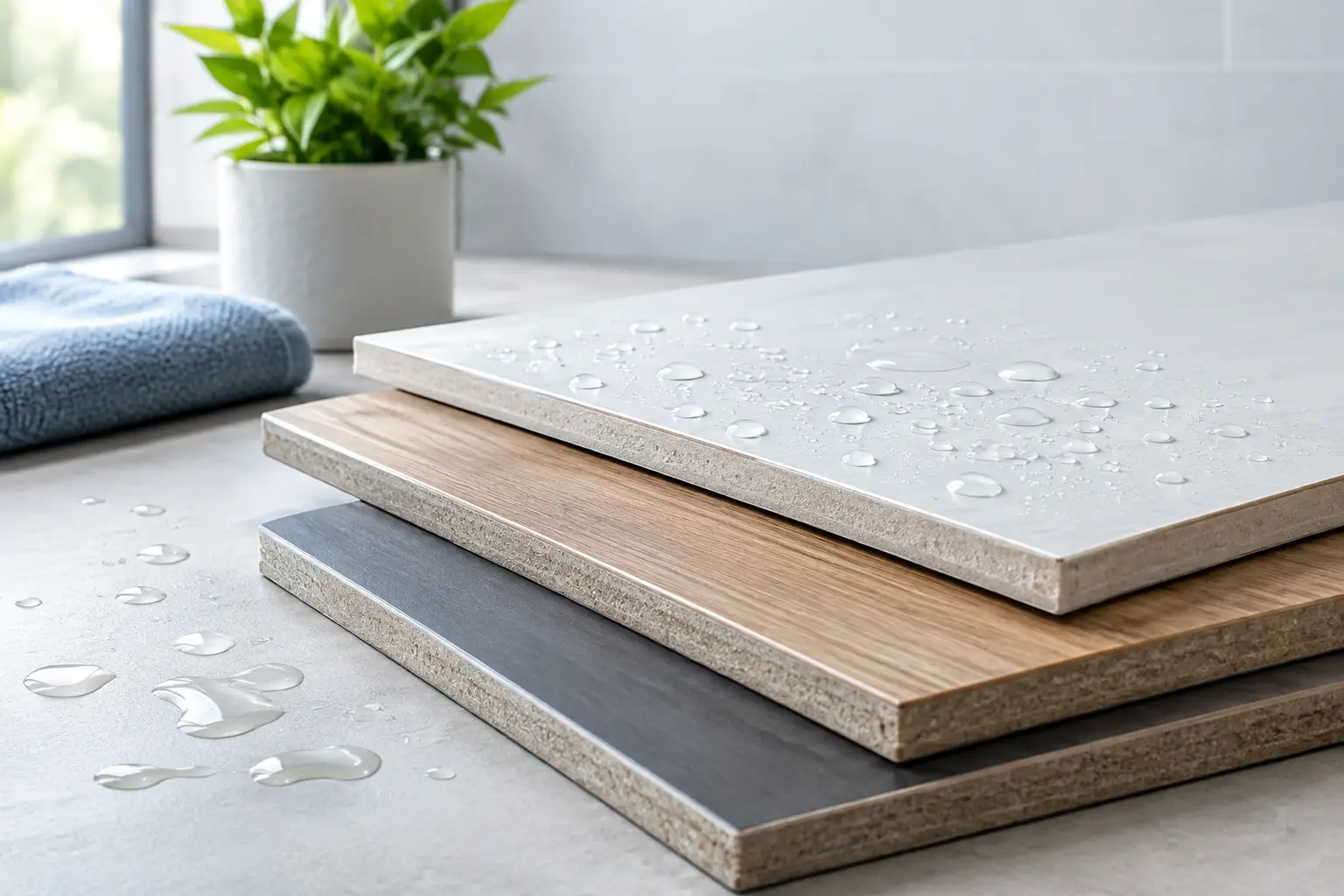
A beautifully finished wall can lose its appeal quickly when moisture gets behind it. Swelling edges, lifting veneers, staining, mold, and warped boards are rarely design problems alone – they are usually the result of choosing a finish that does not suit the room, substrate, or level of exposure. This guide to moisture resistant panels will help you specify surfaces that retain their refined appearance where everyday humidity, splashes, and changing temperatures are part of the brief.
For homeowners, designers, and contractors, the goal is not simply to find a panel labeled “water resistant.” It is to create a space that feels considered and luxurious while allowing the wall finish to perform properly for years to come.
What Moisture Resistance Actually Means
Moisture resistant panels are designed to cope with humid air and occasional contact with water better than standard interior boards. They may use non-absorbent cores, protective surface layers, sealed edges, or composite construction to reduce the risk of moisture entering the panel.
That does not automatically make a product waterproof. A waterproof surface is intended to withstand sustained direct water exposure, while a moisture resistant panel is generally suited to damp conditions, intermittent splashes, and rooms where humidity rises and falls. The distinction matters most in bathrooms, laundry rooms, kitchens, covered patios, and commercial spaces with frequent cleaning.
A premium panel can only perform as well as the system around it. If water is entering through an unsealed joint, pooling at the base of a wall, or trapped behind a panel on a damp substrate, even an appropriate material can fail prematurely.
A Guide to Moisture Resistant Panels by Material
The right material depends on whether the project is indoors or outdoors, how much direct water it will receive, and the finish you want to achieve.
Composite panels for exterior and high-exposure areas
Composite wall panels are often the strongest choice for exterior feature walls, poolside settings, balconies, and covered entertainment areas. Made from a blend of wood fibers and polymers, they offer the warm, architectural character of timber without traditional wood’s tendency to absorb moisture, split, or demand regular refinishing.
They are particularly appealing where sun, rain, humidity, and temperature movement are expected. Still, exterior performance depends on correct spacing, airflow behind the boards, and installation methods that allow for natural expansion and contraction. A tightly fixed panel with no allowance for movement can become distorted regardless of its weather-resistant composition.
Moisture resistant MDF and engineered interior boards
Moisture resistant MDF and similar engineered boards can be suitable for selected interior applications, especially decorative walls in kitchens, hallways, powder rooms, and well-ventilated bathrooms. Their dense construction and treated core provide better resistance than standard MDF, but they should not be treated as shower-wall material.
These panels work best when their edges are protected and the room has effective extraction. If the design includes acoustic slat wall panels, position them away from direct shower spray, bath splashing zones, and areas where water can collect at floor level. Their visual warmth can transform a guest bathroom or dressing area, but thoughtful placement is essential.
PVC and non-porous decorative panels
PVC and other non-porous decorative panels are practical in wet rooms because they do not absorb water in the same way as timber-based products. They can offer a clean, low-maintenance finish for utility spaces, shower surrounds, and commercial washrooms.
The trade-off is aesthetic. Some options can look less natural or less architectural than wood-inspired slats or composite cladding. For projects where a tactile, elevated surface is central to the design, it is worth balancing the visual finish against the room’s actual exposure to water rather than choosing solely on the basis of maximum water resistance.
Choose by Room, Not Just by Appearance
A panel that works beautifully in a living room may not be appropriate one room away. Start with the conditions around the wall rather than the color sample.
In kitchens, consider steam from cooking, cleaning splashes, and the location of sinks and dishwashers. A moisture resistant decorative panel can be an excellent choice for a feature wall or breakfast nook, while the backsplash immediately behind the sink or cooktop may need a more impervious finish.
In bathrooms, divide the room into exposure zones. A wall opposite the shower, a vanity backdrop, or a dry toilet room can accommodate more decorative options than the inside of a shower enclosure. Good ventilation is not optional here. An extractor fan that is correctly sized and used after bathing protects both the panel and the building fabric behind it.
Laundry rooms need equally careful consideration. High humidity, occasional leaks, and frequent washing make lower wall areas more vulnerable than upper feature walls. Raising panels slightly above the floor where appropriate, using a suitable base detail, and resolving pipe penetrations carefully can make the difference between a polished installation and a costly repair.
For covered outdoor spaces, assess wind-driven rain rather than assuming that a roof offers complete protection. A sheltered patio may still experience wetting along open sides, especially during seasonal storms. Exterior-rated composite panels are a more reliable specification than interior decorative boards in these settings.
The Substrate Is Part of the Specification
Installing moisture resistant panels over a wet, uneven, or contaminated wall only hides the problem temporarily. Before fitting begins, the substrate should be dry, sound, clean, and free from active mold or water ingress.
Investigate stains, peeling paint, or a musty smell before covering the wall. These signs may point to leaking plumbing, failed waterproofing, rising damp, condensation, or inadequate ventilation. Panels are a finish, not a cure for a moisture problem.
In humid or exterior-facing applications, an appropriate batten system can create a ventilation cavity behind the panel. This helps moisture escape and supports a more stable installation. The exact fixing approach should always suit the panel material, wall construction, and manufacturer’s recommendations. Adhesive alone may be suitable in a dry, stable interior, but mechanical fixings and a cavity system are often the wiser route where conditions are more demanding.
Details That Protect a Premium Finish
Most moisture-related panel failures begin at edges, joints, and penetrations. The broad face of a panel may be highly resistant, yet an exposed cut edge or poorly sealed corner can become the weak point.
Plan trims, corner edges, end slats, and finishing profiles as part of the design from the start. They create a cleaner architectural result while protecting vulnerable terminations. In areas exposed to frequent cleaning or splashing, use compatible sealants where required and follow the product guidance for expansion gaps.
Pay particular attention to the bottom edge of the installation. Panels should not sit in standing water or be installed where routine mopping can force moisture into an unprotected joint. Similarly, any holes for lights, outlets, hooks, or plumbing should be measured precisely and finished in a way that prevents moisture from traveling behind the surface.
Maintenance Should Be Simple, Not Neglected
One of the great advantages of modern wood-inspired and composite surfaces is that they offer a design-led finish without the sanding, staining, and sealing associated with natural timber. Even so, low maintenance does not mean no maintenance.
Wipe interior panels with a soft cloth and a mild cleaner suitable for the surface. Avoid abrasive pads, harsh solvents, and excessive water. In bathrooms and kitchens, dry off persistent splashes rather than allowing residue to build up around edges and trims.
For exterior composite panels, remove dirt and organic debris periodically, particularly in shaded areas where moisture can linger. Check joints, trims, and fixings as part of routine property care. Early attention to a loose trim or blocked drainage point is far easier than addressing moisture that has reached the wall behind the cladding.
Design for the Conditions You Have
Moisture resistant panels allow you to bring warmth, texture, and a more tailored finish to spaces that once demanded purely utilitarian surfaces. The best results come from choosing a panel that suits the real conditions of the site, then treating installation details with the same care as the visible design.
Whether you are shaping a calm bathroom retreat, a hospitality terrace, or a hardworking family kitchen, let exposure to water guide the specification and let the finish express the atmosphere you want to create. That balance is what gives a surface its staying power.