

Blog
Can Panels Cover Damaged Plaster? A Smart Fix

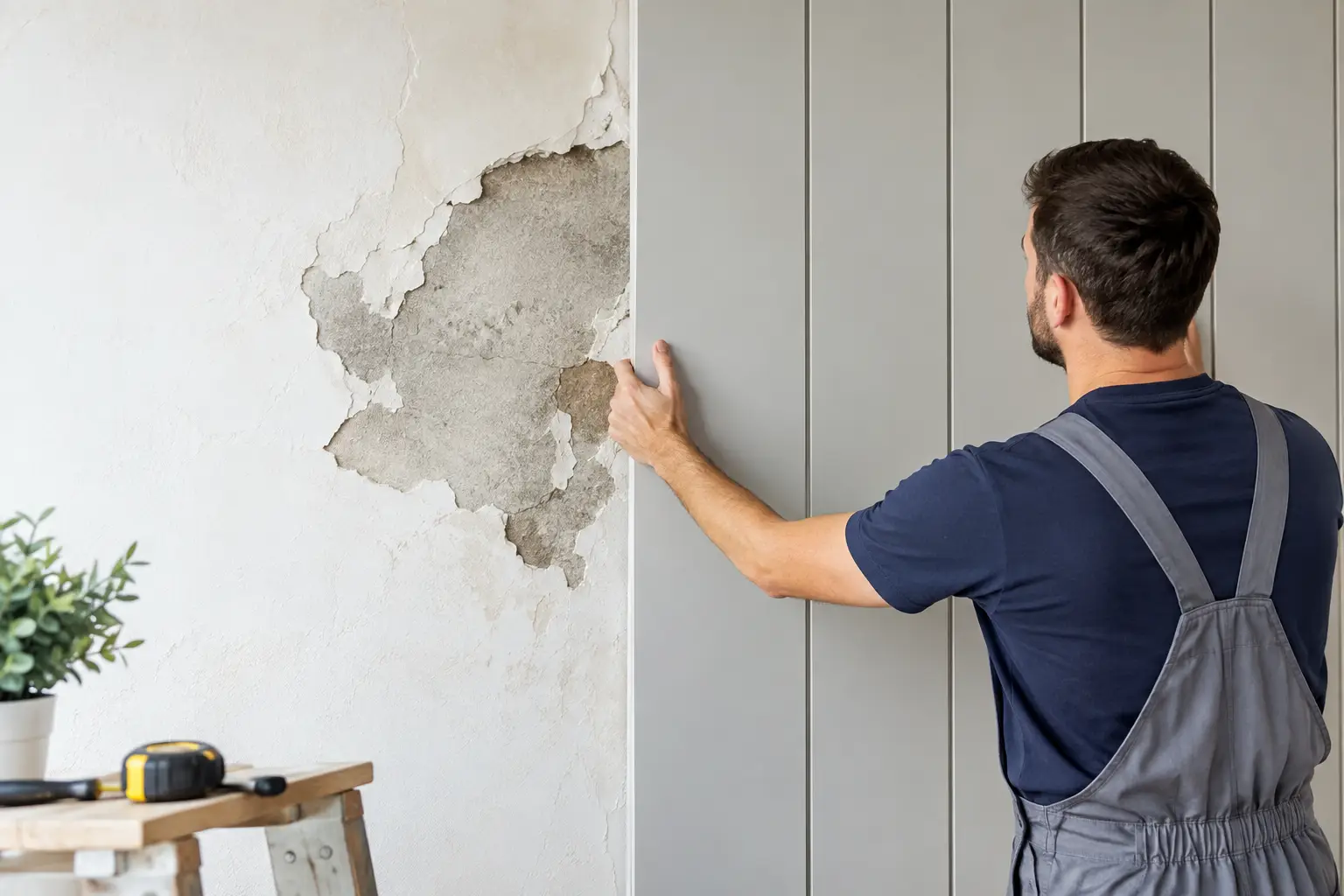
A cracked, uneven plaster wall can make an otherwise considered room feel unfinished. So, can panels cover damaged plaster? In many cases, yes. Premium wall panels can conceal cosmetic imperfections while introducing warmth, texture, and a more intentional architectural finish. The right result, however, depends less on hiding the plaster and more on understanding what caused the damage in the first place.
For homeowners, designers, and contractors, panels can be a beautifully practical alternative to a full replaster and repaint. They offer a faster route to a refined wall surface, particularly in bedrooms, living areas, reception spaces, restaurants, and offices where the finish needs to work as hard as it looks.
When panels can cover damaged plaster successfully
Wall panels are well suited to plaster with surface-level flaws: hairline cracks, old paint texture, minor dents, patched areas, uneven trowel marks, or staining that has been fully resolved. Acoustic slat wood panels are especially effective here because their linear pattern creates depth and draws the eye toward the design rather than the wall beneath it.
This approach is often more appealing than chasing a perfectly smooth skim-coat finish. Instead of treating the wall as a problem to disguise with another coat of paint, paneling turns it into a focal point. A once-tired television wall can become a composed entertainment feature. An echoing home office can gain a more comfortable acoustic character. A hospitality interior can introduce a natural wood-inspired finish without the maintenance demands of traditional timber.
Panels also work well where a full replaster would be disruptive. Wet trades create dust, drying time, and the possibility of further touch-ups before decorating can begin. A panel installation is generally cleaner and offers a more predictable visual outcome, provided the substrate is sound and the panels are installed correctly.
Cosmetic damage and structural damage are not the same
Panels should never be used to conceal an active building issue. If the plaster is loose, damp, moldy, crumbling, or separating from the masonry, it needs attention before any decorative finish is fitted. Covering it may hide the warning signs temporarily, but it will not stop moisture, movement, or substrate failure from worsening behind the panels.
Pay close attention to cracks. Fine, stable hairline cracks are commonly cosmetic and can be prepared before paneling. Wide cracks, diagonal cracks around windows and doors, or cracks that continue to grow may indicate movement and should be assessed by a qualified building professional. The same applies to walls that sound hollow when tapped, show white salt deposits, or have soft, blistering paint.
Moisture is the most important consideration. A leak, rising damp, failed exterior waterproofing, or condensation problem must be resolved at its source. Installing panels over a damp wall can trap moisture and compromise adhesives, battens, plaster, and indoor air quality. A premium finish deserves a dry, stable foundation.
How to prepare damaged plaster for wall panels
Preparation does not always mean making the wall perfect. It means making it clean, dry, secure, and sufficiently level for the chosen installation method.
Start by removing anything loose. Scrape away flaking paint and friable plaster, then repair localized holes or deep cracks with an appropriate filler or patching compound. Sand off high spots that could prevent panels from sitting flat, and clean away dust, grease, wallpaper paste, and residue that could affect adhesion.
Next, test the wall’s condition. If the plaster is firmly bonded and reasonably flat, many lightweight decorative panels can be adhered directly using a suitable high-grab construction adhesive. Follow the panel and adhesive manufacturer’s instructions carefully, especially regarding cure times, coverage, and ventilation. Adhesive performs best on clean, dry surfaces with no active chalking or peeling paint.
Where walls are uneven, a battened framework is often the more controlled option. Battens create a true fixing plane, allowing you to level the installation rather than forcing panels to follow every dip and wave in old plaster. This can be particularly valuable on larger feature walls, commercial fit-outs, or installations where a crisp, continuous line is essential.
A batten system also creates a small cavity behind the paneling. Depending on the design and room requirements, that cavity can accommodate cable management or additional acoustic material. It does take more planning and reduces the room dimension slightly, but the visual precision can justify the extra work.
Choosing panels that complement the room
The best panel choice depends on what the room needs beyond coverage. If the primary goal is to transform a visually damaged wall in a bedroom, lounge, boardroom, or reception area, acoustic slat wood panels bring softness, rhythm, and a sophisticated natural finish. Their acoustic backing can help reduce reflected sound, making conversation, calls, and media more comfortable in hard-surfaced spaces.
For an entertainment wall, consider the practical details before installation. Plan television brackets, power outlets, data points, soundbars, and concealed cabling in advance. Panels are at their most luxurious when the entire composition feels deliberate, with trims and edges providing a clean finish around the perimeter.
In busy commercial spaces, durability and maintenance matter as much as appearance. Select a finish appropriate to the location, and protect vulnerable edges where luggage, chairs, trolleys, or regular foot traffic may make contact. A thoughtfully detailed panel wall can elevate a guest-facing environment while remaining practical for daily use.
Not every panel belongs in every setting. Standard interior acoustic panels are not a substitute for moisture-rated cladding in a shower enclosure or other persistently wet area. For exterior walls and weather-exposed applications, choose purpose-designed outdoor composite wood panels and use the required fixing and ventilation approach. Matching the product to the environment protects both the installation and the investment.
What panels will and will not hide
Panels are excellent at disguising inconsistent surface texture and small imperfections, but they do not magically flatten a severely distorted wall. If the plaster bows outward, has major hollows, or contains substantial loose areas, direct adhesion may telegraph those issues through the finished surface or create weak points over time.
They also cannot correct poor proportions or lighting by themselves. A dark wood tone on a full-height wall can feel dramatic and intimate, but may overwhelm a compact room with limited natural light. Lighter tones can open the space, while a partial-height installation or a single feature wall can deliver the same design impact with more visual restraint.
The detail at the edges matters too. Trims, corner edges, end slats, and V-groove solutions are not afterthoughts. They turn a practical cover-up into a finished architectural element, giving the installation clean transitions at corners, ceilings, joinery, and exposed panel ends.
A considered alternative to replastering
Replastering remains the right choice when a wall needs fundamental repair, when its condition is too unstable to receive fixings, or when the desired final look is a plain painted surface. Yet for stable plaster with visible wear, paneling can be the more design-led solution. It avoids returning the room to a blank wall and replaces repair fatigue with texture, warmth, and functional performance.
Before ordering, measure carefully, consider the direction of the slats, and account for cutouts, trims, outlets, and waste. If you are working on a prominent wall or a complex commercial space, a professional installer can help ensure that the finished lines remain true from the first panel to the final edge.
Damaged plaster does not have to dictate the character of a room. Once the wall is dry, stable, and properly prepared, panels can turn an imperfect surface into the starting point for a more composed, comfortable, and extraordinary space.