

Blog
Are Slat Panels Easy to Clean and Maintain?

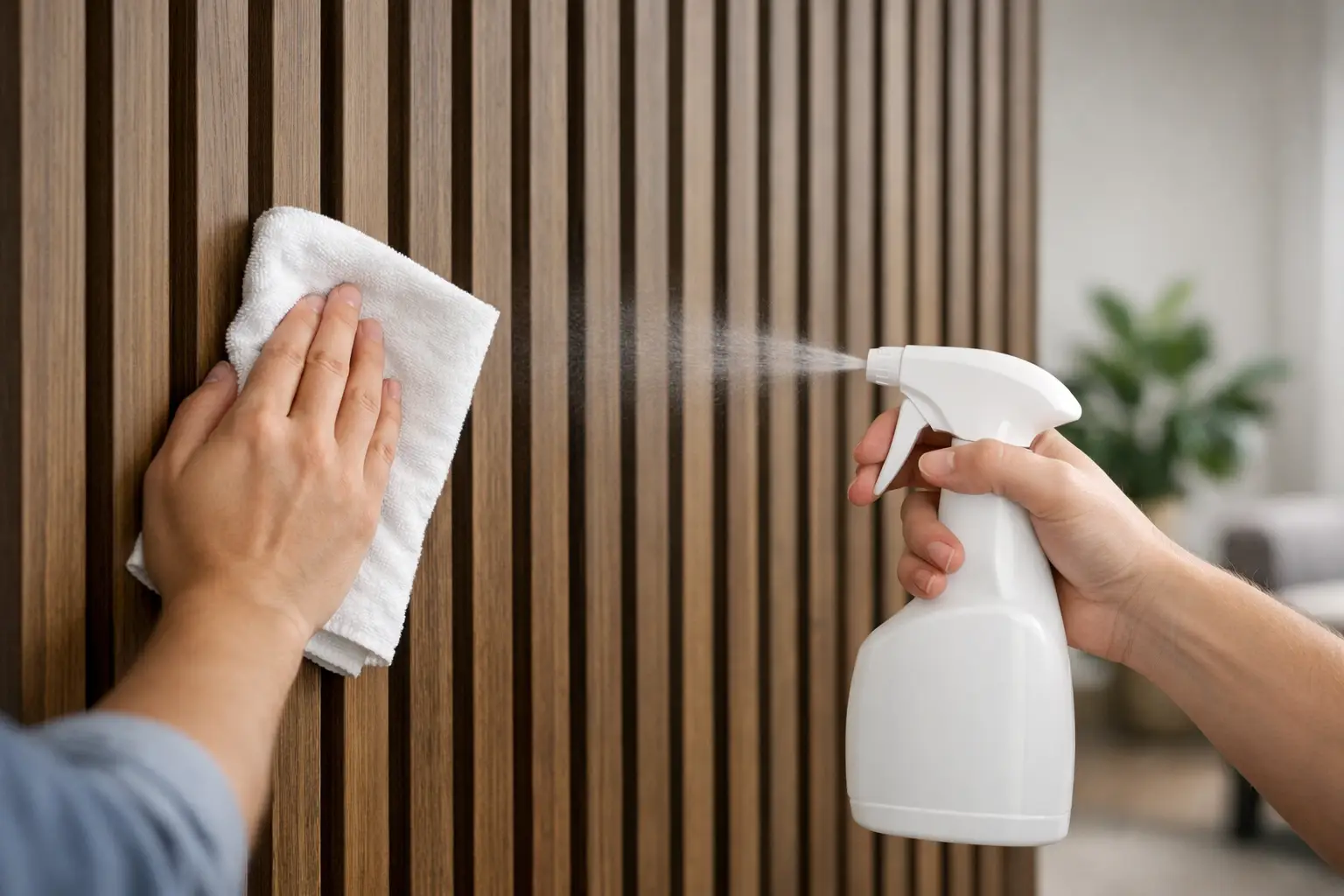
A beautifully finished feature wall should make a room feel calmer, warmer, and more considered – not add another demanding task to the weekend cleaning routine. So, are slat panels easy to clean? In most settings, yes. Quality slat wall panels need little more than regular dusting and the occasional gentle wipe to retain their refined, wood-inspired appearance.
That low-maintenance appeal is one reason slat panels suit modern homes, hospitality spaces, offices, and retail interiors so well. They introduce texture, depth, and acoustic comfort without asking for the sanding, staining, or sealing often associated with traditional timber cladding.
Why slat panels are straightforward to care for
Slat panels are designed as architectural finishes rather than high-touch furniture surfaces. Once installed, they are generally protected from the knocks, spills, and friction that affect countertops, tables, and cabinetry. Their vertical format also means that most everyday dust settles lightly on the face of the slats instead of building up quickly.
The cleaning method depends on the panel material and location. Indoor acoustic slat panels typically combine a decorative wood-look veneer or finished slat surface with an acoustic backing. Exterior composite panels are engineered for a different environment, where moisture, sun exposure, and airborne dirt are part of daily life. Both are far easier to maintain than unfinished natural wood, but they should not be cleaned in exactly the same way.
The main consideration is the panel profile. The narrow gaps between slats create the visual rhythm that makes these systems so distinctive, yet those recesses can collect dust over time. This is not difficult to manage, but it does call for the right tool rather than an overly wet cloth.
Are slat panels easy to clean in everyday interiors?
For a living room feature wall, bedroom headboard wall, reception area, or boardroom ceiling, a soft microfiber cloth is usually enough. Wipe gently along the direction of the slats to remove light dust and preserve the finish. A vacuum cleaner with a soft brush attachment is particularly useful for the spaces between slats and for acoustic felt backing.
In a busy commercial setting, such as a restaurant, showroom, or office corridor, a weekly light clean will usually keep panels looking polished. In quieter residential rooms, cleaning may only be needed when you notice dust. There is no need for an intensive routine when the panels are installed away from grease, steam, and frequent contact.
For small marks, use a clean, lightly damp microfiber cloth, then dry the area with a second soft cloth. The emphasis is on lightly damp, not wet. Excess moisture can settle in joins or reach the backing behind the slats, which is unnecessary and may affect the appearance of some interior finishes over time.
Avoid abrasive scouring pads, strong solvents, bleach, waxes, and harsh multipurpose cleaners. They can leave a residue, dull a decorative surface, or alter the finish. Steam cleaners are also best avoided on indoor acoustic panels, since heat and moisture are not needed to achieve a clean result.
A practical cleaning routine
The simplest approach is to make the panels part of normal room care. Dust the slat faces with a dry microfiber cloth every few weeks, or vacuum using a soft brush attachment when cleaning the room. Address fingerprints or isolated marks promptly with a barely damp cloth and clean water.
In spaces near a kitchen, indoor braai area, or coffee station, airborne grease deserves more attention. First test a mild, finish-appropriate cleaner on an inconspicuous section. Apply the product to the cloth rather than spraying it directly onto the panel, and follow with a clean dry cloth. If panels are close to a cooking surface, effective ventilation matters as much as the cleaning method.
Cleaning acoustic felt without damaging it
The dark acoustic backing behind many interior slat panels is designed to support sound absorption while creating contrast between each slat. It can attract fine dust, especially in rooms with open windows, pets, or high foot traffic. Fortunately, it does not require special treatment.
Use the vacuum’s brush attachment on a low setting and move it gently along the channels. Do not scrub the felt with a stiff brush or saturate it with water. If a localized stain occurs, blot carefully with a slightly damp cloth rather than rubbing. Rubbing can push the mark further into the fibers or disturb the surface texture.
This is one of the few areas where placement makes a difference. Panels behind a sofa, above a bed, or on a boardroom wall tend to stay exceptionally clean. Panels in a children’s play area, a restaurant entrance, or a narrow hallway may benefit from more frequent spot cleaning simply because they are more likely to be touched.
Exterior composite slat panels need a different approach
Outdoor composite wall panels are made to handle changing weather conditions with far less upkeep than natural timber. They are a strong choice for patios, garden walls, building facades, poolside zones, and hospitality exteriors where a timber-inspired look is desired without regular oiling or refinishing.
Routine exterior care is uncomplicated. Rinse the panels with clean water to remove dust and loose debris, then use a soft cloth or soft-bristle brush with mild soapy water where needed. Rinse again afterward so soap residue does not dry on the surface.
A gentle garden hose is generally sufficient. Avoid aggressive pressure washing at close range, especially around joins, edges, and trims. While composite finishes are designed for outdoor performance, excessive pressure can force water into connections or damage a surface unnecessarily. If using a pressure washer is unavoidable, keep the setting low, maintain a safe distance, and follow the manufacturer’s care guidance.
Pollen, coastal salt, rain splash, and urban pollution can all leave a film on exterior surfaces. Cleaning every few months is usually enough, although a panel installation near the ocean, a dusty road, or dense landscaping may need more regular attention. The goal is not constant maintenance. It is simply preventing environmental buildup from becoming more stubborn than it needs to be.
What makes panels harder to clean?
Slat panels remain low maintenance when they are specified thoughtfully. A very light finish can show dust more readily than a deeper wood tone, while a heavily textured wall near a cooking zone may collect more residue than one in a bedroom. These are design considerations, not reasons to avoid the material.
Installation quality also matters. Properly fitted trims, corner edges, and end slats create a finished look while limiting awkward exposed gaps where dirt can gather. Planning access around air-conditioning units, shelving, or tightly fitted furniture makes future cleaning simpler too.
For ceilings, use a vacuum with an extension wand and soft brush attachment rather than trying to wipe each slat by hand. This is efficient, safer, and kinder to the panel finish. In commercial environments, include slat walls and ceilings in the regular facilities cleaning schedule so the finish stays consistently presentation-ready.
The advantage over traditional wood finishes
Traditional timber can be beautiful, but it often asks more of the owner. Depending on the species, location, and coating, wood may require periodic oiling, sealing, refinishing, or careful treatment after moisture exposure. It can also react to changes in humidity and temperature.
Finished acoustic slat panels and exterior composite systems are created for a more practical experience. They deliver the visual warmth of timber tones and linear detail while reducing the ongoing care burden. That makes them especially appealing for design professionals and homeowners who want a premium result that remains realistic to live with.
At Inspiration Wood, this balance between elevated design and everyday practicality is central to the appeal of slat panel solutions. A feature wall should enhance how a space looks, sounds, and feels – without becoming another surface that demands specialist maintenance.
A small amount of care, a lasting impression
Slat panels are easy to clean when treated as the finished architectural surfaces they are: dust gently, use minimal moisture indoors, clean exterior composite panels with mild soap and water, and avoid harsh tools or chemicals. The routine is simple, but the effect is lasting.
Choose a finish that suits how the room or exterior space will actually be used, and give it occasional, considered care. Your panels can continue to frame the space with the warmth, texture, and quiet confidence that made you choose them in the first place.