

Blog
Luxury Wall Texture Trends for Refined Spaces

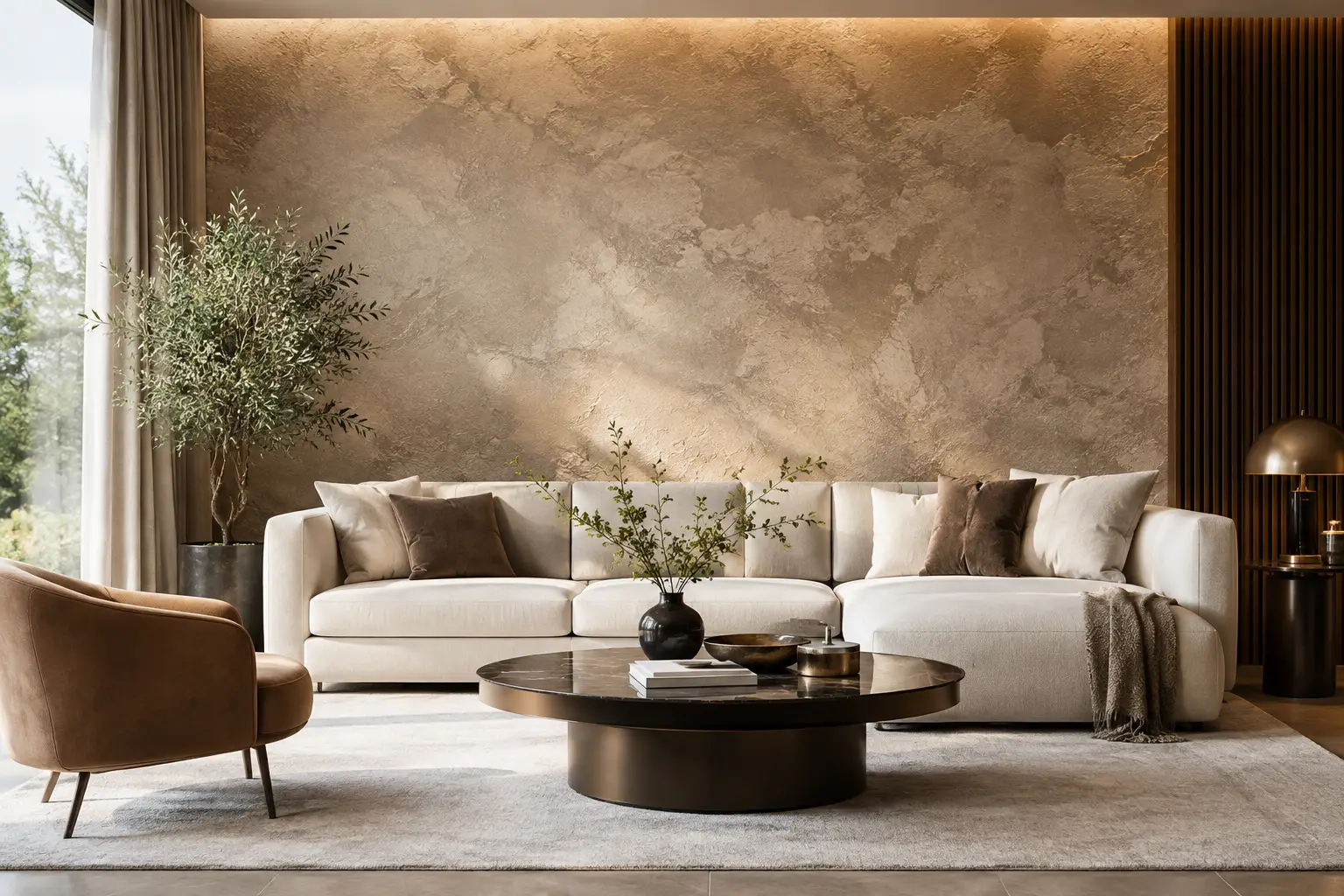
A beautifully furnished room can still feel unfinished when every wall is flat, hard, and visually silent. The most compelling luxury wall texture trends are changing that equation, using surface, shadow, and natural-inspired materiality to give spaces a stronger sense of calm, character, and intention.
For homeowners, designers, and commercial specifiers, texture is no longer an optional finishing touch. It is part of how a room feels to live in, work in, and welcome guests into. The right wall treatment can soften harsh acoustics, frame a focal point, introduce warmth without visual clutter, and create a premium result that holds its appeal long after a passing color trend has faded.
Luxury wall texture trends are becoming more architectural
The defining shift is away from decorative texture used simply for effect. Instead, leading interiors are using wall finishes as architectural elements. A textured wall may guide the eye toward a dining area, give a reception desk greater presence, or make a quiet bedroom feel more cocooning.
This approach favors materials with depth and rhythm over busy pattern. Think linear timber-inspired slats, softly varied mineral finishes, fluted surfaces, and matte composite cladding with a convincing grain. These finishes create interest through light and shadow, which means they can feel expressive without overwhelming furniture, artwork, or a carefully considered palette.
There is also a clear movement toward fewer, better surfaces. Rather than covering every wall, luxury schemes often place texture where it can do the most work: behind a bed, around a television, along a passage, at an entry, or across the main wall of a boardroom. Restraint is what makes the feature feel considered.
Warm wood tones with cleaner lines
Wood remains one of the most enduring materials in premium interiors, but the look has evolved. Heavy, glossy, traditional timber paneling is giving way to cleaner profiles, lower-sheen finishes, and nuanced tones that work with contemporary architecture. Natural oak-inspired shades bring gentle warmth, while walnut and smoked finishes add depth and a more tailored mood.
Acoustic slat panels are especially relevant to this direction. Their repeated vertical lines lend rooms height and order, while the felt backing helps manage reflected sound. In an open-plan living area, a home office, restaurant, or meeting room, this is more than a visual benefit. Better speech clarity and reduced echo can make the space more comfortable to use.
The trade-off is that slatted texture has a distinct rhythm. It is most effective when it is allowed room to breathe. Pair it with broad, calm painted walls, upholstery with soft texture, and simple lighting rather than competing geometric finishes. In compact rooms, a single panelled focal wall can feel more luxurious than wrapping every surface.
Soft mineral finishes and imperfect depth
Limewash-inspired paint, plaster effects, and microcement finishes continue to appeal because they reject the flatness of standard paint. Their value lies in subtle variation: a cloudy tonal shift, a hand-applied look, or a softly mottled surface that changes across the day as the light moves.
These finishes suit bedrooms, lounges, boutique hospitality spaces, and quiet reception areas where the goal is atmosphere rather than strong linear definition. Earthy sand, mushroom, clay, warm gray, and chalky taupe are particularly adaptable. They provide a sophisticated backdrop for timber, stone, brushed metal, and natural textiles.
However, mineral textures are not always the easiest choice for high-contact zones. Some require skilled application, careful sealing, or periodic touch-ups. Where durability, wipeability, and installation speed matter most, a structured panel system may be the more practical route. The luxury result should not depend on a finish that struggles to suit the way the room is actually used.
Texture now needs to perform, not just decorate
A luxury finish earns its place when it improves the experience of a space. This is one reason wall texture is gaining momentum in workplaces and hospitality settings, where atmosphere and performance are closely connected.
Hard surfaces such as glass, tile, polished concrete, and large-format flooring can make a room look striking but sound tiring. Conversations carry, music becomes sharp, and the overall environment can feel less private. Acoustic timber-style slat walls introduce a welcome visual softness while helping to absorb sound energy. The effect can be particularly valuable in offices with meeting areas, restaurants with high ceilings, and homes designed around open-plan entertaining.
Exterior texture is being approached with the same practical mindset. Composite wall panels offer the visual warmth of wood without the ongoing demands associated with natural timber in exposed conditions. Used on entrance walls, covered patios, garden rooms, or hospitality facades, they bring a composed, high-end finish while offering weather resistance and low-maintenance appeal.
The best material depends on location. Interior acoustic panels are designed for protected spaces where sound and visual comfort are priorities. Exterior composite surfaces are suited to weather-exposed applications. Treating these as interchangeable can compromise both performance and longevity, so specifying the right system from the start matters.
Tactile contrast is replacing matchy-matchy design
Luxury interiors are increasingly layered rather than perfectly matched. A warm slat wall against smooth plaster, a textured exterior panel beside crisp rendered masonry, or fluting paired with soft boucle seating gives a room dimension without making it feel overly styled.
This contrast works because each finish has a role. Smooth surfaces bring calm. Linear surfaces provide structure. Mineral finishes add softness. Stone and metal add weight or reflection. When every item is textured, the result can feel crowded. When textures are balanced, the room feels collected and assured.
Color should support this layering. Rich espresso, charcoal, and deep walnut finishes can create drama in larger, well-lit rooms. Pale oak, natural ash, and warm beige work beautifully where the aim is brightness and ease. For commercial environments, mid-tone wood shades often offer the most forgiving choice, disguising everyday marks better than very pale or very dark finishes while retaining a refined appearance.
Where textured walls make the strongest impact
The most successful applications are purposeful. In a bedroom, a slatted headboard wall can establish a hotel-inspired focal point and improve the feeling of enclosure. In a living room, texture behind a television helps the screen recede into a more composed setting. A narrow hallway can gain length and rhythm from vertical lines, particularly when lighting grazes the surface.
In commercial settings, the first few seconds matter. A textured wall behind a reception desk, host stand, or retail display immediately signals care and quality. In offices, panels can define meeting rooms or collaboration zones without constructing heavy visual barriers. In restaurants and cafés, they add warmth that helps counteract the clinical feel of hard tables, glass, and tiled floors.
Ceilings also deserve consideration. Used selectively, timber-inspired slats overhead can make large rooms feel more intimate and help visually connect separate zones. This is a powerful move in open-plan homes and hospitality interiors, although ceiling installation requires accurate planning around lighting, sprinklers, access panels, and services.
Choosing a trend that will still feel right later
The safest luxury wall texture trends are not necessarily the quietest, but they are grounded in materials and proportions with staying power. Natural wood tones, restrained fluting, matte finishes, and softly irregular mineral surfaces have a longer visual life than highly graphic prints or novelty cladding.
Before choosing a finish, consider the room’s light, scale, acoustics, and traffic. View samples in the actual space at different times of day. A tone that appears warm under showroom lighting may read cooler beside a large window. Check how the finish meets corners, doors, ceilings, and adjoining materials too. Clean trims, corner edges, and end details are often what separate a professional installation from one that looks incomplete.
For projects that need a premium outcome without prolonged disruption, panel-based systems offer a compelling balance of design impact and practical installation. Inspiration Wood’s curated range of acoustic slat panels, composite exterior panels, trims, and finishing components makes it possible to carry a consistent material language from a welcoming interior feature wall to an outdoor entertainment area.
The most memorable spaces do not rely on excess. They use texture to make daily life feel better: quieter conversations, warmer arrivals, more inviting rooms, and surfaces that continue to look considered with minimal upkeep. Choose the texture that supports that experience, and the wall becomes more than a backdrop.