

Blog
Durable Patio Surface Options That Last Beautifully

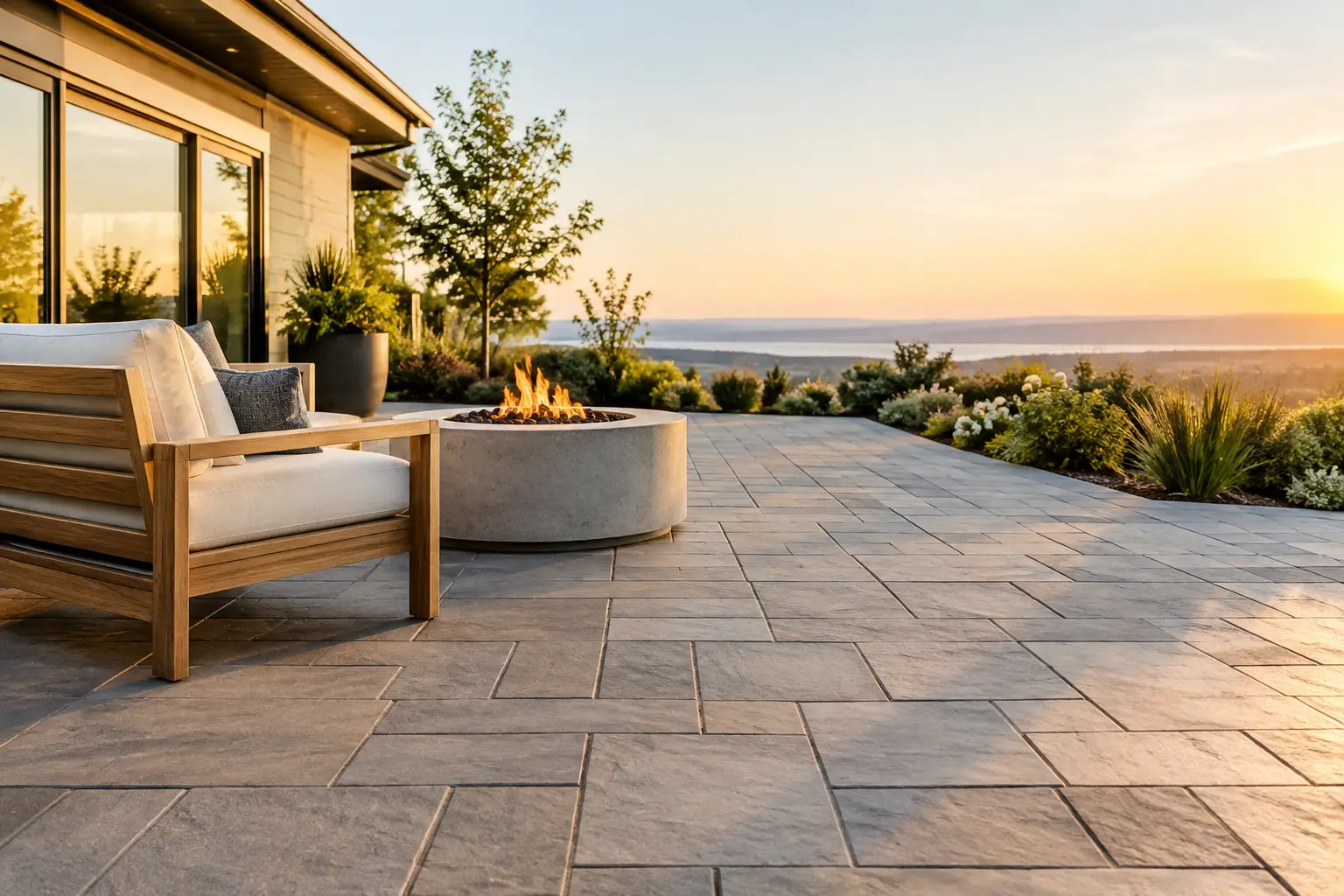
A patio does far more than connect the home to the garden. It sets the tone for slow weekend breakfasts, evening entertaining, poolside relaxation, and the everyday pleasure of spending time outdoors. The right durable patio surface options should look considered from the first day while standing up to sun, rain, foot traffic, furniture, and the occasional spill without demanding constant attention.
For a design-led home or hospitality setting, longevity is not simply about choosing the hardest material. It is about selecting a surface that suits the climate, how the area will be used, the architecture of the building, and the level of maintenance you are genuinely prepared to give it. A beautiful patio should feel effortless to live with.
What Makes a Patio Surface Truly Durable?
Durability has several layers. A surface may be exceptionally strong but uncomfortable underfoot, or visually appealing but prone to staining. The best choice balances structural performance with practical daily use.
Start with weather exposure. Full sun can fade lesser finishes and make some materials uncomfortably hot. Areas with frequent rain need effective drainage and a finish with dependable slip resistance. In coastal settings, salt-laden air adds another consideration, particularly for metal fixings and natural materials.
Then consider movement and maintenance. Patios expand and contract through seasonal temperature changes, while poorly prepared ground can settle over time. A long-lasting installation depends as much on the sub-base, drainage, edge restraint, and correct spacing as it does on the surface itself. Even premium materials cannot compensate for poor groundwork.
Finally, think about the experience. A family patio, a restaurant terrace, and a quiet courtyard may all need durable finishes, but they do not need the same one. Comfort, sound, visual warmth, cleaning requirements, and repairability all matter.
Durable Patio Surface Options for Modern Outdoor Living
Porcelain pavers: refined and remarkably practical
Outdoor porcelain pavers have become a favorite for contemporary homes because they offer a clean, architectural appearance with very low upkeep. They are dense, nonporous, resistant to fading, and far less likely to absorb spills than many natural materials. That makes them an elegant choice near outdoor kitchens, dining areas, and pool surrounds.
Porcelain is available in stone, concrete, and wood-inspired looks, allowing the patio to complement the home’s interior finishes. Choose a product specifically rated for exterior use, with a textured or grip finish where the surface may become wet. Smooth indoor tiles are not a substitute.
The trade-off is installation. Porcelain requires precise cutting, a stable base, and suitable adhesive or pedestal support depending on the system. It can also feel cool underfoot in mild weather and hard under bare feet for long periods. Still, for crisp lines and a premium finish that stays composed with minimal maintenance, it is difficult to overlook.
Composite decking: warm texture without timber’s upkeep
Composite decking brings the inviting character of wood to patios, balconies, garden paths, and poolside zones without the routine sanding, staining, and sealing associated with traditional timber. Quality composite boards are designed to resist moisture, insects, splintering, and everyday fading, making them particularly appealing for homeowners who want a warm outdoor surface that remains easy to manage.
This option excels where the patio needs to soften a modern exterior. Its linear boards can visually lengthen a compact courtyard or create a natural transition from indoor flooring to a garden entertainment area. It also tends to feel more comfortable than stone beneath bare feet.
Not all composite decking performs equally. Look for boards made for outdoor exposure, a dependable substructure system, concealed fastening where appropriate, and expansion gaps installed to specification. Darker colors may absorb more heat in direct sun, while lower-quality boards can show scratching or uneven color changes. A well-selected composite surface offers an especially strong balance of luxury, comfort, and low maintenance.
Natural stone: enduring character with individual variation
Natural stone gives a patio a sense of permanence that manufactured materials often imitate but rarely duplicate. Travertine, slate, granite, sandstone, and limestone each have their own grain, tonal movement, and texture. For homes with layered landscaping, traditional architecture, or a desire for a more organic outdoor setting, stone can be a compelling investment.
Granite is among the harder and more resilient choices, while slate can provide attractive natural texture. Travertine is popular around pools because it can remain relatively comfortable underfoot, although its pores and finish need thoughtful consideration. Softer stones, including some limestones and sandstones, may require sealing and more attentive cleaning to reduce staining and weathering.
Stone is not a single category with a single performance standard. Its durability depends on the specific variety, thickness, finish, installation, and local conditions. Ask for samples and view them outdoors at different times of day. The variation that makes stone beautiful also means you should expect a patio with character rather than a perfectly uniform surface.
Concrete: adaptable, cost-conscious, and design-forward
Concrete has moved well beyond its purely utilitarian reputation. It can be broom-finished for grip, exposed with aggregate for texture, colored, stamped, or finished in large-format slabs for a more minimal look. When properly poured over a prepared base and finished with drainage in mind, concrete provides a durable foundation for high-traffic patios.
Its greatest advantage is flexibility. Concrete can suit expansive entertaining spaces, contemporary courtyards, and practical service areas, often at a more accessible starting cost than premium stone. It also creates a calm backdrop for wood-inspired exterior cladding, planted borders, and sculptural outdoor furniture.
The limitation is cracking. Control joints help manage natural movement, but they do not make concrete immune to settlement, temperature shifts, or inadequate preparation. Repairs may remain visible, and decorative finishes can need resealing over time. Concrete works best when its honest, structured appearance is part of the design vision rather than an afterthought.
Clay brick: classic appeal with a forgiving surface
Brick patios bring warmth, texture, and a familiar sense of place. They work beautifully with garden-focused homes, heritage-inspired architecture, and outdoor spaces that benefit from a more relaxed, lived-in finish. Clay brick is naturally durable, retains its color well, and can often be lifted and relaid if access to underground services or localized settling becomes an issue.
A textured brick surface offers useful grip, and its smaller format can accommodate gentle curves and detailed edging. Over time, brick develops a patina that many homeowners value. Moss and dirt may collect in shaded joints, however, and the surface can become uneven if the base is not properly compacted. Regular sweeping and occasional joint maintenance keep it looking intentional rather than neglected.
Gravel and permeable finishes: relaxed, drainage-friendly solutions
For informal patios, fire-pit areas, and garden seating zones, gravel can be a highly effective solution. It drains well, is relatively simple to install, and creates a soft, natural contrast against greenery and structured exterior surfaces. Stabilizing grids and crisp edge restraints can make it feel far more polished than a loose, temporary layer of stone.
Gravel is less suited to dining areas with lightweight chairs, spaces used by people with mobility needs, or patios where children regularly play. Loose pieces can travel into the home or garden, and raking is part of the upkeep. Yet in the right setting, it offers a relaxed elegance and a useful answer to drainage challenges.
Choose by How the Patio Will Be Used
The most successful surface begins with the life happening on it. For an outdoor dining area, porcelain or composite decking offers a level, easy-clean foundation for furniture. Around a pool, prioritize bare-foot comfort, slip resistance, and heat retention rather than appearance alone. For a high-traffic hospitality terrace, select a commercial-grade finish that can tolerate frequent cleaning, moving chairs, and sustained use.
If the patio borders a contemporary façade, consider how the surface will relate to wall finishes, screens, and landscaping. Wood-inspired composite decking can introduce warmth against concrete and glass, while porcelain can create visual continuity with a refined indoor floor. A deliberate transition between vertical and horizontal surfaces makes the entire outdoor room feel more resolved.
Installation Details Protect the Investment
A durable surface is only as reliable as what sits beneath it. Ensure the patio is graded away from the building, with drainage planned before the final finish is selected. Water should not collect near doors, foundations, or low points in the garden.
For decking, allow ventilation beneath the boards and use the specified joist spacing, clips, and expansion gaps. For pavers and stone, choose a base appropriate to the site and material, then use movement joints where required. Edge restraints deserve equal attention, especially with brick and gravel, because they preserve clean lines and prevent gradual spreading.
It is worth choosing experienced installers who understand the product system rather than simply laying a surface by habit. The details are rarely glamorous, but they are what preserve the polished result.
A Patio That Ages With Confidence
The best patio surface does not need to be precious. It should support the way you gather, relax, and enjoy your property while retaining its design integrity through changing seasons. Whether you prefer the quiet precision of porcelain, the inviting warmth of composite decking, or the natural variation of stone, choose a material that feels right underfoot and remains credible years from now.
A well-planned patio becomes more than an exterior finish. It creates a setting for extraordinary outdoor living, with the comfort, character, and lasting performance to make every square foot feel considered.