

Blog
Outdoor Composite Panel Review for Modern Exteriors

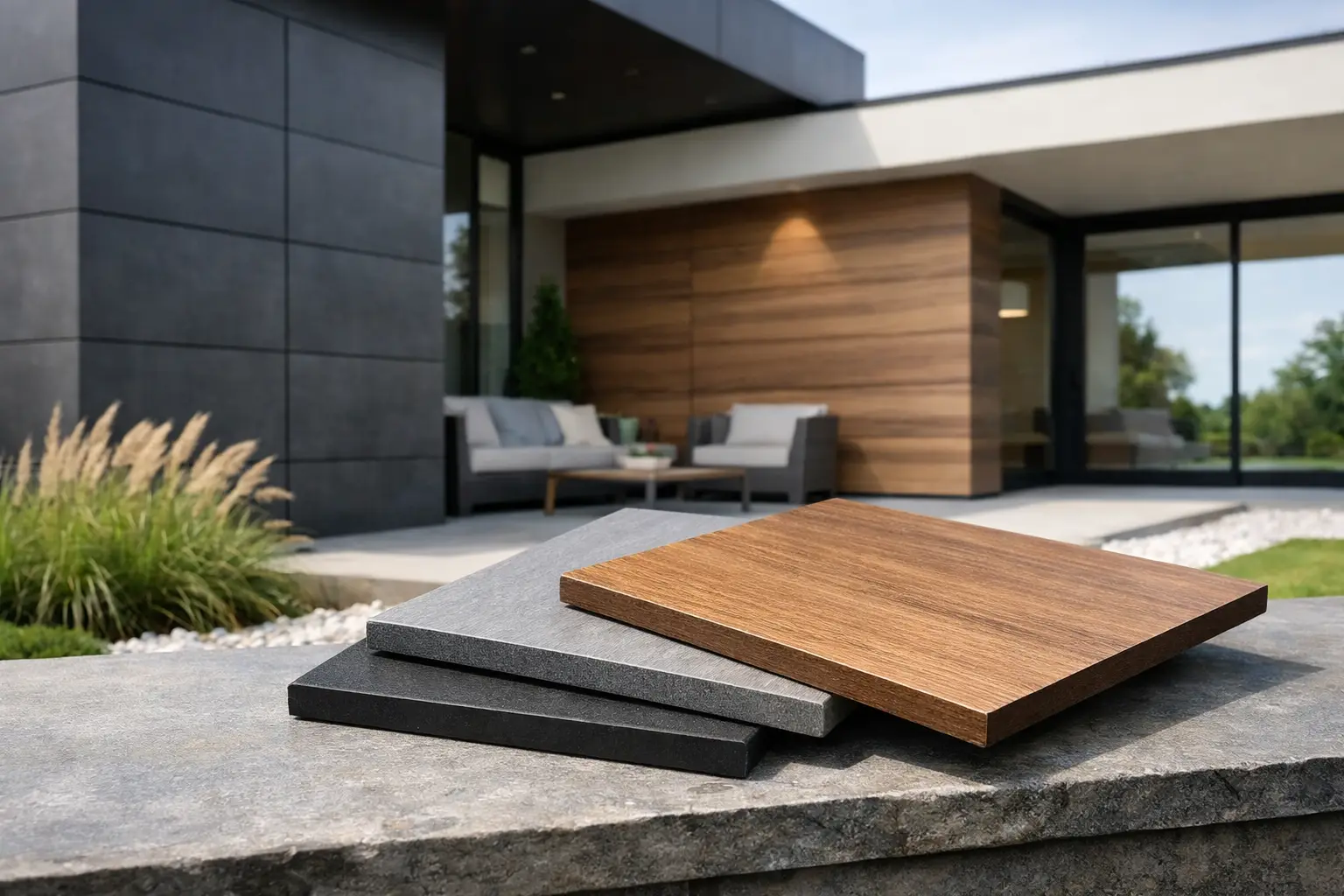
A blank boundary wall, weathered patio cladding, or unfinished outdoor kitchen can make an otherwise considered property feel incomplete. This outdoor composite panel review looks beyond the first impression to assess what these panels bring to a home or commercial project: a refined timber-inspired finish, dependable outdoor performance, and a far lighter maintenance commitment than natural wood.
For homeowners, designers, and contractors, the appeal is clear. Composite panels introduce warmth, depth, and architectural rhythm to exterior spaces that often rely too heavily on plaster, brick, or paint. The better question is not whether they look good on day one. It is whether the material, installation method, and finish are right for the exposure and standard of the project.
What Outdoor Composite Panels Are Designed to Do
Outdoor composite wall panels are engineered architectural finishes, typically made from a blend of recycled wood fibers and polymer materials. They are designed to capture the visual character of timber while reducing the familiar concerns associated with exterior wood: regular sealing, splitting, rot, and insect damage.
They are especially effective where a project needs visual softness without sacrificing a clean, contemporary profile. A slatted feature wall can give a poolside area more privacy. A cladded entrance can make a simple facade feel intentional. On hospitality and retail projects, panels can create a consistent material language from the street-facing exterior through to sheltered courtyards and terraces.
That said, composite is not a substitute for every exterior material. It is a decorative cladding solution, not a structural wall system. It needs a stable backing structure, correct fixing points, and room for movement as temperatures change. Treating it as a premium finish rather than a quick cover-up is the difference between an installation that remains polished and one that develops avoidable issues.
Outdoor Composite Panel Review: The Strengths That Matter
The strongest reason to choose composite panels is their balance of appearance and practicality. Quality panels offer a convincing wood-inspired surface with consistent color and texture across a large installation. This is useful when natural timber variation would make it difficult to achieve a controlled, contemporary look.
Weather resistance is another major advantage. Composite panels do not need to be painted, stained, or sealed at the same intervals as timber. They are built to withstand moisture, sun exposure, and changing outdoor conditions with considerably less upkeep. For busy households, hospitality venues, and commercial properties, this removes a recurring maintenance task from the schedule.
The panels also support design flexibility. Deep charcoal can create a dramatic contrast against pale plaster. Warm teak-inspired tones sit comfortably beside stone, greenery, and neutral outdoor furniture. Lighter wood finishes can soften modern architecture without introducing the maintenance demands of pale natural timber. Because the profile is consistent, designers can extend the finish across walls, screens, soffits, and selected ceiling areas for a more cohesive result.
Installation is generally cleaner and more predictable than building a traditional timber feature. Purpose-made trims, corner edges, and end details give the project a finished appearance while concealing cut edges and transitions. This is not merely cosmetic. Proper accessories help protect vulnerable panel ends and create the crisp lines expected in a high-specification exterior.
Where Performance Depends on the Details
No outdoor cladding is maintenance-free, and no panel should be selected without considering its location. Composite performs best when the installation respects water management, airflow, and expansion requirements.
A wall exposed to direct afternoon sun will experience more heat than a sheltered veranda. Over time, some degree of natural weathering or subtle color change can occur, particularly on dark finishes in high-UV conditions. This is normal for many exterior products, but it reinforces the value of choosing a quality panel designed for outdoor use rather than adapting an interior product for an exterior wall.
Drainage matters just as much. Panels should not trap water behind the cladding, and the substrate must remain sound. A correctly spaced batten system or suitable framework creates ventilation behind the panels, helping moisture escape rather than linger against the wall. On low-level applications, keep the cladding clear of standing water, soil, and irrigation overspray wherever possible.
Expansion gaps are another non-negotiable detail. Composite materials respond to temperature changes, so installers need to follow the recommended spacing and fastening approach. Forcing boards tightly together may look neat initially, but it can lead to buckling or uneven joints when conditions shift. This is one area where professional installation experience is worth more than a rushed shortcut.
The Finish Is Premium Only When the Installation Is Precise
Composite panels are often described as easy to install, and that is true when the installer understands the system. Easy does not mean improvised. The supporting surface should be level, secure, and appropriate for the panel weight and wind exposure. Fasteners must be positioned as intended, cuts should be clean, and trims should be planned before the first board is fixed.
Corners, window returns, and panel terminations deserve particular attention. These details are where a design-led exterior can either feel tailored or visibly unfinished. Coordinated corner edges and end slats create a deliberate transition between materials, while V-groove solutions can introduce a more architectural linear effect where the design calls for it.
For larger commercial facades or exposed sites, confirm the required fixing method and substrate specification before ordering. Wind load, wall condition, building height, and local code requirements can influence the appropriate installation approach. A beautiful panel cannot compensate for inadequate preparation behind it.
Maintenance: Low Effort, Not No Effort
One of the most persuasive findings in any outdoor composite panel review is the reduced care requirement. Routine cleaning is usually straightforward: remove loose dust or leaves, then wash the surface with water and a mild cleaner as needed. A soft brush can help lift grime from textured profiles. Avoid harsh solvents, abrasive pads, or high-pressure cleaning at close range, as these can mark or damage the surface.
Outdoor kitchens and dining areas may need more frequent attention because of grease, smoke, and food residue. Pool surrounds can collect mineral deposits and sunscreen marks. In these settings, clean spills early rather than allowing them to bake onto the surface in the sun.
This modest care routine is a practical luxury. Instead of scheduling sanding, staining, and resealing, owners can spend more time enjoying the terrace, courtyard, or entertainment area the cladding helped create.
Is Composite the Right Choice for Your Exterior?
Composite panels are an excellent fit when the goal is a warm, wood-inspired look with predictable performance and minimal ongoing maintenance. They suit contemporary homes, covered patios, privacy screens, outdoor feature walls, reception entrances, restaurant terraces, and hospitality courtyards particularly well.
Natural timber may still be the preferred choice for projects that value organic variation, a material that can be refinished over decades, or a distinctly traditional architectural character. Stone, porcelain, and fiber cement may be better suited to areas that receive extreme impact or where a very different visual language is required. Material selection should follow the demands of the site, not simply a trend.
For projects that prioritize clean lines and an elevated finish, Inspiration Wood’s outdoor composite range offers a considered route to timber-inspired design without the familiar maintenance burden. The most successful results come from choosing a color that belongs to the architecture, allowing for correct ventilation and movement, and giving trims the same attention as the panels themselves.
A well-clad exterior does more than cover a wall. It gives outdoor living spaces a sense of permanence, turning an exposed edge of the property into a place that feels composed, welcoming, and ready to be enjoyed.