

Blog
Can Wall Panels Go Outdoors? What to Choose

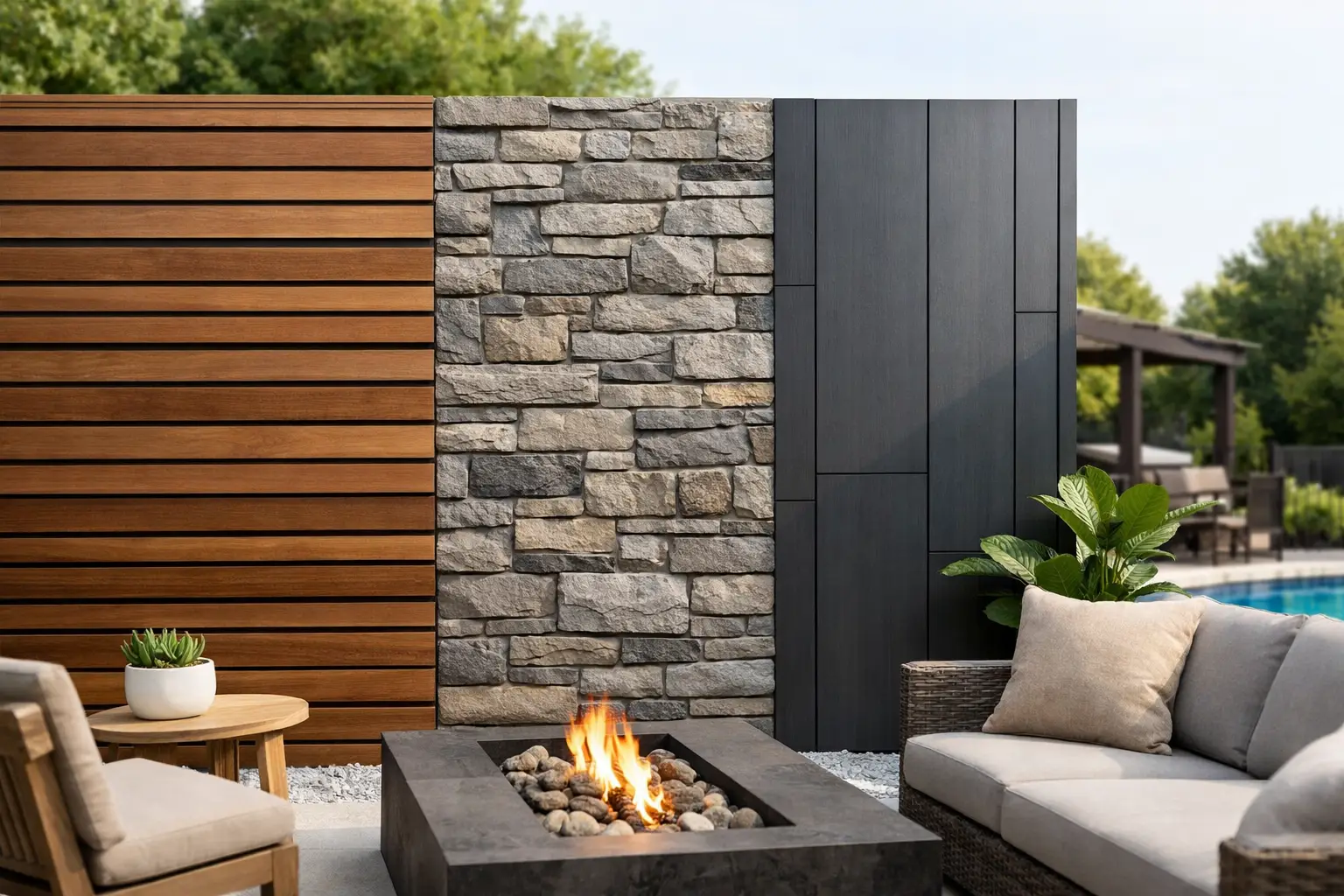
A beautifully paneled exterior can give a plain boundary wall, patio, entryway, or hospitality terrace the warmth of timber without committing to traditional wood maintenance. But can wall panels go outdoors? Yes, provided they are specifically engineered for exterior use. The distinction matters: a panel that performs beautifully in a lounge or office may fail quickly when exposed to UV, rain, temperature swings, and moisture.
For a lasting result, exterior paneling should be treated as part of the building envelope, not simply as decoration attached to a wall. The right material, detailing, airflow, and installation method will determine whether the finish remains refined for years or becomes a costly repair.
Can Wall Panels Go Outdoors Safely?
Outdoor wall panels can perform exceptionally well when they are made from weather-resistant materials and installed according to the manufacturer’s specifications. Composite wood wall panels, for example, are designed to bring a convincing wood-inspired finish to exterior spaces while avoiding many of the vulnerabilities associated with natural timber.
The key is to choose a panel rated for the conditions it will face. Exterior surfaces receive direct sunlight, wind-driven rain, airborne dust, humidity, and changing temperatures. In coastal areas, salt in the air adds another consideration. A suitable outdoor panel needs to resist moisture absorption, warping, cracking, insect damage, and excessive fading.
Indoor acoustic slat panels serve a different purpose. They are designed to elevate interiors and improve sound absorption, making them ideal for living rooms, bedrooms, offices, restaurants, and meeting spaces. They should not be assumed to be weatherproof simply because they have a wood finish. Use each product where it is intended to perform.
Choose an Exterior-Grade Panel, Not Just a Wood Look
The most successful exterior projects begin with a material decision, not a color decision. A premium finish is only premium when it continues to look considered after a season of sun and rain.
Exterior composite panels are a practical choice for homeowners and professionals who want the character of wood with less ongoing care. Their engineered composition is made for outdoor exposure and offers a stable, low-maintenance alternative to untreated timber. They are especially effective on covered patios, pool surrounds, feature walls, courtyard boundaries, exterior ceilings, entrance recesses, and commercial facades.
Natural timber can also be used outdoors, but it asks more of the owner. Even durable species require appropriate sealing, regular inspection, and maintenance to manage moisture and UV exposure. If the desired look is clean, contemporary, and reliably low-maintenance, composite paneling is often the more commercially sensible option.
Color selection deserves practical thought as well. Dark tones create drama and architectural depth, particularly around modern entrances and entertainment areas. However, they can absorb more heat in strong sunlight. Lighter wood-inspired shades may feel cooler and can make compact patios or narrow passageways appear more open. Requesting product guidance for a sun-exposed elevation is always wiser than selecting solely from a screen image.
Weather Resistance Depends on the Whole Installation
Even the best outdoor panel cannot compensate for poor preparation. Exterior cladding needs a stable substrate, correct spacing, and a route for water to escape. If moisture is trapped behind panels, it can affect the supporting structure and undermine the finished appearance.
A ventilated cavity behind the panel system is often essential. This small gap allows air to circulate and helps any incidental moisture dry out rather than sitting against the wall. Battens or an approved subframe create the necessary stand-off, while the panel layout should allow for drainage at the base.
Expansion is another detail that should not be overlooked. Composite materials can move slightly as temperatures change. Installers need to follow the recommended expansion gaps, fixing positions, and fastener types for the selected system. Panels fixed too tightly may bow or place unnecessary stress on clips and trims during hot weather.
Finishing accessories are not an afterthought. Corner edges, trims, end slats, and compatible fixings produce the crisp, intentional lines that distinguish a professionally finished surface from a DIY-looking installation. They also protect exposed edges and help manage transitions around doors, windows, soffits, and changes in direction.
Where Outdoor Wall Panels Make the Biggest Impact
Exterior paneling is most powerful when it gives structure to a space that otherwise feels unfinished. Rather than covering every wall, consider using it to frame an experience.
At an entry, a vertical panel feature can turn a simple front elevation into a composed arrival moment. On a covered patio, panels can soften hard masonry and connect the entertaining zone to the garden. Around a pool or courtyard, wood-inspired composite finishes introduce warmth without the repetitive sanding, staining, and sealing associated with many timber installations.
For hospitality and commercial projects, outdoor panels offer a polished way to define alfresco dining areas, reception approaches, terrace partitions, or branded facade details. The material can carry a natural, welcoming visual language while still meeting the practical demands of a high-traffic setting. Consistent trim details and a deliberate panel direction help create the tailored finish guests and clients notice.
Panel direction changes the visual effect. Vertical lines add height and formality, making them well suited to entrances, narrow walls, and contemporary facades. Horizontal panels can make a long boundary wall feel broader and more relaxed. Before installation, map out joins, corner treatments, and termination points so the composition looks purposeful from every angle.
Consider Exposure Before Finalizing the Design
Not every exterior wall faces the same conditions. A covered veranda wall is sheltered from direct rain but may still experience humidity and reflected heat. A west-facing facade can receive intense afternoon sun. An exposed garden wall may be hit by heavy rain, irrigation overspray, and soil splash.
Assess the location before ordering. Look at the direction of the sun, the amount of roof protection, drainage around the base of the wall, and whether nearby sprinklers will regularly wet the surface. If panels will sit close to paving or planting beds, maintain proper clearance and avoid allowing soil, mulch, or standing water to build up against the bottom edge.
Exterior panels are low maintenance, not no maintenance. A periodic rinse with clean water and a soft brush can remove dust and everyday grime. Use mild cleaning methods recommended for the product, and avoid abrasive pads, harsh solvents, or pressure washing at close range unless the manufacturer explicitly permits it. A small amount of routine care protects the finish and keeps the space looking as considered as the day it was installed.
Plan Installation for a Premium Result
Many panel systems are designed to make installation more efficient than traditional timber cladding, but precision still matters. Measure the full wall, account for trims and waste, and check that the substrate is level before the first panel goes up. A few millimeters out of square at the start can become obvious across a long feature wall.
For substantial elevations, difficult access, or projects involving waterproofing and facade interfaces, professional installation is a worthwhile investment. Architects, contractors, and shopfitters should confirm local building requirements, fire considerations, and the product’s approved application before specifying a system. This is particularly relevant for commercial properties and multi-story buildings.
Homeowners can also achieve a strong result by keeping the design focused. One carefully detailed feature wall often has more impact than paneling every available surface. Pair the finish with warm exterior lighting, clean-lined planters, textured stone, or black architectural hardware to create a layered outdoor setting that feels calm, elevated, and complete.
The Right Panel Lets the Exterior Work Harder
Outdoor paneling is not only about covering a wall. It is an opportunity to turn neglected edges of a property into spaces that feel designed for living, gathering, and making an impression. With exterior-rated composite panels, appropriate ventilation, and well-resolved trims, the natural appeal of wood can move confidently beyond the interior.
Choose a system suited to the exposure, let the architecture guide the layout, and give installation details the same attention as the finish itself. That is how an outdoor wall becomes a lasting part of an extraordinary home or commercial space.