

Blog
Guide to Composite Facade Panels for Modern Homes

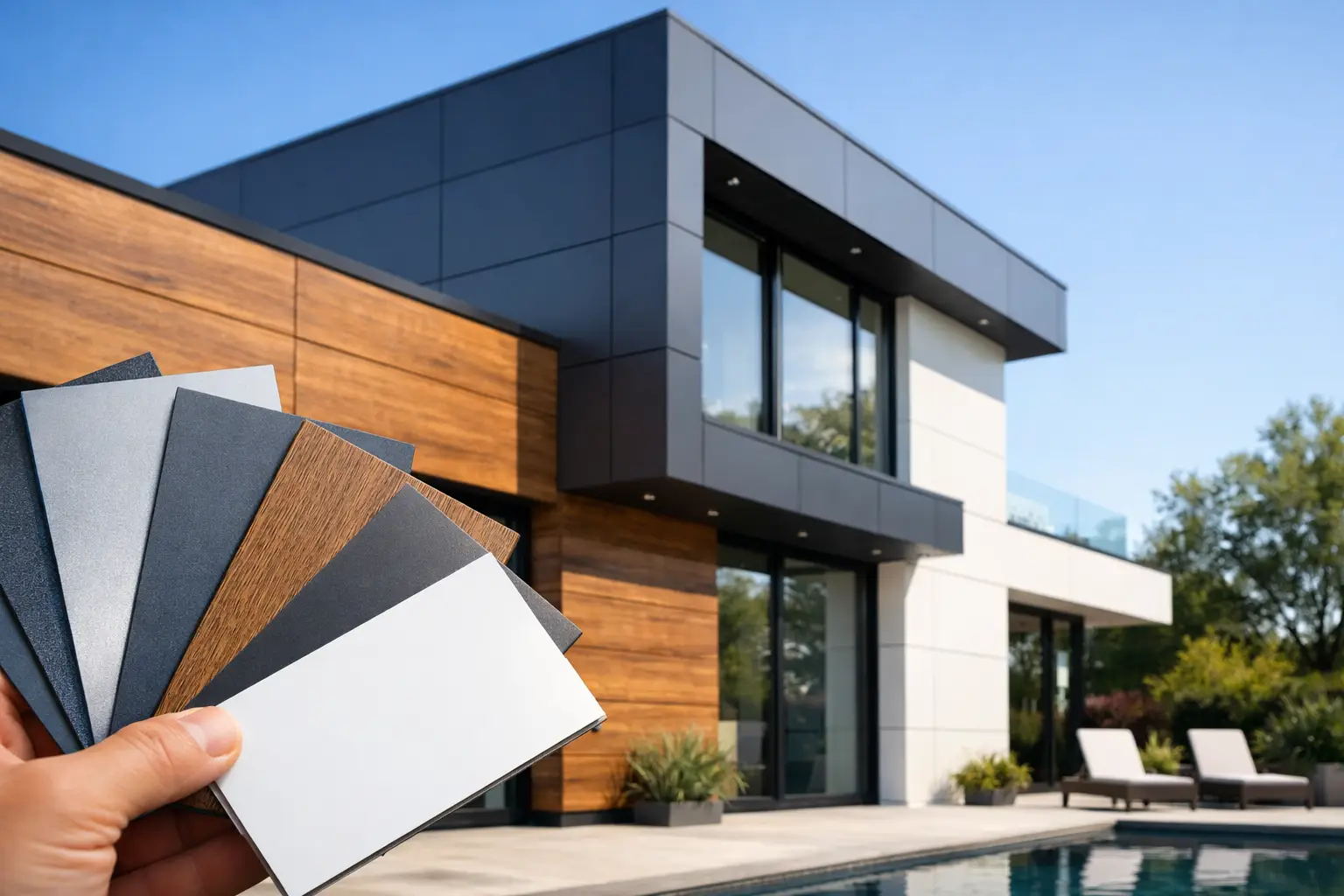
A well-designed facade does more than make a property look finished. It sets the tone before anyone steps inside, protects the building envelope, and can turn an ordinary exterior into a memorable architectural statement. This guide to composite facade panels will help you assess whether this low-maintenance, wood-inspired finish is right for your residential or commercial project.
What Are Composite Facade Panels?
Composite facade panels are exterior cladding boards or systems manufactured from a blend of recycled wood fibers, polymers, and performance-enhancing additives. They are designed to deliver the warmth and visual depth associated with timber while reducing many of the maintenance demands that come with natural wood.
For homeowners, the appeal is clear: a facade can have the texture and richness of wood without needing regular sanding, staining, sealing, or repainting. For architects, designers, and contractors, composite panels offer a consistent finish that can be specified across larger surfaces, from a feature entrance to a hospitality courtyard or a full commercial elevation.
The result is not intended to imitate timber in every imperfect detail. It is a modern material with its own strengths – clean lines, dimensional stability, weather resistance, and a refined architectural presence.
Why Composite Cladding Has Become a Design Favorite
Exterior surfaces face constant pressure from sun, rain, wind, airborne dust, and changing temperatures. Traditional timber can be beautiful, but its appearance and longevity depend on species, coating quality, detailing, and an ongoing maintenance plan. Composite cladding offers a practical alternative for projects where a natural look matters but maintenance time does not.
A quality composite facade system can help resist fading, moisture absorption, warping, splitting, and insect damage. This makes it particularly appealing for outdoor living areas, boundary walls, balcony surrounds, entry features, and contemporary garden-facing elevations.
Its value also lies in design flexibility. Wood-look panels can soften concrete, glass, brick, and plaster, adding balance to minimalist architecture. Dark tones create a dramatic, tailored contrast against pale walls, while lighter timber-inspired finishes can bring warmth to clean-lined modern homes. In commercial spaces, composite cladding can help create a more welcoming arrival experience without compromising on durability.
That said, performance is never determined by the board alone. Panel quality, substructure design, ventilation, fixings, drainage, and installation standards all influence the finished result.
Choosing the Right Composite Facade Panel
The best panel for a project depends on where it will be installed, the desired visual effect, and the exposure it will receive. A sheltered entry wall has different demands from a sun-facing pool enclosure or a coastal-facing restaurant facade.
Start With the Intended Application
Consider whether the panel will be used as a decorative feature, a full facade treatment, a privacy screen, or an exterior ceiling finish. Feature walls may allow more freedom in color and profile, while larger elevations need careful attention to board lengths, joint placement, expansion gaps, and visual repetition.
For high-traffic commercial settings, choose a finish that will continue to look polished despite frequent cleaning and close viewing. For residential projects, think about how the facade connects to the interior palette, landscaping, paving, window frames, and outdoor furniture. The strongest designs treat exterior cladding as part of a complete material story rather than an isolated accent.
Consider Color in Natural Light
A sample viewed indoors rarely tells the whole story. Composite finishes can look noticeably different in direct sun, shade, and overcast conditions. Darker panels often feel striking and luxurious, but they may absorb more heat in exposed locations. Lighter shades can make compact facades feel more open and may be more forgiving where dust or water marks are a concern.
Ask for samples and view them against the actual exterior wall at different times of day. This simple step can prevent a costly mismatch between the envisioned design and the installed finish.
Look Beyond the Surface Texture
Wood grain, brushed finishes, and contemporary grooved profiles all create different effects. A fine linear profile can emphasize height and rhythm, making it well suited to entry features and vertical applications. Wider boards can feel calmer and more expansive on broad walls. Framing pieces, corner edges, end caps, and trims are equally important because they give the installation a considered, complete appearance.
A premium facade is defined as much by the edges and transitions as by the panels themselves.
Installation Details That Protect the Investment
Composite facade panels are often chosen because they are easier to maintain than timber, not because installation details can be overlooked. A clean installation begins with a sound, level substrate and a correctly specified support framework.
Panels need room to expand and contract as temperatures change. The installer must follow the manufacturer’s recommended spacing, fastening pattern, and orientation. Failing to allow for movement can lead to buckling, uneven joints, or visible stress around fasteners.
Ventilation behind the cladding is another essential consideration. A ventilated cavity allows moisture to drain and air to circulate behind the boards, supporting the long-term condition of both the facade system and the underlying wall. Flashings, drainage paths, and openings around windows and doors must be planned before boards are installed, not improvised at the end.
For this reason, composite cladding is usually best installed by an experienced contractor, especially on elevated facades, large commercial surfaces, or projects that require precise detailing around corners and openings. A capable installer will also understand the importance of using compatible trims and approved fasteners rather than substituting materials that may compromise the finish.
Climate, Codes, and Real-World Performance
Composite panels can perform exceptionally well outdoors, but “weather resistant” does not mean every product suits every condition without adjustment. Intense UV exposure, coastal air, heavy rainfall, freeze-thaw cycles, and high heat all affect material selection and installation planning.
If your property is in a hot, highly exposed setting, confirm the manufacturer’s guidance on color selection, thermal movement, and recommended spacing. In damp locations, ensure that water cannot collect behind the boards or at the base of the wall. Near the coast, use corrosion-resistant fixings appropriate to the environment.
Fire performance also requires careful attention. Building codes and project specifications may set requirements for facade materials, particularly on multi-story, hospitality, retail, or public buildings. Never assume that a decorative exterior panel meets a required fire rating. Review the relevant product documentation and consult the project professional responsible for code compliance before ordering.
These checks may feel technical, but they protect the look, safety, and lifespan of the completed facade.
Care and Maintenance: Simple, Not Zero
One of the strongest reasons to choose composite facade panels is the reduced maintenance requirement. Unlike many timber finishes, they generally do not require regular sealing or staining. Still, an exterior surface will collect dust, pollen, pollution, and marks from rainwater over time.
Routine cleaning with water, a soft brush, and a mild cleaner recommended for the product is typically enough to keep panels looking fresh. Avoid abrasive pads, harsh solvents, and high-pressure washing at close range, as these can damage the surface or force water into joints. Address spills, mold-prone debris, and drainage issues early rather than allowing them to become permanent visual distractions.
It is also wise to inspect trim pieces, fasteners, and gaps once or twice a year. Maintenance is minimal, but small checks help preserve a crisp, well-finished appearance.
Building a Facade That Feels Intentional
The most successful composite cladding projects use restraint. Covering every exterior wall in a wood-look finish can feel heavy, especially on smaller homes. Instead, use panels to frame a front door, define a covered patio, add privacy around an outdoor entertaining zone, or break up a large rendered wall.
Vertical cladding can add visual height to a single-story structure. Horizontal boards can make a narrow facade feel broader. Pairing composite panels with black aluminum, natural stone, smooth plaster, or textured masonry creates contrast while retaining a calm, premium palette.
For designers and builders, consistency matters. Specify the same finish across connected features such as screening, soffits, and selected wall areas where appropriate, then use trims to create disciplined transitions. Inspiration Wood’s exterior composite solutions are designed for this kind of polished, coordinated finish, where practical performance supports a stronger visual outcome.
A composite facade is most compelling when it does not simply cover a wall. It should give the building a clearer identity, add warmth where architecture feels stark, and make everyday arrival feel more considered.