

Blog
Exterior Wall Panels Comparison for Modern Homes

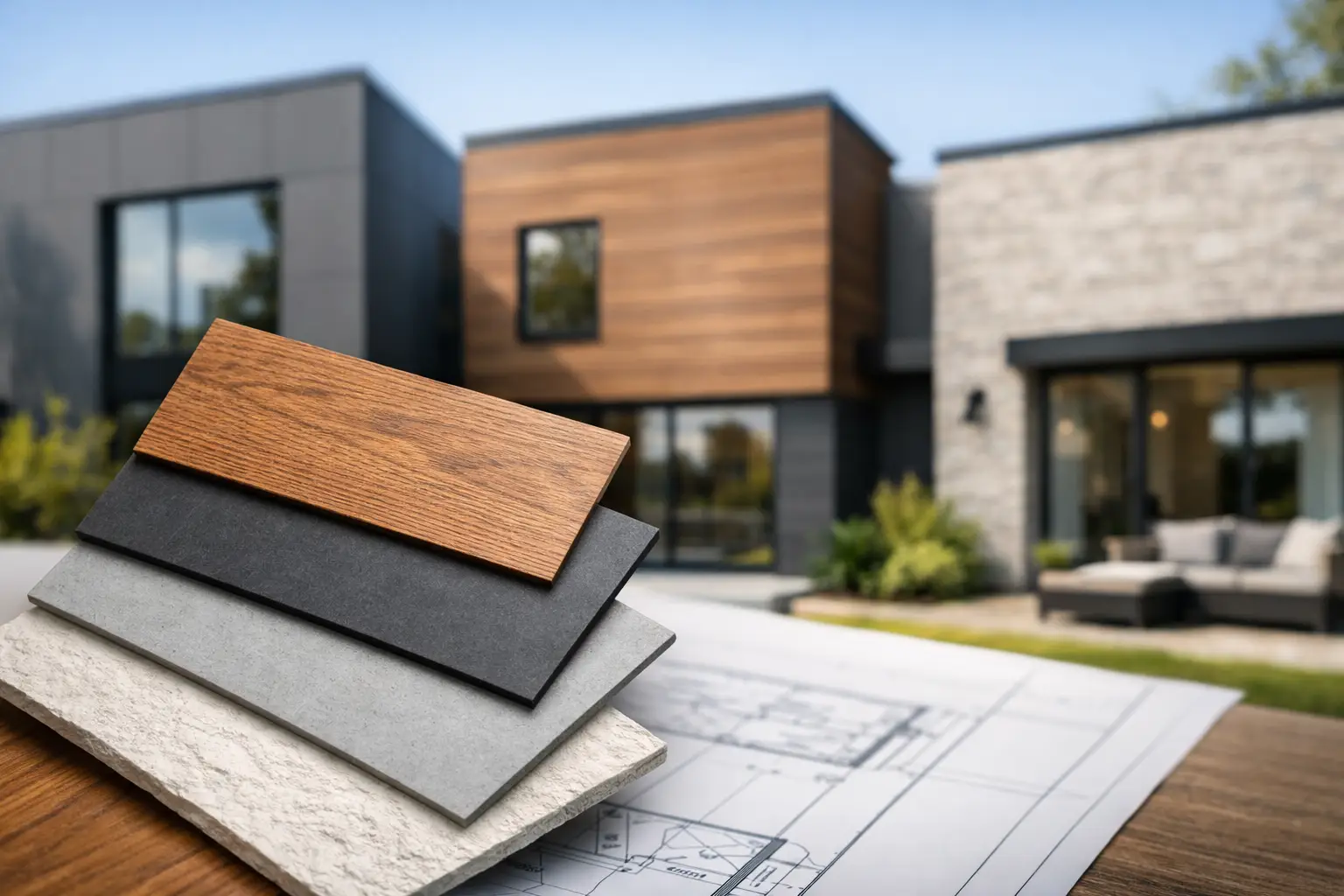
A facade has to do more than look considered on installation day. It must hold its finish through heat, rain, wind, dust, and everyday use while supporting the character of the property. This exterior wall panels comparison looks beyond first impressions to help homeowners, architects, and contractors select a finish that balances design intent, maintenance expectations, and long-term performance.
For a contemporary residence, hospitality venue, or commercial frontage, the right panel can turn a plain elevation into an architectural feature. The wrong choice can introduce frequent upkeep, visible fading, moisture issues, or a look that feels out of place within a few seasons. Material matters, but so do panel profile, fixing details, ventilation, and the conditions at the installation site.
Exterior Wall Panels Comparison: What Matters Most
There is no universal best exterior wall panel. A coastal property with high humidity and salt exposure needs something different from a sheltered urban courtyard or a sun-facing restaurant terrace. Start by defining where the paneling will sit, how exposed it will be, and what level of maintenance is genuinely realistic for the owner or facilities team.
A considered comparison should assess five areas: weather resistance, maintenance, visual finish, installation requirements, and whole-life value. Purchase price is only one part of the decision. A lower-cost material that needs repeated painting, sealing, or replacement may become the more expensive option over time.
It is also worth separating decorative exterior accents from full facade cladding. A sheltered entrance wall may allow more material choices than an entire building elevation exposed to driving rain. Always follow the manufacturer’s installation guidance, including requirements for substructures, expansion gaps, drainage, and airflow behind the panels.
Composite Wood Wall Panels
Outdoor composite wall panels combine wood fibers with recycled or engineered polymer content to achieve a warm, timber-inspired surface with substantially lower maintenance than natural wood. They are particularly suited to modern homes, garden rooms, boundary features, hospitality terraces, and commercial facades where a refined natural texture is desired without the regular care associated with timber.
Their strongest advantage is consistency. Quality composite panels are designed to resist moisture, insects, splitting, and warping, while retaining a composed finish through changing seasons. They do not require the routine staining or oiling that timber demands, making them an appealing choice for projects where the finished result should remain polished with simple cleaning.
Composite is not entirely maintenance-free. Dust, pollution, and organic buildup still need occasional washing, especially in shaded or wet areas. Darker shades can show surface dust more readily, and installation must allow for thermal movement. The substructure, clips, trims, corner edges, and end details are not minor extras – they create the crisp, premium result that makes paneling feel intentional rather than improvised.
For design-led projects, composite offers a strong balance of warmth and practicality. It is especially compelling when the goal is a wood-look feature wall that performs confidently outdoors.
Natural Timber Cladding
Real timber has depth, variation, and tactile character that manufactured materials cannot duplicate exactly. Species such as cedar, hardwood, or thermally modified timber can create exceptional facades, from relaxed coastal architecture to striking contemporary homes. For projects where natural aging is part of the design story, timber remains a beautiful option.
The trade-off is care. Timber responds to sunlight and moisture, and its color will change over time. Depending on the species, finish, location, and desired appearance, it may need cleaning, sealing, staining, or oiling at regular intervals. Even well-specified timber can crack, cup, or weather unevenly when exposure is severe.
Timber is best for clients who value authenticity and are comfortable treating maintenance as part of ownership. It can be less suitable for high-traffic commercial settings, remote properties, or large elevations where ongoing access and refinishing would be difficult. Responsible sourcing and correct detailing are also essential to its long-term value.
Fiber Cement Panels
Fiber cement is a practical facade material valued for its durability, fire performance, and broad range of painted, textured, and board-style finishes. It can suit modern residential builds as well as offices, retail spaces, and mixed-use developments. Its appearance tends to be more architectural and restrained than wood-look cladding, although some finishes imitate timber grain.
This material performs well against moisture, rot, and pests, and it generally requires less attention than natural wood. It is also dimensionally stable when properly installed. However, panels can be heavy, cutting may create silica dust, and installation calls for experienced handling, suitable safety practices, and precise detailing.
Fiber cement is a smart choice when a crisp painted facade, strong durability, and fire-conscious specification are priorities. It may feel less warm than composite wood panels, so it often works best when the design direction is clean, graphic, and contemporary rather than richly natural.
Metal Wall Panels
Metal panels offer a sleek, confident finish for contemporary architecture, industrial-inspired homes, retail exteriors, and commercial buildings. Aluminum and steel systems can be lightweight, durable, and available in a wide selection of colors and profiles. Their sharp lines work beautifully with glass, concrete, stone, and minimalist landscaping.
The material’s strengths are longevity and visual precision. Metal does not rot or attract insects, and quality coated systems can perform well in demanding weather conditions. Yet not all metals suit every setting. Coastal sites require careful selection of material, coating, and fixings to reduce corrosion risk. Dents, scratches, oil-canning, and noise from rain may also be considerations depending on the panel type and location.
Metal is ideal where the desired outcome is distinctly modern and linear. If the brief calls for the softness and natural rhythm of wood, composite cladding or timber may provide a more harmonious result.
PVC and Vinyl Exterior Panels
PVC and vinyl panels are often chosen for affordability, light weight, and easy cleaning. They can be practical for utility areas, budget-conscious renovations, and certain sheltered applications. Many options are quick to install and do not require painting.
Their limitations are largely aesthetic and environmental. Lower-grade panels may fade, become brittle, or look less convincing at close range, particularly in intense sun. Expansion and contraction can be noticeable, and some profiles lack the depth, texture, and finishing accessories needed for a premium architectural elevation.
PVC can make sense when function and cost control lead the brief. For a high-visibility facade, entrance feature, or hospitality setting, it is worth comparing samples in natural light before committing. The difference between a basic panel and a refined exterior system is often immediately visible.
Choosing a Panel for Your Setting
The most successful exterior schemes respond to the building rather than following a trend. A large wall may benefit from the visual rhythm of wider boards, while a narrow courtyard can feel taller with vertical paneling. Horizontal layouts often emphasize width and calm, whereas vertical lines create a more architectural, elongated effect.
Color deserves the same attention as material. Warm brown tones can soften concrete, plaster, and black-framed glazing. Deep charcoal panels bring drama and contrast but may absorb more heat and show dust in exposed environments. Mid-tone wood shades are often the most forgiving choice for everyday outdoor living spaces.
Consider the journey around the building as well. Trims, corner edges, end slats, and transitions around windows and doors give the installation its finished quality. They also protect vulnerable cut ends and help establish clean, purposeful lines. A premium facade is rarely just about the face of the panel.
A Practical Specification Checklist
Before ordering, confirm the panel’s intended exterior use, recommended fixing system, warranty terms, cleaning guidance, and suitability for your climate. Ask how the system manages drainage and ventilation, what expansion allowance is required, and whether matching trims are available for corners and exposed ends.
For larger projects, request a physical sample and view it outdoors at different times of day. A finish that looks perfect under showroom lighting can read differently beside existing brick, stone, paint, or landscaping. Designers and contractors should also confirm panel coverage calculations early, allowing for cuts, corners, and spare material.
Inspiration Wood’s outdoor composite wood panel solutions are designed for clients who want the visual comfort of wood with a more manageable approach to exterior maintenance. Paired with coordinating finishing components, they make it easier to create facades and feature walls that feel composed from every angle.
The best choice is the one that supports the life of the building after installation. Choose a panel system that complements the architecture, suits the exposure level, and remains realistic to care for – then let the exterior become a lasting expression of the space within.