

Blog
Composite Cladding vs Fibre Cement

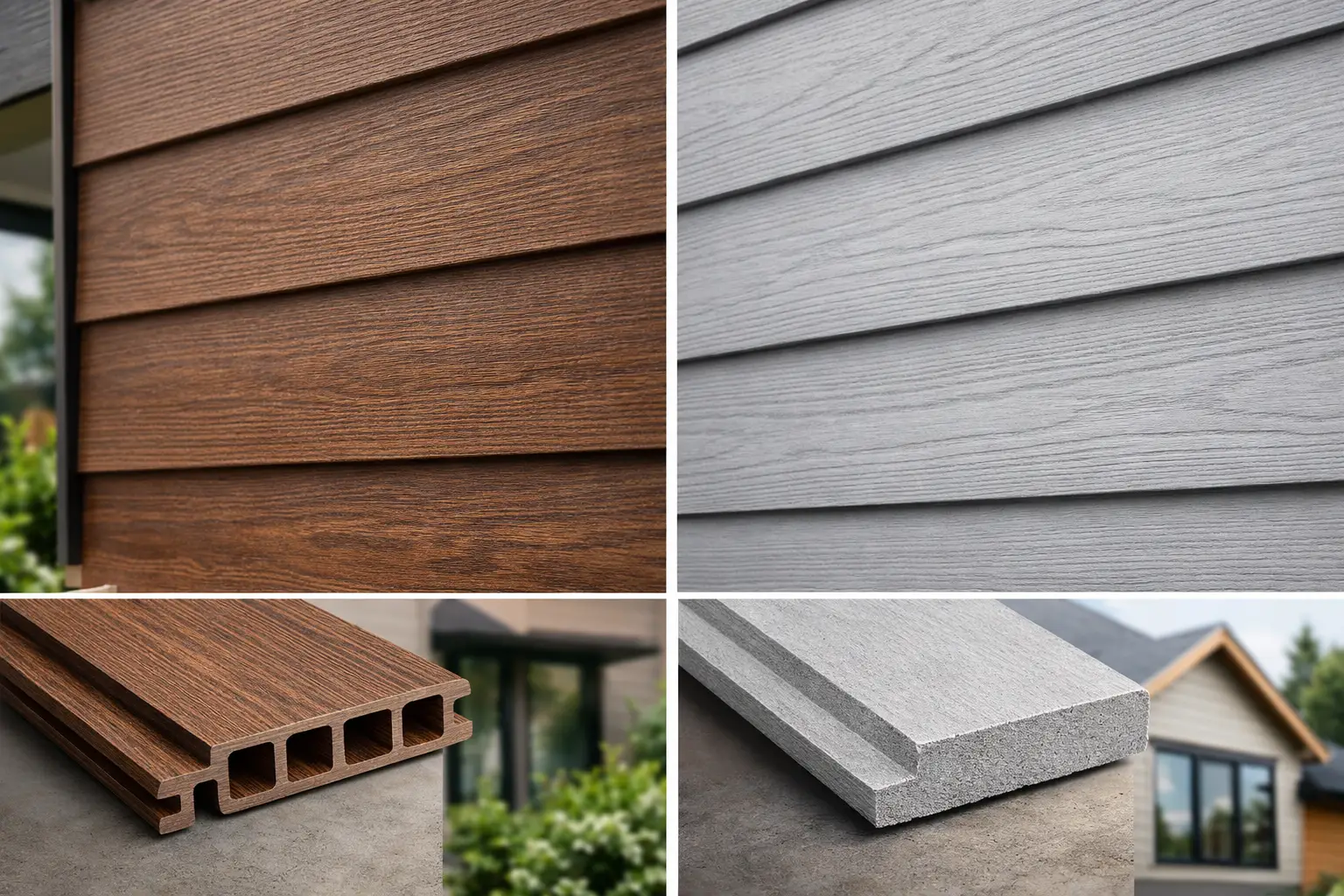
The wrong exterior finish shows up fast. A facade that looked refined on a sample board can feel flat once installed, or demand more upkeep than expected after one hard season of sun, rain, and dust. When weighing composite cladding vs fibre cement, the real question is not which material is better in theory. It is which one fits the way you want a building to look, perform, and age.
For homeowners, designers, and project teams, this choice usually comes down to three pressures at once – appearance, maintenance, and long-term value. Both materials are established options for modern exteriors. Both can outperform traditional timber in the right setting. But they create very different outcomes once you move from brochure images to lived experience.
Composite cladding vs fibre cement: what sets them apart?
Composite cladding is typically made from a blend of recycled wood fibers and plastic polymers, engineered to deliver the warmth of timber with far less maintenance. It is often selected for its consistent finish, contemporary profile options, and resistance to moisture-related issues that can affect natural wood.
Fibre cement is a cement-based board reinforced with fibers, designed for strength, stability, and weather resistance. It is commonly used in residential and commercial facades where a crisp, architectural appearance matters and where a non-combustible material may be preferred.
At a glance, both can suit clean-lined, design-led projects. The difference becomes clearer when you look at texture, installation method, maintenance expectations, and how each material responds to time and climate.
Which one looks more premium?
If your goal is a warm, elevated exterior with visible texture and a more natural visual rhythm, composite cladding usually has the edge. The best systems are designed to echo the character of wood grain while keeping the finish controlled and refined. That balance works especially well on modern homes, hospitality settings, and mixed-material facades where stone, glass, concrete, or metal need something softer to sit against.
Fibre cement leans in a different direction. Its strength is a sharper, more minimal architectural look. Depending on the product, it may be smooth, lightly textured, or finished to imitate timber, but it rarely offers the same depth and tactile warmth as a well-made composite board. It can look excellent on contemporary builds, especially where the design language is intentionally restrained.
This is often where the decision becomes emotional as much as practical. Composite tends to bring character. Fibre cement tends to bring precision. If the project calls for a more inviting, resort-like, or residentially luxurious finish, composite often feels richer. If it calls for a cooler, more disciplined facade, fibre cement may suit the brief better.
Maintenance and day-to-day ownership
One of the biggest reasons buyers compare composite cladding vs fibre cement is maintenance. This is where the gap can be wider than many expect.
Composite cladding is generally chosen for low upkeep. It does not need the regular sanding, staining, or sealing associated with traditional timber, and routine care is usually limited to basic cleaning. For busy homeowners or commercial properties that want a polished appearance without constant attention, that convenience matters.
Fibre cement is also relatively low maintenance compared with wood, but it is not maintenance-free in the same way. Painted or coated fibre cement may require repainting over time, especially in harsh sun or exposed conditions. The boards themselves are durable, but the finish often determines how fresh the facade continues to look year after year.
That distinction is important if you are pricing the material over its full life rather than at purchase. A facade that costs less upfront can become more expensive if refinishing is needed sooner than expected.
Durability in challenging climates
Exterior materials are judged slowly. The first year matters, but the fifth and tenth matter more.
Composite cladding performs well in environments where moisture resistance and dimensional stability are priorities. Quality products are engineered to resist rot, splintering, and insect damage, and they are less likely than natural timber to warp or crack due to changing weather conditions. In coastal or humid regions, that predictability can be a major advantage.
Fibre cement is also known for durability. It handles weather exposure well, resists pests, and does not rot. It can be a very dependable facade material when properly installed. That said, because it is a cementitious product, it can be more vulnerable to edge damage or cracking if handled poorly on site or subjected to impact.
Climate and location still matter. In areas with intense UV exposure, both products need to be assessed based on the quality of their finish and manufacturer specifications, not just the material category. A premium composite with good fade resistance can age beautifully. A lower-grade option may not. The same is true of coated fibre cement.
Installation: speed, weight, and finish quality
Installation is where specification choices start affecting budgets and timelines.
Composite cladding systems are often designed for efficient installation, with coordinated trims, corner solutions, and profile accessories that help create a clean finish. That system-based approach can reduce guesswork and make it easier to achieve a polished result, especially on projects where visual consistency matters. For builders and installers, this can translate into cleaner detailing and less site improvisation.
Fibre cement can also be installed effectively, but it is typically heavier and may require more cutting control, dust management, and careful handling. The finish quality often depends heavily on installer experience, board alignment, joint treatment, and paint performance. A well-executed fibre cement facade can look exceptional. A rushed one can look visibly uneven.
This is not just a contractor issue. It affects the client experience too. Materials that support a neater installation process tend to reduce delays, snagging, and visual compromise.
Cost: upfront price vs long-term value
There is no universal winner on cost because project scope changes everything. Board profile, substructure, finish level, labor rates, and site conditions all influence the final number.
In many cases, fibre cement can appear more affordable at the initial material stage. That makes it attractive for budget-sensitive projects or large facade areas where cost control is a primary concern. But the initial board price is only one part of the equation.
Composite cladding can command a higher upfront investment, particularly in premium ranges, yet it often delivers value through reduced maintenance, a more elevated timber-inspired appearance, and accessory systems that help streamline installation. For clients who care deeply about design quality and a lower-maintenance ownership model, that premium can feel justified.
The smarter question is not which one is cheaper. It is what you are paying for. If the facade is a major feature of the property, and you want warmth, consistency, and ease over time, composite may offer the better return. If the priority is a clean architectural envelope at a more restrained entry cost, fibre cement may make more sense.
Where each material works best
Composite cladding is especially strong for high-visibility residential facades, outdoor entertainment areas, hospitality projects, and commercial spaces that want a warmer, more lifestyle-driven finish. It suits designs where material richness matters and where owners want to avoid the maintenance cycle of real wood.
Fibre cement works well for minimalist homes, utility-conscious builds, and projects where a painted board system aligns with the design intent and budget. It is also often selected where fire performance requirements shape the specification, though that should always be reviewed against local code and the exact product being used.
For many modern projects, the decision is less about technical adequacy and more about the atmosphere you want to create. Exterior surfaces do not just protect a building. They define how it is perceived.
How to choose between composite cladding and fibre cement
Start with the visual standard you want to live with every day. If you want the softness and sophistication of wood-inspired design without the burden of traditional timber upkeep, composite is usually the more compelling option. That is why design-led brands such as Inspiration Wood focus on curated composite solutions that balance finish, durability, and ease of installation.
If your priority is a sharper, painted architectural board look with a potentially lower material entry point, fibre cement may be the right fit. It can be a strong and dependable choice when the detailing, coating system, and installation quality are all handled well.
The best specifications are rarely made by asking which material wins in general. They are made by asking which one supports the building you are trying to create, the maintenance level you can realistically commit to, and the impression you want the exterior to leave long after the project is complete.
A facade should do more than survive the weather. It should hold its presence, support the design vision, and still feel like the right decision years from now.