

Blog
Sound Absorbing Wall Panels for Home

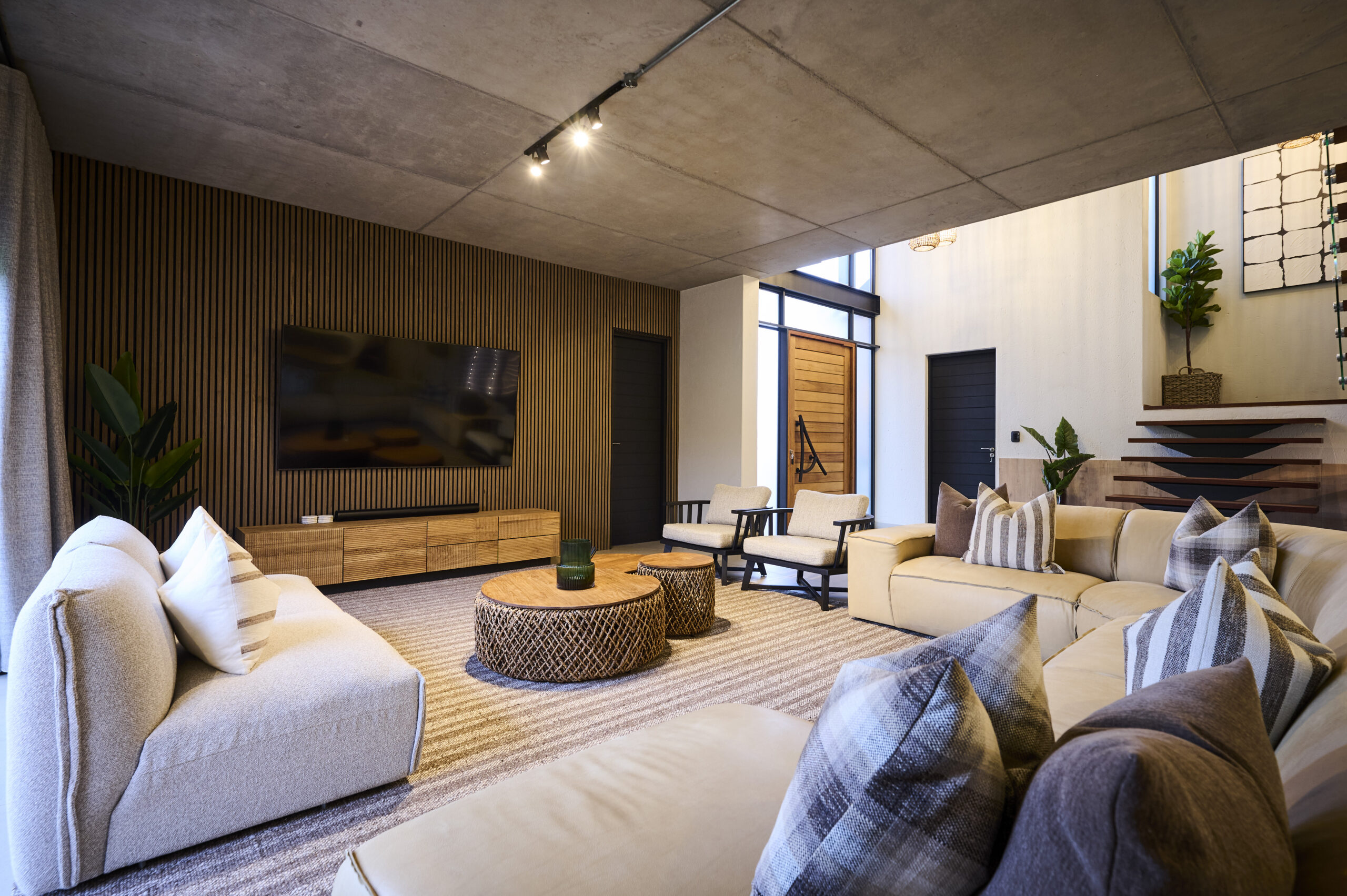
The room looked finished on paper – layered furniture, warm lighting, carefully chosen finishes – but every conversation bounced, the TV sounded sharper than it should, and the space never felt as calm as it looked. That is often the moment homeowners start searching for sound absorbing wall panels for home, not because they want a studio, but because they want a room that feels softer, quieter, and more considered.
Good acoustics change the experience of a space in ways people notice immediately. A living room becomes easier to relax in. A home office feels more focused. A bedroom feels less restless. When wall panels also bring texture, warmth, and architectural detail, they solve two problems at once – sound control and visual refinement.
Why sound matters more at home than most people expect
Modern homes are full of hard surfaces. Large-format tile, glass doors, painted walls, stone counters, and open-plan layouts all look clean and contemporary, but they also reflect sound. The result is echo, speech that feels slightly harsh, and background noise that seems to linger.
This does not always show up as a dramatic acoustic issue. More often, it appears as low-level discomfort. You turn the television down but still feel tired by it. Video calls sound busy even when the room is tidy. A dining area feels louder as soon as a few people sit down. These are the kinds of daily frustrations acoustic wall treatments are designed to improve.
Sound absorbing wall panels work by reducing reflected sound in a room. Instead of noise continuing to bounce off flat, hard surfaces, some of that energy is absorbed. The effect is a space that sounds clearer and feels more balanced. It is not about making a room silent. It is about making it livable.
What sound absorbing wall panels for home actually do
There is a common assumption that all wall panels are acoustic panels. They are not. Some are purely decorative. Others are built to contribute meaningfully to sound absorption through their materials and structure.
In residential spaces, the most useful acoustic panels reduce reverberation – the lingering echo that makes rooms feel noisy even when the actual volume is moderate. That matters most in open-plan living areas, media rooms, stairwells, home offices, bedrooms, and hallways where sound tends to travel.
Panels with a slatted wood-look finish over an acoustic backing are especially appealing because they offer a premium architectural look while improving the sound profile of the room. They bring rhythm and depth to a wall, help soften harsh acoustics, and create a more intentional interior. For many homeowners, that combination is the real value. You are not adding a technical product that disrupts the design scheme. You are upgrading the room visually and functionally at the same time.
Where they make the biggest difference
The best placement depends on how the room is used. In a TV room or lounge, panels placed on a feature wall can reduce the sharpness of reflected sound and make the room feel calmer. In a home office, they can improve speech clarity on calls and reduce that hollow quality that often comes from working in a minimally furnished room.
Bedrooms benefit in a different way. Acoustic panels will not block every outside noise, but they can reduce internal echo and make the room feel more restful. In double-volume spaces or homes with expansive glass, they can help temper the acoustic brightness that often comes with striking architecture.
Dining spaces are another overlooked opportunity. If you love entertaining but dislike how quickly conversation becomes loud and chaotic, wall panels can soften the sound environment without sacrificing style. In that setting, they often feel less like an add-on and more like part of the architecture.
Design value matters just as much as performance
Most homeowners do not want walls that look technical. They want interiors that feel elevated, warm, and easy to live with. That is why finish, tone, spacing, and proportion matter so much when choosing sound absorbing wall panels for home.
Wood-inspired acoustic slat panels are popular for good reason. They introduce natural texture without the maintenance demands of traditional timber detailing. They suit contemporary homes, softer minimalist interiors, and more layered luxury spaces equally well. Depending on the tone you choose, they can make a room feel grounded and intimate or bright and sculptural.
This is where premium panels stand apart from generic solutions. The visual finish needs to feel deliberate up close, not only in a showroom image. Consistency of tone, clean edges, and well-resolved accessories all contribute to the final effect. A beautifully designed panel wall should look integrated into the room, not applied as an afterthought.
How to choose the right panels for your space
Start with the room, not the product. Ask what is bothering you most. Is it echo during conversation, a harsh TV sound, poor call quality, or a general sense that the room feels acoustically hard? That answer helps determine where panels will have the most impact.
Then consider scale. A small panel arrangement can help, but larger coverage usually delivers a more noticeable acoustic improvement. If the goal is both statement and performance, a full feature wall often feels more convincing than a narrow decorative strip. In compact rooms, even one well-placed section can be enough to shift the atmosphere.
Material quality matters too. If the panel is meant to sit in a primary living space, it needs to look premium and remain easy to maintain. Homeowners typically want a finish that keeps its appearance without demanding the upkeep associated with natural wood. That is one reason design-led panel systems continue to gain traction in high-end residential interiors.
Installation is another practical consideration. Some homeowners want a fast upgrade with minimal disruption, while designers and contractors may be planning a more integrated architectural application. Both are valid. The right panel system should support a clean, efficient installation and offer the trims or finishing details needed for a polished result.
Trade-offs worth knowing before you buy
Acoustic panels are effective, but expectations should be realistic. They improve sound quality within a room by reducing echo and reflection. They are not the same as full soundproofing, which is a broader construction approach involving walls, doors, floors, and insulation.
That distinction matters. If your main issue is hearing traffic outside or noise transferring through shared walls, panels alone may not solve the problem. If your issue is that the room sounds hard, loud, or tiring, they are far more relevant.
There is also a design balance to consider. Darker wood tones can create beautiful contrast and intimacy, but in small rooms they may feel visually heavier. Lighter tones open a space up, though they can read more subtle if the goal is a dramatic statement wall. The best choice depends on the room’s light, palette, and mood.
A premium finish that earns its place
Well-chosen wall panels do more than reduce echo. They give a room presence. They frame furniture more elegantly, bring texture to flat surfaces, and create the kind of visual rhythm that makes an interior feel resolved. When that beauty comes with practical acoustic comfort, the investment feels easier to justify.
For homeowners, renovators, and design professionals, that is the appeal of a specialized solution. You are not choosing between style and function. You are selecting a surface that supports both. Brands such as Inspiration Wood have helped shape that expectation by offering architectural paneling that feels luxurious, installable, and suited to modern life.
A quieter room is rarely just about noise. It is about comfort, concentration, and how a home holds you at the end of the day. When the walls contribute to that feeling while making the space look exceptional, the transformation feels immediate and lasting.
Are sound absorbing wall panels for home worth it?
If your space looks finished but still feels acoustically unsettled, they often are. The difference is especially noticeable in open-plan homes, media spaces, offices, and rooms with lots of hard finishes. The best results come from choosing panels that are as strong visually as they are practical.
The most satisfying interiors are not only beautiful to look at. They sound right, feel calm, and support the way you actually live. That is where the right wall panel becomes more than a feature – it becomes part of the atmosphere.