

Blog
Best Low Maintenance Exterior Panels Compared

A beautiful exterior can lose its appeal quickly when the finish demands constant sanding, sealing, repainting, or repair. That is why so many homeowners, designers, and commercial specifiers are searching for the best low maintenance exterior panels – not just for a cleaner look, but for a smarter long-term investment.
The right panel does more than reduce upkeep. It shapes first impressions, stands up to weather, and supports a more refined architectural result. But not every “easy care” material performs the same way. Some offer excellent durability but little warmth. Others deliver a premium timber look, yet vary in color stability, installation detail, or long-term value. Choosing well means balancing appearance, climate performance, and maintenance expectations from the start.
What makes exterior panels truly low maintenance?
Low maintenance is often used loosely, so it helps to define it properly. A genuinely low-maintenance exterior panel should resist moisture, UV exposure, insects, and everyday dirt without requiring regular refinishing. It should also keep its shape and finish over time, rather than warping, cracking, or fading unevenly.
For most projects, the real test is not whether a panel is maintenance-free, because very few materials are. The better question is how much attention it will need to keep looking sharp. Washing down a façade occasionally is one thing. Repainting every few years, replacing swollen boards, or managing mold-prone surfaces is something else entirely.
Installation also plays a role. Even the best-performing panel can become high maintenance if it is poorly detailed, badly ventilated, or exposed at vulnerable edges. That is why material choice and system design should always be considered together.
Best low maintenance exterior panels for modern projects
Composite wood panels
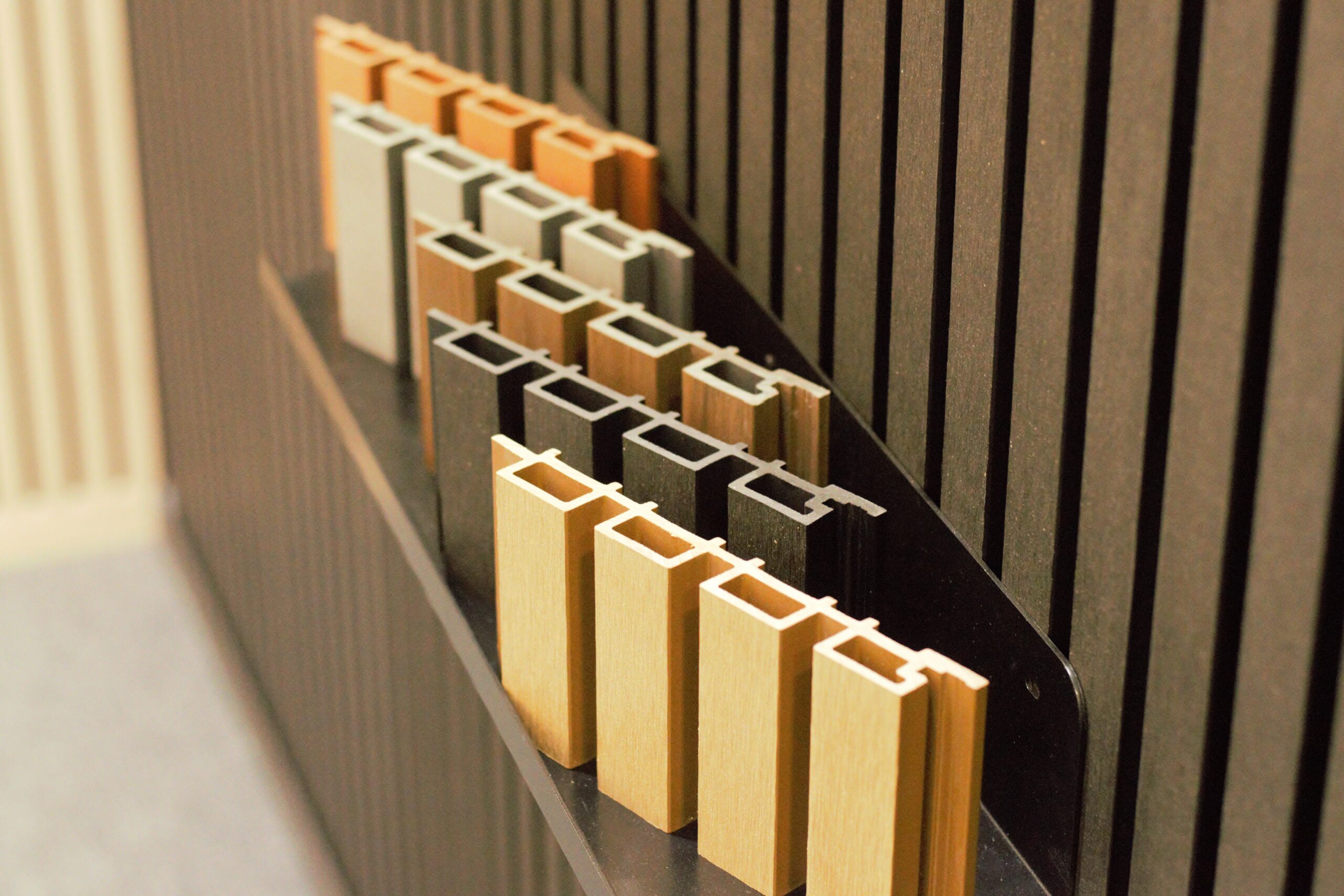
For many residential and commercial applications, composite wood panels sit at the top of the list. They are designed to deliver the visual warmth of timber with far less upkeep, making them especially attractive for contemporary façades, privacy screens, soffits, and outdoor feature walls.
Their appeal lies in balance. You get a wood-inspired texture and premium finish without the cycle of staining, sealing, and weather-related deterioration associated with natural timber. High-quality composite panels resist moisture and insect damage well, and they generally hold their color more consistently than painted or stained wood.
That said, quality matters. Lower-grade composite products can look overly artificial or expand and contract more noticeably. A premium option with well-developed finishes, coordinated trims, and a complete installation system creates a much more polished result. For design-led spaces, this category often offers the strongest combination of beauty, practicality, and long-term value.
Fiber cement panels
Fiber cement remains a popular choice for architects and contractors who want durability and a crisp, contemporary exterior. It is non-combustible, highly resistant to rot and pests, and available in a wide range of textures and finishes.
In terms of maintenance, fiber cement performs well, but it is not always the most effortless option over the long run. Factory-finished boards can reduce upkeep significantly, yet some installations will still need repainting or touch-ups as finishes age. The look is also more architectural than warm, which may suit certain projects beautifully but feel too stark for others.
Where fiber cement stands out is reliability. It works well in demanding conditions and suits both residential and commercial envelopes. If your priority is resilience and a clean-lined appearance, it remains one of the best low maintenance exterior panels available.
Metal panels
Aluminum and steel panels bring a distinctly modern, high-performance feel to exterior design. They are durable, sleek, and often chosen for commercial buildings, urban homes, and statement façades where minimalism is the goal.
Maintenance is relatively low, especially with quality coated finishes that resist corrosion and chalking. These panels are easy to clean and generally do not suffer from the biological issues that affect organic materials. They can, however, show dents, scratches, or oil-canning depending on profile and installation. In coastal settings, finish specification becomes especially important.
Metal panels suit projects where sharp visual definition matters more than natural texture. They can look exceptional, but they create a different mood from wood-look systems. The decision often comes down to whether you want warmth or precision.
High-pressure laminate panels
High-pressure laminate, often used in rainscreen systems, offers strong weather resistance and a refined contemporary appearance. These panels are manufactured to withstand UV, moisture, and impact, which makes them appealing for commercial façades, multifamily developments, and upscale residential projects.
They are easy to maintain in day-to-day use and available in a broad design range, including solid tones, stone looks, and wood effects. The downside is cost. They can be more expensive than simpler cladding systems, and the substructure requirements may add to the overall budget.
For clients who want a highly finished, architectural result with low ongoing upkeep, laminate panels can be a strong choice. They are especially effective where consistency and clean detailing matter.
Vinyl exterior panels
Vinyl is often chosen because it is affordable and relatively easy to care for. It does not need painting, and routine cleaning is straightforward. For budget-sensitive projects, that can make it attractive.
The trade-off is visual depth and perceived quality. Vinyl can work well in practical applications, but it rarely delivers the premium, design-rich finish that higher-end homes, hospitality spaces, or commercial projects require. In harsher climates, impact resistance and heat response can also be concerns depending on the product grade.
If cost is the main driver, vinyl deserves consideration. If the goal is a luxury exterior with lasting architectural appeal, it is usually not the first choice.
How to choose the best low maintenance exterior panels
The best material depends on what you want the building to say, and how hard that exterior will have to work. A coastal home, a shaded courtyard wall, and a street-facing restaurant façade do not face the same demands.
Start with climate. In high-moisture or coastal environments, resistance to water and corrosion is critical. In strong sun, UV stability matters just as much as structural durability. In busy commercial spaces, impact resistance and ease of cleaning may carry more weight than subtle texture.
Then consider the finish you want to live with every day. This is where many decisions become clear. If you love the richness of timber but not the maintenance routine, composite wood panels are often the most satisfying solution. They bridge the gap between natural beauty and practical performance in a way few other materials can.
Budget should be viewed beyond the purchase price. A panel that costs less upfront but needs repainting, replacement, or ongoing repair can become the more expensive option over time. For many clients, value comes from a finish that continues to look composed with minimal intervention.
Design matters as much as durability
Exterior panels are not only a protective skin. They create rhythm, proportion, and texture across the façade. The profile width, joint detail, trim pieces, and corner resolution all influence whether the final result feels custom and elevated or merely functional.
This is one reason complete systems tend to outperform pieced-together solutions. Matching trims, corner edges, and end details help protect vulnerable points while giving the installation a cleaner, more intentional appearance. That matters on a modern home just as much as it does in hospitality or retail settings.
A wood-look panel with sophisticated detailing can soften hard architecture and make outdoor spaces feel more livable. It introduces warmth without sacrificing performance. For clients who want exterior finishes to feel both luxurious and effortless, that combination is especially compelling.
Where composite panels often lead
Among today’s premium cladding options, composite wood panels consistently answer the brief most clearly. They offer the visual language people love in natural timber, yet remove much of the labor and uncertainty that timber brings outdoors.
That does not mean they are right for every single project. If non-combustibility is the leading requirement, fiber cement or metal may take priority. If the budget is extremely tight, vinyl may enter the conversation. But when the goal is a design-forward exterior with warmth, durability, and manageable upkeep, composite panels often strike the most attractive balance.
For homeowners upgrading curb appeal, designers shaping outdoor feature walls, or developers seeking a polished finish that lasts, this category has become increasingly hard to ignore. Brands such as Inspiration Wood reflect that shift by pairing premium wood-inspired aesthetics with practical exterior performance and easy-to-coordinate finishing components.
A better exterior should ask less of you
The best exterior materials do not demand constant attention to prove their worth. They simply keep performing, keep looking composed, and keep supporting the character of the space around them. When you choose exterior panels that combine strong weather resistance with a premium finish, the result is not only less maintenance. It is more freedom to enjoy the architecture you invested in.