

Blog
Bedroom Feature Wall Panels That Transform

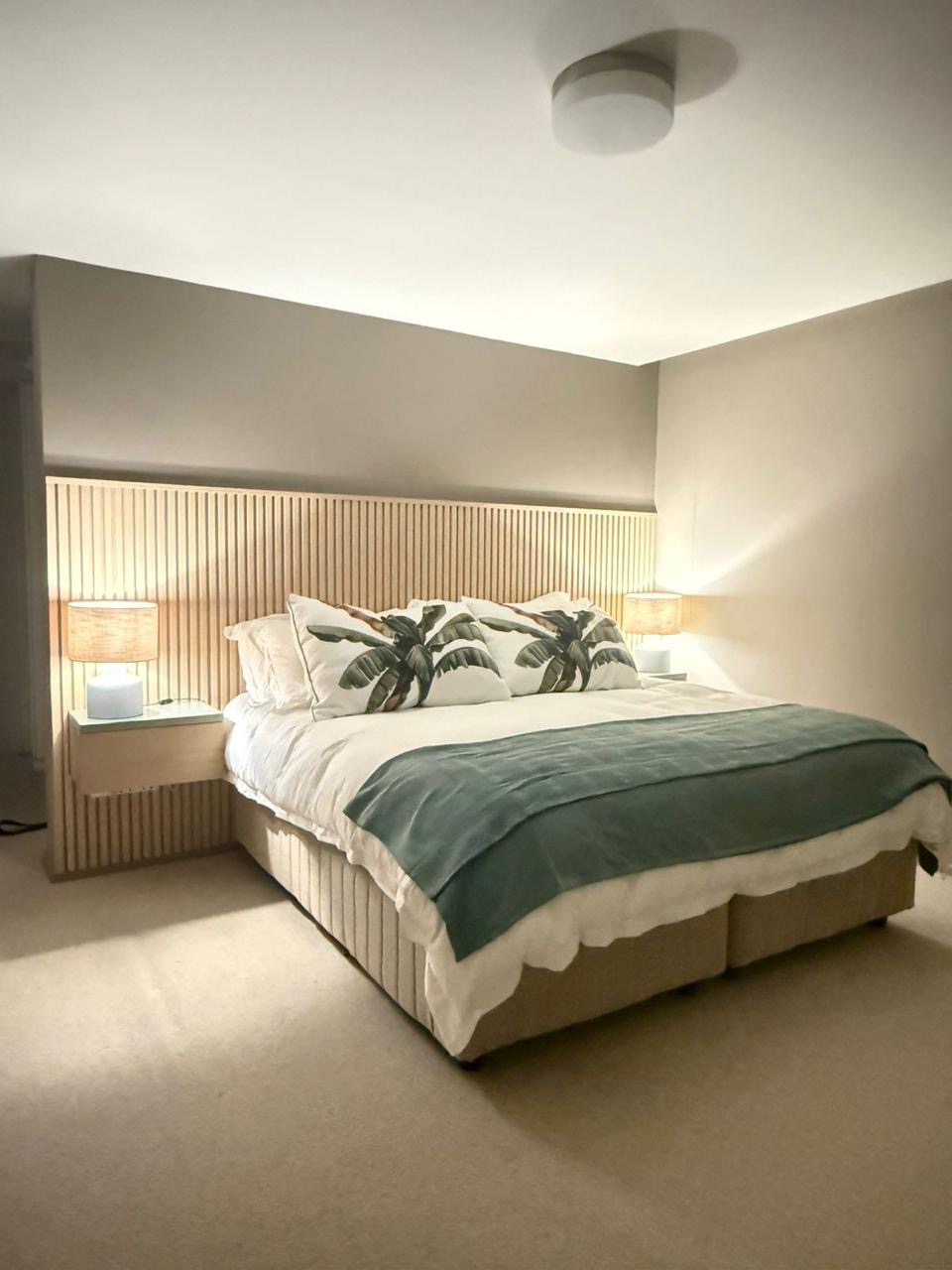
A bedroom rarely needs more furniture. More often, it needs focus. The right bedroom feature wall panels can shift the entire feel of the room – adding warmth, texture, and a stronger sense of intention without crowding the space. That is what makes wall paneling such a compelling design move in modern bedrooms: it works hard visually while also bringing practical value.
In bedrooms especially, surfaces matter. Large painted walls can feel flat, and decorative styling alone does not always create the calm, finished atmosphere people want. A feature wall introduces depth. It gives the bed a natural backdrop, helps anchor the room, and can soften the visual sharpness that often comes with minimalist interiors.
Why bedroom feature wall panels work so well
The bedroom is one of the few spaces in the home where comfort and restraint need to coexist. You want visual character, but not constant stimulation. You want luxury, but not something high maintenance. Wall panels answer that balance well because they create a strong design statement through material and rhythm rather than excess decoration.
Wood-look slatted panels are particularly effective because they bring in a natural texture that feels grounded and contemporary at the same time. Vertical lines draw the eye upward and can make standard ceiling heights feel more generous. The repeated pattern adds order, which is useful in bedrooms where a sense of calm matters as much as style.
There is also a practical layer that should not be overlooked. In homes where echo, hallway noise, or general sound bounce affects the quality of rest, acoustic panel options can improve how the room feels acoustically. This matters in open-plan homes, apartments, and busy family households, where softness is not just visual – it is sensory.
Choosing the right wall for bedroom feature wall panels
Most people instinctively place a feature wall behind the bed, and in many cases that is the strongest option. It frames the headboard area, creates a focal point the moment you enter the room, and gives the space a more resolved, architectural look. If your bed sits on the longest uninterrupted wall, the result is usually clean and balanced.
That said, it depends on the room layout. If the bed wall is broken up by awkward windows, built-ins, or uneven proportions, another wall may be the better canvas. A side wall can work beautifully in larger bedrooms, particularly when you want to create a boutique-hotel mood rather than a standard bedroom arrangement. In compact rooms, using the wall you see first on entry can create impact without making the sleeping zone feel visually heavy.
Scale matters here. Full-width paneling looks more immersive and premium, while a centered installation just wider than the bed feels more tailored. Neither is automatically better. A wide wall can handle drama. A smaller room often benefits from more restraint.
Material, texture, and tone
The finish you choose will shape the mood of the room more than many people expect. Warm oak tones tend to feel inviting and relaxed, making them a strong choice for primary bedrooms and guest suites. Darker wood-inspired finishes can feel more dramatic and sophisticated, but they absorb more light, so they work best where the room already has good natural brightness or layered lighting.
Lighter tones create an airier effect and can make smaller bedrooms feel less enclosed. They are especially useful in modern interiors where you want softness without heaviness. If the rest of the room already includes warm timber furniture, matching too closely can flatten the design. A slight contrast in tone often creates a richer result.
Texture is equally important. Slatted panels give a linear rhythm and a refined architectural presence. Smoother panel styles feel quieter and more understated. If your bedding, rugs, and curtains already carry a lot of softness and visual movement, structured slats can bring needed balance. If the room is very minimal, paneling can become the main source of texture and warmth.
More than a decorative surface
One of the strongest arguments for bedroom feature wall panels is that they do more than look good. Premium panel systems can help simplify a renovation by delivering a finished effect that feels custom without requiring the labor and maintenance associated with traditional timber detailing.
For homeowners, that means a cleaner path to a polished bedroom. For designers and contractors, it means a material that supports faster specification and a dependable visual outcome. In practical terms, modern panel systems are often easier to install, more consistent in finish, and easier to live with over time than hand-built timber alternatives.
Acoustic performance is another advantage when the right panel type is selected. Bedrooms are deeply personal spaces, and sound affects them more than most people realize. A room that feels visually serene but sounds hard can still feel unsettled. Acoustic slat wall panels help reduce harsh reflection, which can make the room feel quieter, softer, and more composed.
Designing the room around the feature wall
A strong feature wall should lead the room, not compete with everything in it. Once the paneling is installed, other choices should support that focal point. Upholstered headboards, neutral bedding, and simple bedside lighting tend to work especially well because they let the wall texture remain visible.
This does not mean the room has to be plain. It means the materials should speak the same language. If your wall paneling has warm natural character, layered linens, brushed metal accents, and matte finishes usually feel more in step than glossy or overly ornate pieces. If the paneling is dark and dramatic, introducing lighter bedding and softer textiles helps keep the space balanced.
Lighting deserves careful thought. Bedroom feature wall panels respond beautifully to directional light, especially when the panel profile creates shadow lines. Wall sconces, pendant bedside lights, and concealed LED lighting can all emphasize texture in a subtle, premium way. Flat overhead light alone rarely does them justice.
Common mistakes to avoid
The first is choosing paneling that is too busy for the room. Bedrooms benefit from texture with control. If the grain, tone, and surrounding decor all compete, the space can feel restless rather than restful.
The second is ignoring proportion. A dramatic panel finish on a narrow strip of wall can look accidental. On the other hand, covering every surface in a smaller bedroom may feel oppressive. The most successful installations usually have a clear reason for their scale.
The third is forgetting the practical details. Think about socket placement, bedside table height, headboard depth, and how the panel system will terminate at the edges. The refined look people admire in finished spaces often comes down to those decisions.
A smart choice for homes and hospitality
While the most obvious setting is the home, bedroom feature wall panels are equally effective in hospitality spaces, serviced apartments, and boutique guest rooms. They create instant visual identity, photograph well, and communicate a level of finish that guests notice immediately.
For project teams, that matters. A bedroom needs to feel memorable without becoming difficult to maintain. Durable, design-led panel systems meet that requirement well, especially when they combine premium appearance with practical upkeep. That balance is a large part of why they continue to gain ground in both residential and commercial interiors.
For homeowners, the appeal is simpler but no less powerful. A bedroom should feel like a retreat, not an afterthought. When the wall behind the bed carries texture, depth, and architectural presence, the whole room feels more complete. The transformation is visible, but it is also emotional. The room starts to feel quieter, more resolved, and more distinctly yours.
That is the real value of getting the surface right. Not more decoration, just better atmosphere. And when a single material choice can deliver style, comfort, and a stronger sense of finish, it earns its place in the room.