

Blog
Acoustic Wood Wall Panels That Elevate Rooms

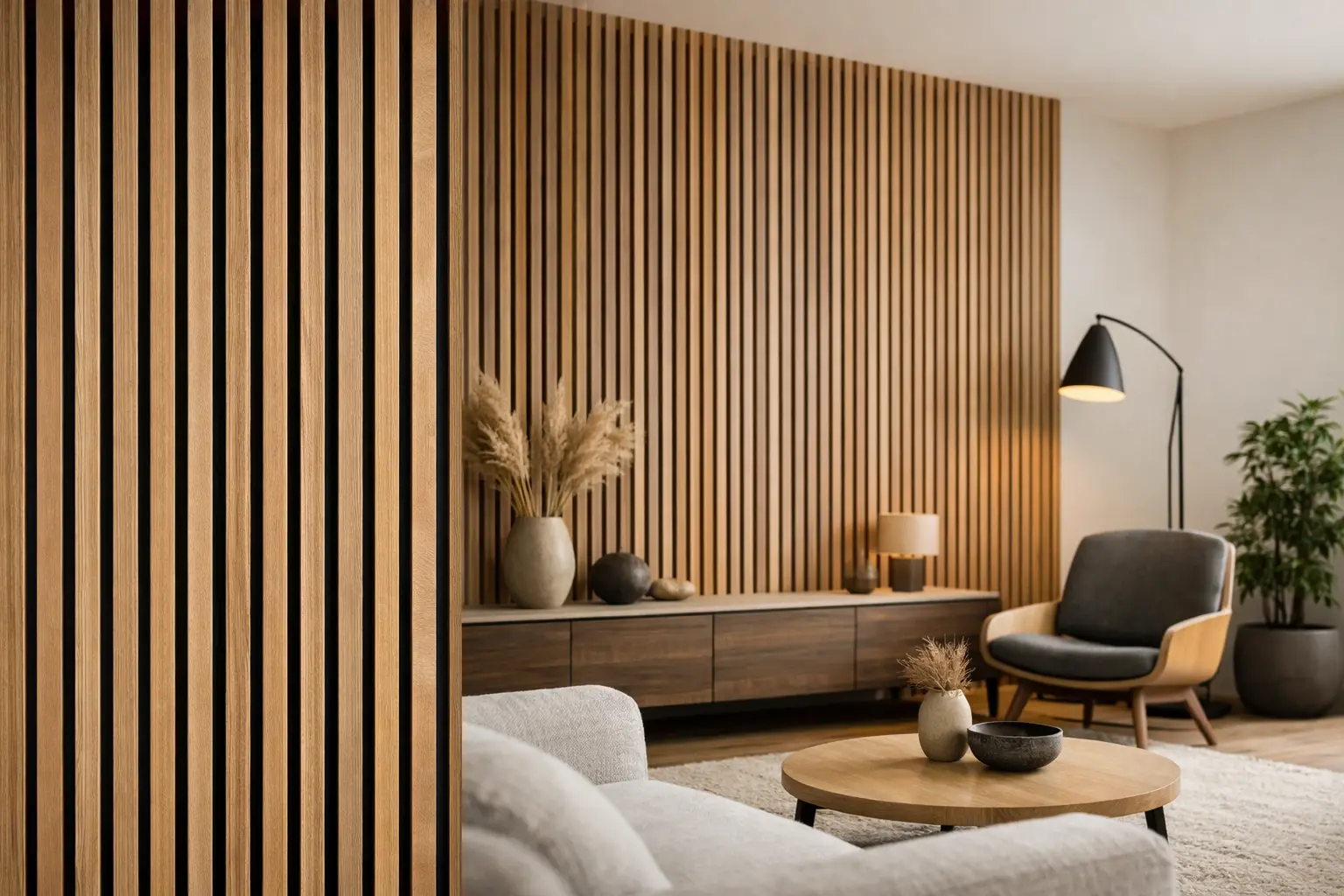
A beautiful room can still feel wrong when sound bounces off every hard surface. You notice it in open-plan living areas that echo, in meeting rooms where voices blur together, and in restaurants where the atmosphere tips from lively to exhausting. Acoustic wood wall panels solve that problem in a way few finishes can – by improving how a space sounds while adding warmth, texture, and architectural presence.
That combination is exactly why they have become such a strong choice for modern interiors. Rather than treating acoustics as a technical afterthought, they make sound control part of the design language. The result is a space that looks considered and feels more comfortable to live in, work in, and welcome people into.
Why acoustic wood wall panels matter
Most interior finishes are chosen for appearance first. Paint gives color, tile adds pattern, and wallpaper introduces character. But sound is one of the biggest factors in how people experience a room, even when they cannot immediately explain what feels off.
In a residential setting, poor acoustics can make a home feel restless. Television noise carries, conversations compete, and large spaces with clean lines can start to feel cold. In commercial environments, the effect is even more pronounced. Offices lose speech clarity, hospitality venues become harder to enjoy, and reception areas can sound sharper and less refined than they look.
Acoustic wood wall panels address this by helping to absorb and soften sound reflections. At the same time, they introduce a premium slatted timber look that instantly gives flat walls more depth. For homeowners and design professionals alike, that dual role is the appeal. You are not adding a purely technical product or a purely decorative one. You are choosing a finish that performs on both levels.
What makes them different from standard wall cladding
The key difference is in the construction. Acoustic panels are typically built with decorative wood-look slats mounted over an acoustic backing, often a felt layer designed to help reduce echo and improve sound absorption. That backing is what separates them from ordinary decorative cladding.
Visually, both options may add texture. Functionally, they are not the same. If the goal is simply to create a feature wall, a basic decorative panel may be enough. If the room also needs better acoustic comfort, then acoustic wood wall panels become the more intelligent specification.
This matters in spaces where people gather, talk, work, or relax. A bedroom feature wall has different demands from a boardroom. A hospitality setting needs a different balance again. The right choice depends on whether the priority is visual impact alone or a more complete improvement in the way the room behaves.
Where acoustic wood wall panels work best
Some finishes are limited to one style of project. These panels are more versatile than that. Their clean lines and natural texture make them suitable across residential and commercial interiors, from private homes to public-facing spaces.
In living rooms, they work especially well behind a television unit or on a main feature wall, where they can soften sound and create a more composed focal point. In bedrooms, they bring a calm, cocooning quality behind the bed while reducing some of the sharpness that comes with hard finishes.
In offices, they are often used in meeting rooms, reception areas, executive spaces, and open-plan zones where speech clarity matters. The visual message is just as important as the acoustic one. A well-finished slatted wall signals professionalism, design confidence, and attention to detail.
Hospitality projects are another natural fit. Restaurants, hotel lounges, boutique stays, and waiting areas all benefit from finishes that feel premium while helping manage noise. Guests may not identify the product itself, but they notice the atmosphere it helps create.
The design appeal goes beyond sound
One reason these panels continue to gain attention is that they suit so many contemporary interior directions. They sit comfortably within minimalist schemes, but they also pair well with layered, luxurious spaces that use stone, upholstery, metal, and ambient lighting.
The rhythm of vertical slats draws the eye upward and can make walls feel taller. The wood-inspired surface adds softness to glass, concrete, and painted finishes. In smaller rooms, a panel can define a focal area without overwhelming the space. In larger interiors, repeated paneling can bring consistency and a stronger architectural identity.
Color choice also changes the effect. Lighter timber tones tend to feel airy and modern, while deeper shades can create a richer, more intimate mood. The best option depends on the room, the amount of natural light, and the overall palette. There is no universal answer, which is why these panels work so well for both tailored home projects and specification-led commercial work.
Acoustic performance – what to expect
It helps to be realistic here. Acoustic wood wall panels do not make a room soundproof, and they are not a substitute for a full specialist acoustic treatment in highly technical settings. What they do exceptionally well is reduce echo, soften reverberation, and improve the overall comfort of the space.
That difference is often enough to transform daily use. Conversations become easier to follow. Rooms feel less harsh. Television and music sound cleaner. In offices, this can support concentration and reduce the fatigue that comes with noisy, reflective environments.
Performance also depends on the size of the room, the amount of panel coverage, and what other materials are present. A space filled with glass, tile, and concrete will behave differently from one with rugs, curtains, and upholstered furniture. In some projects, one feature wall is enough to noticeably improve the atmosphere. In others, broader coverage across walls or even ceilings may be the smarter move.
Why they suit modern renovations
Renovation projects often involve a push and pull between beauty and practicality. Traditional timber can look exceptional, but it may also bring higher maintenance, longer installation times, and more variation than some projects can accommodate. Modern acoustic panel systems offer a more streamlined route to a similarly elevated result.
For many homeowners and professionals, that balance is the real advantage. The finish feels refined and natural, yet the installation process is generally cleaner and faster than building a slatted timber wall from scratch. That can make a significant difference on projects where timelines, labor efficiency, and visual consistency matter.
Low maintenance is another part of the appeal. In spaces that need to look polished every day, easy-care surfaces are not a minor benefit. They are part of what makes premium design feel achievable rather than demanding.
Choosing the right acoustic wood wall panels
The best panels are not just the ones with the most striking color. They are the ones that suit the room, the purpose, and the level of finish expected from the project.
Start with the setting. A private home may prioritize warmth and lifestyle comfort, while a commercial interior may need a more disciplined, specification-ready look. Then consider scale. Narrow spaces can benefit from lighter tones and careful placement, while larger walls can carry darker finishes with more confidence.
It is also worth thinking about continuity. Acoustic slat panels often look strongest when they relate to other elements in the space, such as flooring, joinery, furniture, or trim details. The goal is not exact matching. It is visual harmony.
Quality matters too. Premium panels tend to deliver better consistency, a more convincing finish, and a stronger overall impression once installed. For design-led spaces, that level of refinement is visible.
A finish that changes how a room feels
The most successful interior materials do more than fill a surface. They shape experience. Acoustic wood wall panels can make a room feel calmer, more polished, and more intentional from the moment you walk in.
That is why they appeal to such a wide range of decision-makers, from homeowners refining a living space to designers creating memorable hospitality interiors and contractors looking for installable premium solutions. They answer a practical problem without sacrificing visual ambition.
At Inspiration Wood, that balance between luxury and function sits at the heart of modern surface design. When a wall finish can improve sound, add depth, and elevate the entire mood of a room, it stops being a simple decorative choice and becomes part of extraordinary living.
If your space looks right but still does not feel right, the answer may not be more furniture or softer lighting. It may be a wall finish that finally brings sound, texture, and atmosphere into the same conversation.