

Blog
Commercial Wall Finish Guide for Modern Spaces

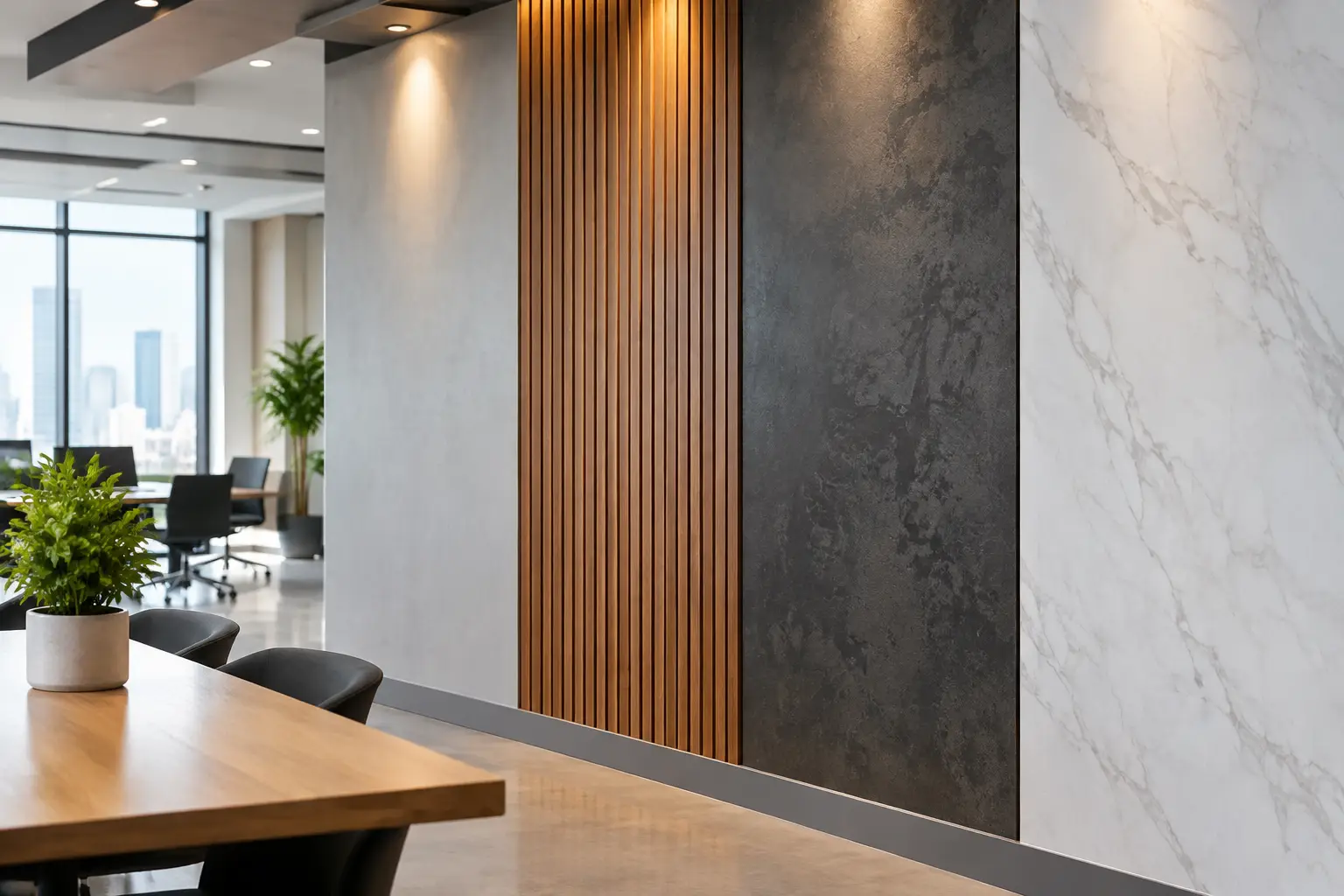
A commercial interior is judged in seconds. Guests notice whether a restaurant feels considered, clients sense whether an office inspires confidence, and shoppers respond to spaces with texture, warmth, and a clear point of view. This commercial wall finish guide is designed for the decisions behind that first impression: choosing surfaces that look exceptional while standing up to traffic, cleaning, acoustics, and the realities of installation.
The right finish does more than cover a wall. It can soften noise in a meeting room, define zones in an open-plan workplace, bring natural character to a reception area, or make a compact retail space feel more intentional. The best choice depends on how the space will be used, not only on the look you want on opening day.
Commercial Wall Finish Guide: Start With Performance
Before selecting a color, grain, or profile, consider the wall’s job. A feature wall behind a reception desk faces different demands from a corridor in a busy hotel or an exterior-facing surface at a café. Commercial finishes should be assessed for durability, maintenance needs, acoustic performance, moisture exposure, and the practical requirements of the project.
High-contact areas need surfaces that can tolerate regular cleaning and occasional knocks without quickly looking tired. In hospitality and retail, this often means avoiding delicate finishes that show marks easily. A textured panel system or durable composite surface can offer a more forgiving alternative to painted drywall, especially where a refined finish must hold its appearance over time.
Acoustics are equally important. Hard floors, glass partitions, exposed ceilings, and large open rooms create lively spaces visually, but they can also make conversations difficult. Acoustic slat wall panels introduce warmth while helping absorb sound reflections. In offices, boardrooms, restaurants, and reception areas, this can improve speech clarity and make the space feel calmer without sacrificing a design-led aesthetic.
Always confirm the technical requirements with the project team. Fire ratings, local building codes, substrate conditions, and installation specifications vary by application. A beautiful material is only the right commercial finish when it meets the performance expectations of the site.
Match the Finish to the Space
Commercial projects benefit from a clear hierarchy. Not every wall needs the same treatment, and using a premium finish selectively often creates a stronger result than applying it everywhere.
Offices and Shared Workspaces
Modern workplaces need to support concentration, collaboration, and a polished client experience. Acoustic slat panels work particularly well behind reception desks, in boardrooms, private offices, breakout areas, and video-call backdrops. Their linear profile adds order to a space, while the acoustic backing helps reduce the sharp reverberation common in open-plan environments.
For an office, choose tones that complement the flooring and furniture rather than competing with them. Warm oak-inspired finishes can soften concrete, steel, and glass. Darker wood looks create a more tailored, executive feel, especially in meeting rooms or client-facing spaces. Lighter tones can help smaller offices retain a sense of openness.
Hospitality Interiors
Restaurants, hotels, cafés, and wellness spaces depend on atmosphere. Here, wall finishes should create a memorable mood while remaining practical for busy service environments. Wood-inspired panels bring a sense of comfort and crafted detail that painted surfaces rarely achieve on their own.
Use them to frame a host station, create a backdrop for banquette seating, or distinguish a bar area from the main dining room. In hotel settings, they can elevate lobby walls, corridors, and lounge areas. If the venue has high noise levels, prioritize acoustic solutions in the areas where guests spend the most time talking.
Hospitality projects should also consider cleaning routines. Specify finishes that can be maintained consistently without complex treatments. Low-maintenance materials protect the visual standard of the venue and reduce the burden on operations teams.
Retail and Showrooms
Retail walls need to support merchandise, not overpower it. A slatted timber-look feature can provide depth behind a cash desk or within a display zone, creating a premium visual anchor for the customer journey. It is especially effective when repeated in small moments throughout the store, such as fitting-room entrances, brand walls, or product storytelling areas.
The trade-off is visual density. Strong grain, dark tones, and deep texture can make a compact shop feel smaller if used across every surface. Pair a statement wall finish with quieter painted walls, clean shelving, and considered lighting. The result feels curated rather than crowded.
Exterior and Semi-Exposed Areas
Not every commercial wall finish belongs indoors. Covered patios, restaurant terraces, building entrances, and outdoor entertainment areas need materials designed for changing weather and sun exposure. Composite wood panels offer the warmth of timber-inspired design with the benefit of lower maintenance and greater weather resistance than traditional wood in many applications.
Exterior selections should be made with local exposure in mind. Direct sun, driving rain, salt air, and temperature shifts can affect performance and color over time. Plan for appropriate ventilation, fixing methods, and trims to achieve a finished look that performs as intended.
Design With Texture, Scale, and Light
A wall finish can change the perceived proportions of a room. Vertical slats draw the eye upward, making lower ceilings feel more generous. Horizontal applications can visually widen a narrow passage or reception area. This is a subtle but valuable design tool when working with existing commercial shells.
Lighting deserves the same level of attention. Grazing light across a textured wall reveals depth and creates a more luxurious effect, while flat overhead light can make even a premium surface appear less dimensional. In hospitality and retail, test the finish under the actual lighting temperature planned for the space. A warm wood tone may look very different under cool white lighting than it does in daylight.
Trims, corner edges, and end slats are not minor details. They are what make a panel installation feel architectural rather than added on. Clean transitions around external corners, door openings, and panel ends protect the edges while giving the project a deliberate, complete appearance.
Plan Installation Before Ordering
Fast installation is one of the most appealing advantages of panel-based wall systems, but commercial success still depends on careful planning. Confirm wall measurements, note electrical outlets and switches, and establish where panels will begin and end before materials arrive on site. This reduces waste and avoids awkward narrow cuts at the most visible points of the wall.
The substrate must also be sound, level, and suitable for the selected fixing method. Panels cannot correct major wall defects on their own. Where services need to be concealed, battens or a service cavity may be useful, but this should be accounted for early because it changes the finished wall depth.
Coordinate finishes with adjacent elements. Consider where the wall meets flooring, ceilings, cabinetry, glass partitions, and signage. A commercial interior feels premium when these intersections are resolved with confidence. It feels improvised when every surface stops differently.
For larger projects, order enough material from the same product range and plan the layout before installation begins. Natural wood-inspired patterns and tonal variation are part of the appeal, but arranging panels thoughtfully helps create a balanced overall composition.
Choose Value Beyond the Initial Price
The lowest upfront cost is rarely the lowest long-term cost. A wall that requires frequent repainting, repairs, or specialist care can become expensive in a high-traffic business. Commercial wall finishes should be evaluated over their useful life: how they wear, how easily they clean, how difficult they are to replace, and whether they continue to represent the brand well after opening day.
This is where premium panel solutions earn their place. They provide immediate visual impact, but their real value is often consistency. A reception wall, restaurant feature, or showroom backdrop should continue to look considered through daily use, changing seasons, and evolving furniture displays.
Inspiration Wood’s range of acoustic slat panels, composite wood panels, and finishing accessories gives designers and contractors a practical way to bring this layered approach to life. The goal is not simply to decorate a wall, but to create a surface that supports the experience of the entire space.
The most successful commercial interiors make people want to stay a little longer. Choose a wall finish that brings warmth to the room, purpose to the layout, and lasting confidence to every first impression.