

Blog
Composite Cladding for Beautiful Outdoor Spaces

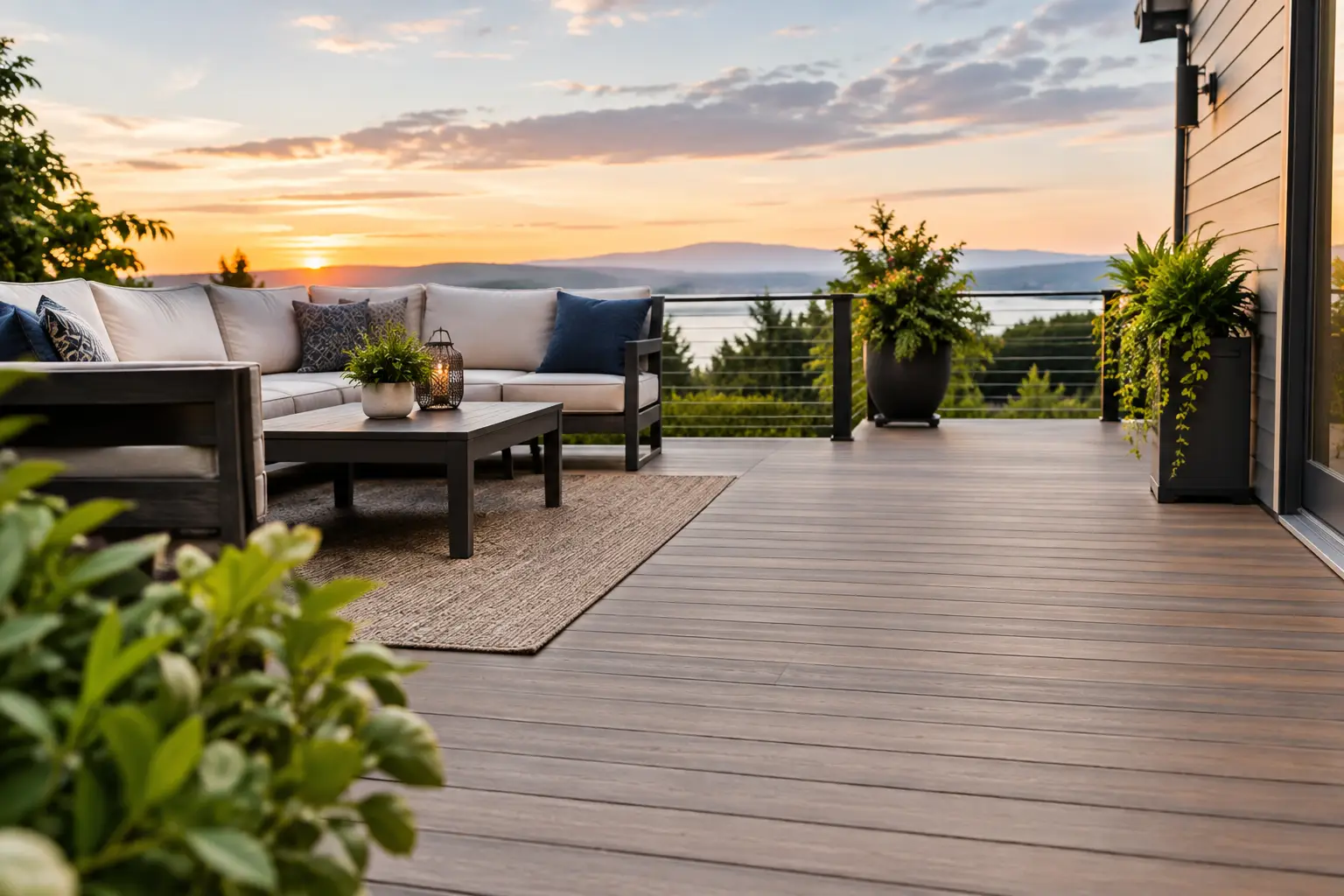
A sun-facing exterior wall can make or break the impression of a home, restaurant, office, or hospitality venue. Composite cladding brings the warmth and texture of timber to these high-visibility surfaces without asking you to accept the regular sealing, staining, and weather-related upkeep associated with natural wood.
For design-led projects, that changes the conversation. Exterior finishes no longer need to be a compromise between the look you want and the time you have to maintain it. The right composite solution can create a refined architectural statement around an entrance, patio, pool area, balcony, garden room, or commercial facade – while remaining practical enough for everyday living.
What Is Composite Cladding?
Composite cladding is a decorative exterior surface material typically made from a blend of recycled wood fibers and polymer materials. It is designed to recreate the visual appeal of timber while offering greater resistance to moisture, insects, fading, and surface wear than many conventional wood installations.
Panels or boards are fitted to a supporting structure rather than fixed directly onto a wall without preparation. This cavity behind the cladding is not merely a construction detail. It supports drainage and airflow, helping the wall system manage moisture more effectively and giving the installation its clean, dimensional finish.
The result is a surface that feels considered from every angle. Depending on the profile, color, and orientation selected, composite boards can appear contemporary and linear, richly textured, quietly natural, or boldly architectural.
Why Composite Cladding Appeals to Modern Projects
Natural timber has enduring character, but it also asks for commitment. Sun, rain, humidity, and temperature movement can lead to fading, splitting, warping, or repeated refinishing. Composite cladding is chosen by homeowners and professionals who want a wood-inspired exterior with a more relaxed maintenance routine.
That does not mean it is maintenance-free. Outdoor surfaces still collect dust, pollen, salt residue, and marks from daily use. A periodic clean with water and a suitable soft brush is generally enough to keep the finish looking its best. The key advantage is that there is usually no cycle of sanding, staining, and sealing to plan for every year or two.
The material also gives designers more control over visual consistency. Natural timber varies beautifully, but variation can be difficult to manage across a large facade or multi-unit project. Composite boards offer a more predictable finish, allowing a patio screen, exterior wall, and entrance feature to feel intentionally connected.
For commercial settings, this consistency matters. A restaurant frontage or office terrace should continue to look polished after busy weeks, changing seasons, and regular cleaning. A durable wood-look surface helps protect the design intent long after opening day.
Where Composite Cladding Makes the Biggest Impact
Composite cladding is at its strongest when it is used to create contrast and depth. A large exterior entirely covered in one material can feel flat. Used selectively, it draws attention to the areas that deserve it.
Entryways and Facade Features
A cladded entry wall immediately gives a plain elevation more presence. Pair warm-toned boards with light plaster, stone, black-framed glazing, or concrete for a layered finish that feels current without becoming cold. Vertical installation can make a low facade appear taller, while horizontal boards emphasize width and create a calmer, more grounded effect.
Patios, Pool Areas, and Outdoor Rooms
Outdoor entertaining spaces benefit from materials that look inviting but can cope with real use. Composite cladding can define a braai area, create a privacy screen, finish the wall behind outdoor seating, or bring continuity between composite decking and vertical surfaces.
Near a pool, however, detailing matters as much as material choice. The frame, fixings, drainage, and ventilation should all be suitable for a wet environment. In coastal locations, select compatible corrosion-resistant fasteners and follow the installation requirements carefully.
Hospitality and Commercial Exteriors
For cafes, hotels, retail spaces, and workplaces, the exterior is part of the customer experience. Composite cladding can soften hard architectural lines and add a premium, welcoming quality to covered walkways, reception approaches, terrace walls, and outdoor dining zones.
It is particularly useful when a project needs a high-end finish without the disruption of frequent maintenance closures. That said, busy public-facing areas may need more frequent cleaning than a private home, especially near roads or food-service spaces.
Choosing the Right Color and Profile
The best composite cladding is not simply the darkest board or the most dramatic grain. It is the option that works with the architecture, natural light, and surrounding materials.
Warm oak and walnut-inspired tones add depth to modern neutral exteriors. They sit comfortably beside cream render, charcoal aluminum, natural stone, and planting. Cooler gray and weathered finishes create a restrained contemporary look and can work beautifully with concrete, glass, and black accents. On a sun-drenched wall, remember that dark colors absorb more heat and can show dust or water marks more readily than mid-tone finishes.
Profile choice has an equally strong influence. Wide boards can create a calm, expansive look, while narrower lines introduce rhythm and detail. A concealed fixing system is often preferred where a clean, uninterrupted surface is central to the design. Trims, corner edges, and end pieces should never be an afterthought. These finishing details turn a good installation into one that looks genuinely resolved.
Before ordering for a large area, view samples outside at different times of day. Morning shade, direct afternoon sun, and warm exterior lighting can all change how a color reads. This small step can prevent an expensive mismatch between expectation and finished result.
Installation Is Where Performance Begins
A premium board cannot compensate for poor preparation. Composite cladding should be installed on a sound, level subframe with adequate ventilation and drainage behind the boards. This allows the system to manage moisture and gives the cladding room for normal thermal expansion and contraction.
Expansion gaps are essential. Composite materials respond to temperature changes, so boards should not be forced tightly together or installed without the clearances specified for the product. Correct fasteners, accurate spacing, and properly aligned starter and finishing trims all contribute to a surface that remains neat over time.
For confident DIY renovators, smaller feature walls may be achievable with careful measuring and the correct installation guidance. Larger facades, elevated areas, commercial projects, and walls with doors, windows, or complex corners are usually best handled by an experienced installer. The labor investment protects both the appearance and the long-term performance of the finish.
Also check local building requirements before work begins. Fire performance, boundary-wall regulations, waterproofing details, and structural fixing requirements can vary by location and application. A decorative facade should always work with the building, not against it.
Composite Cladding Versus Traditional Timber
There is no universal winner because the right choice depends on the character of the project. Natural timber offers unmatched organic variation and can be the right answer for heritage homes, highly bespoke architecture, or owners who enjoy the ritual of maintaining real wood. It also develops a patina that some people consider part of its appeal.
Composite cladding is the more practical choice when you want a consistent wood-inspired appearance, strong weather resistance, and lower ongoing maintenance. It is particularly compelling for large exterior areas, rental properties, hospitality sites, and busy homes where the finish needs to look refined without becoming another weekend task.
The upfront cost can be higher than some basic timber options, but that comparison should include the likely cost of future treatments, repairs, replacements, and labor. Value is not just the price per board. It is how well the finished surface supports the way the space will be used over the years ahead.
A Finish That Lets the Architecture Speak
Composite cladding works best when it is treated as an architectural material rather than decoration applied at the end. Consider it early, coordinate its tone with windows and paving, and allow its linear form to guide the eye toward the parts of the property worth celebrating.
Whether you are refining a private patio or shaping a memorable commercial arrival, choose the boards, trims, and installation approach with the same care you would give to lighting or furniture. The right exterior surface does more than cover a wall – it creates a setting people want to spend time in.