

Blog
Why Composites Resist Moisture on Outdoor Walls

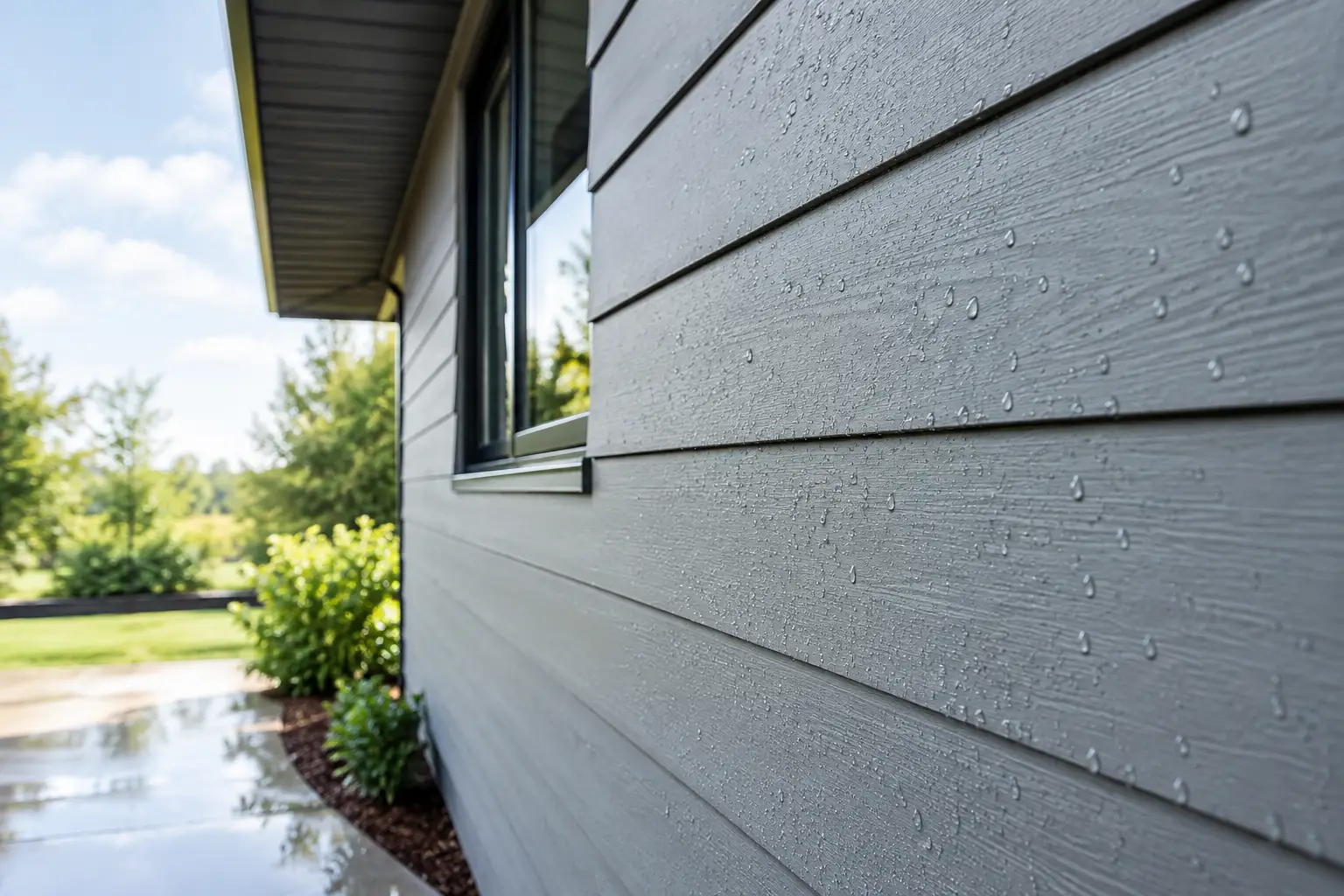
A beautiful exterior wall has to do more than make an entrance. It must stand up to rain, humidity, splashback, changing temperatures, and the daily wear of outdoor living. That is where composites resist moisture more effectively than traditional timber, helping homeowners and design professionals create refined outdoor finishes with far less maintenance.
For cladding, screens, feature walls, and architectural details, composite boards offer the warmth of a wood-inspired finish with practical protection built into the material. The result is an exterior surface that can feel considered and luxurious without asking for constant sealing, sanding, or repainting.
Why composites resist moisture more effectively
Outdoor composite panels are commonly made from a blend of wood fibers and polymer resins. The wood component gives the board its familiar texture and natural visual character, while the polymer component reduces the pathways through which water can enter. Unlike untreated timber, which is porous and can absorb moisture readily, composite material is engineered to limit water uptake.
That difference matters when weather exposure is part of the brief. When natural wood repeatedly absorbs and releases moisture, it can swell, contract, cup, split, or lose its finish. A quality composite board is designed to remain more dimensionally stable through those cycles. It does not eliminate movement entirely, but it substantially reduces the kind of visible change that can compromise a clean, premium installation.
Many exterior composite products also use a protective outer layer, often called a cap. This surface helps shield the core from rain, stains, and everyday dirt while making cleaning easier. For a patio feature wall beside a pool, a hospitality terrace, or a home exposed to driving rain, that added barrier can make a meaningful difference to long-term appearance.
Moisture resistance is not the same as waterproofing
The strongest specifications are built on realistic expectations. Composite cladding is moisture-resistant, but no exterior installation should be treated as invulnerable to water. Standing water, poor drainage, blocked ventilation, and incorrect fixing methods can affect any material system over time.
The board itself may resist moisture well, but the wall behind it still needs to manage water correctly. A sound substructure, appropriate battens or framing, ventilation behind the cladding, and a drainage path all contribute to performance. This is especially relevant in wet climates, coastal properties, and areas around pools, outdoor kitchens, or planters.
Edges, cut ends, joints, and fastener points also deserve attention. Some capped composite systems protect the face and sides more fully than others. Where a board is cut on site, follow the product guidance for finishing details and spacing. A polished exterior is not only about selecting a premium panel. It is about allowing the complete system to perform as intended.
What moisture can do to traditional timber
There is a reason exterior timber asks for careful upkeep. Wood is a natural, hygroscopic material, meaning it exchanges moisture with the air around it. In humid conditions, it takes on moisture. In dry conditions, it releases it. This movement is part of timber’s character, but it can be demanding in exposed applications.
Over time, repeated wet-and-dry cycles can lead to warping, cracking, raised grain, peeling coatings, and discoloration. The maintenance schedule may include cleaning, sealing, staining, and periodic repairs. For a small detail, that care can be worthwhile. For a large outdoor feature wall or commercial frontage, it can become a significant operational consideration.
Composite panels provide a different proposition: a wood-inspired look with a more predictable response to moisture. This makes them particularly attractive where consistent lines, even spacing, and a clean contemporary finish are central to the design.
The design advantage of a stable exterior finish
Moisture resistance is often discussed as a technical benefit, yet its visual value is just as compelling. Exterior walls frame the way a property is experienced. They are seen from inside through large openings, at the front entrance, from entertainment areas, and in photographs of the finished space. A material that holds its shape and finish more consistently helps preserve the original design intent.
Composite wall panels can bring depth and rhythm to a plain facade, soften modern architecture with warm timber tones, or create a deliberate connection between interior and exterior zones. Used around covered patios, balconies, courtyards, entrances, and garden rooms, they introduce texture without the maintenance burden associated with exposed timber.
For commercial settings, the benefit extends to brand presentation. Restaurants, hotels, retail environments, and office campuses need finishes that look composed from opening day onward. Choosing a moisture-resistant material can reduce the frequency of disruptive touch-ups while maintaining a considered, guest-ready appearance.
Where composite panels perform best
Composite cladding is especially well suited to vertical applications with sensible detailing. A covered outdoor wall can benefit from protection against ambient humidity and wind-driven rain, while an exposed facade can gain a durable, low-maintenance decorative layer when installed over a correctly prepared backing system.
Poolside applications are another natural fit, provided the material is selected for the environment and installed with airflow and drainage in mind. Chlorinated splashback, damp towels, and regular cleaning place demands on finishes. Composite surfaces are easier to maintain than many timber alternatives, but they should still be rinsed and cleaned according to the manufacturer’s care recommendations.
Coastal environments require extra care. Salt in the air, high humidity, intense sun, and wind can challenge every exterior surface. Composite panels can be an excellent choice here, but fixing materials, trim details, substrate quality, and cleaning routines should be chosen specifically for the site. The board is one part of a broader exterior system.
Installation details that protect the investment
A moisture-resistant board cannot compensate for an installation that traps water. Allowing for expansion gaps is essential because composites can move slightly as temperatures change. The exact spacing depends on the product, board length, climate, and installation orientation, so manufacturer guidance should always lead the process.
Ventilation behind the cladding is equally important. A cavity allows moisture that reaches the rear of the boards to dry out rather than remain against the wall. It also helps manage heat and contributes to the long-term integrity of the supporting structure.
Use compatible trims and corner edges to create a crisp finish while protecting transitions. These details are not merely decorative. They help guide water away from vulnerable points, conceal expansion allowances, and give a project the tailored appearance expected of a premium surface solution.
For contractors and installers, accurate alignment at the start saves time later. Establish level battens, check the wall plane, and plan board direction, joints, and trim placement before fixing the first panel. The best composite installation feels effortless because every line has been resolved with care.
Low maintenance, not no maintenance
One of the most appealing reasons to choose composite is the reduced maintenance commitment. In most cases, periodic washing with mild soap, water, and a soft brush is enough to remove dust, pollen, or ordinary surface grime. Promptly attending to food spills or marks in entertaining areas also helps keep the finish looking its best.
Avoid aggressive pressure washing at close range, harsh solvents, or abrasive tools unless the product instructions specifically permit them. These can damage the surface or alter its appearance. Maintenance is lighter than with timber, but thoughtful care remains part of protecting any premium exterior finish.
Color should also be considered honestly. High levels of ultraviolet exposure can affect exterior materials over time, including composite products. Quality panels are formulated to offer improved color retention, yet some gradual weathering can occur depending on the color selected, site orientation, and intensity of sun. Choosing the right shade for the location is as practical as it is aesthetic.
Choosing composite for a more enduring exterior
The right outdoor wall finish should support the way a space is lived in, not add another demanding task to the maintenance list. Composite panels offer a considered balance: warm wood-inspired texture, strong moisture resistance, easy upkeep, and a composed architectural presence.
For a quiet courtyard, a statement entry, or a hospitality terrace designed to be remembered, the most successful material choice is one that keeps delivering after the installation team has left. When moisture, drainage, ventilation, and detailing are treated as part of the design, composite cladding can help an exterior remain inviting through every season.