

Blog
Outdoor Entertainment Area Wall Finishes That Last

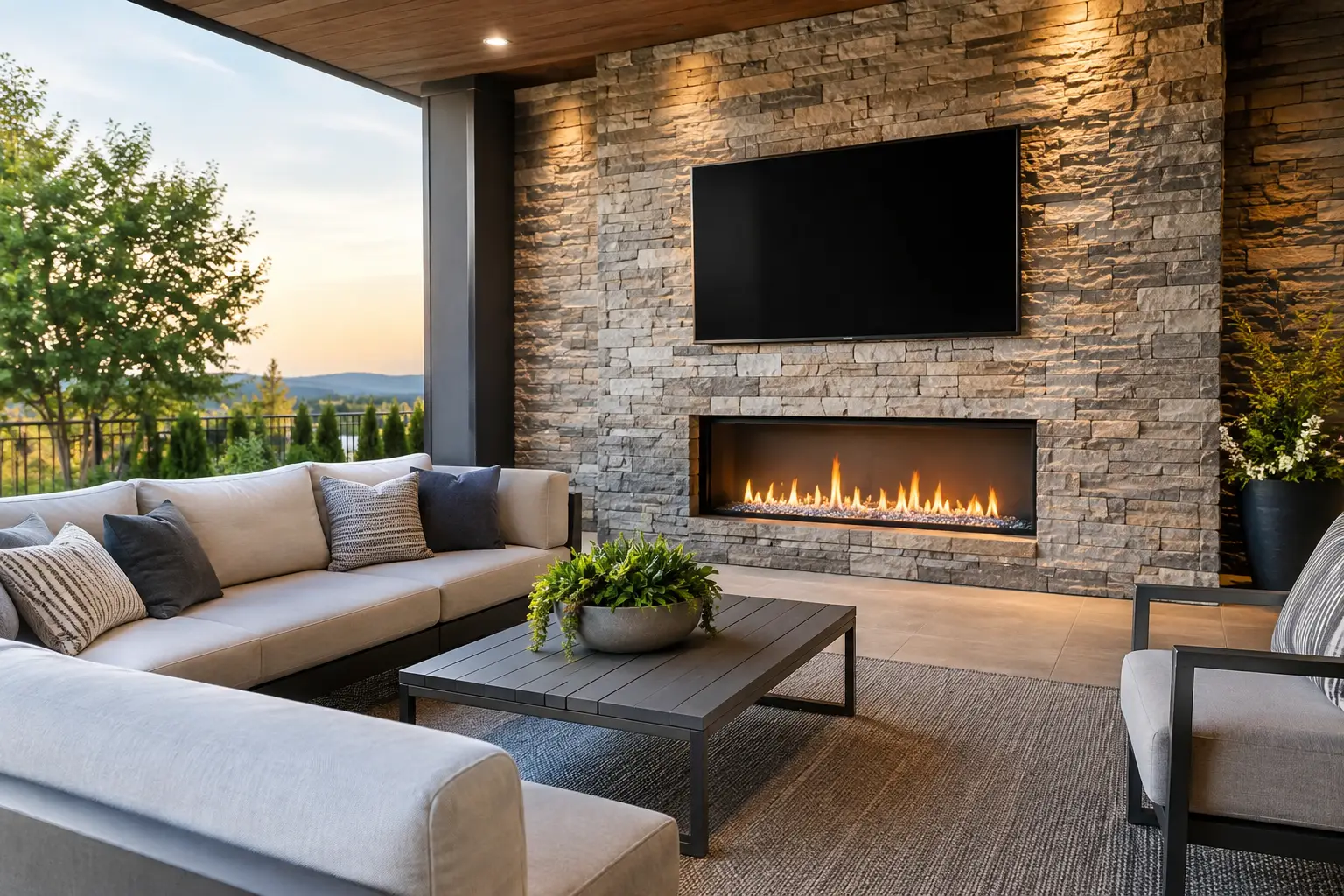
A well-designed outdoor entertaining space is rarely defined by the furniture alone. The wall behind the dining table, braai station, bar, or poolside lounge sets the atmosphere long before guests take a seat. The right outdoor entertainment area wall finishes can turn a practical patio into a considered extension of the home – warm, architectural, and ready for every season.
For homeowners and designers, the challenge is finding a finish that delivers natural character without demanding the maintenance traditionally associated with exterior timber. It also needs to suit the way the space is used: exposed to sun and rain, close to a pool, busy with children and guests, or open to the kitchen through large stacking doors. A beautiful surface should make outdoor living feel more intentional, not create another item on the maintenance list.
Why the Wall Matters in an Outdoor Entertaining Space
Outdoor areas often contain many hard, functional materials: paving, stone, glass, aluminum, concrete, and roofing. These finishes are durable, but without contrast they can leave a patio feeling stark or visually disconnected from the interior. A textured wall finish introduces depth and softness, creating a backdrop that gives the entire setting a sense of purpose.
This is particularly valuable in open-plan homes where the indoor living area flows directly onto a covered terrace. Repeating a wood-inspired tone outdoors can create a stronger visual conversation between the two zones. The result is not an attempt to make outdoors look like indoors. Rather, it is a more considered transition, where each space has its own performance requirements but shares a refined design language.
A feature wall can also solve practical layout issues. It defines an outdoor dining zone, gives a built-in braai or bar a more premium presence, conceals an unremarkable boundary wall, and provides a deliberate focal point where the architecture may otherwise feel plain. In hospitality settings, it can give a terrace, rooftop, restaurant courtyard, or hotel pool deck the visual identity guests remember.
Choosing Outdoor Entertainment Area Wall Finishes for the Conditions
The most successful choice begins with exposure, not color. A wall under a deep covered patio has very different demands from one beside an uncovered pool or facing prevailing rain. Before selecting a finish, consider direct sun, moisture, wind-driven dust, salt air in coastal areas, and how close the wall sits to cooking or water features.
Covered patios and outdoor rooms
Covered patios offer the widest design freedom. They are protected from the harshest weather while still benefiting from materials designed for exterior use. Wood-inspired composite wall panels are especially effective here because they bring the richness and rhythm of timber to a space without the ongoing staining, sealing, and sanding associated with natural wood.
Use a warm oak-inspired finish to soften dark charcoal paving, or choose a deeper walnut tone for a more intimate evening entertaining area. Vertical panel lines can make a lower patio ceiling feel taller, while horizontal installation can visually broaden a narrow courtyard wall. The direction should support the architecture rather than become a decorative afterthought.
Poolside and high-moisture zones
Near a pool, finishes need to remain composed around splashes, humidity, sunscreen residue, and frequent cleaning. This is where a low-maintenance composite solution has a clear advantage over materials that can fade, crack, or require regular refinishing.
A poolside wall should also be chosen with glare in mind. Highly polished tiles and bright paint can become visually harsh in intense sunlight. Matte, textured, wood-inspired panels offer a calmer surface that feels at home beside water, planting, and natural stone. Darker tones can look dramatic, but they may show dust and water marks more readily than balanced mid-tones. The right choice depends on the amount of exposure and the level of day-to-day upkeep the property owner wants.
Exposed boundary walls
A plain perimeter wall is often the largest uninterrupted surface in an outdoor area, and one of the easiest places to create impact. Yet it is also likely to face full weather exposure. Exterior composite panels can provide a more elevated alternative to repainting, provided the wall is structurally sound and the installation system is suited to the application.
For a large boundary wall, avoid treating every square meter identically. A focused panel section behind seating, a fire feature, or an outdoor bar can create a stronger result than covering the entire perimeter. It introduces contrast while allowing greenery, plaster, or masonry to remain part of the composition.
Materials That Balance Design and Maintenance
Paint remains a practical choice when budgets are tight or a wall needs a quick refresh. Modern exterior paint offers broad color flexibility, but it cannot bring the tactile depth of a dimensional surface, and it will eventually need attention in demanding conditions. Textured plaster can feel elegant and Mediterranean-inspired, though it may be less forgiving where the wall is exposed to stains, cracks, or persistent moisture.
Natural timber has undeniable beauty, especially in protected areas. Its trade-off is maintenance. Sun, moisture, and temperature changes can affect its appearance over time, so it needs a commitment to suitable coatings and regular care. For projects where the timber look is the goal but the practical reality is busy modern living, outdoor composite wood panels offer a compelling middle ground.
They are designed to deliver wood-inspired warmth with weather resistance and simpler upkeep. This makes them well suited to entertaining spaces that need to look polished on a Saturday afternoon without requiring a full restoration project before guests arrive. Quality trims, corner edges, and end slats matter just as much as the panels themselves. They complete the installation with clean lines and prevent a feature wall from feeling unfinished at its edges.
Stone cladding, porcelain, and brick can also perform beautifully outdoors. Their best use depends on the home’s architectural language. Stone brings weight and permanence, porcelain can offer a crisp contemporary finish, and brick adds character. However, these materials may be more labor-intensive to install and can feel visually heavy when used across too many surfaces. Pairing one of them with wood-inspired paneling often creates better balance.
Design the Wall Around How You Entertain
The strongest outdoor spaces are designed for real behavior, not only photographs. If the patio is centered around long lunches, create a calm backdrop behind the dining table rather than a highly patterned wall competing with the table setting. If it is a braai and bar area, a darker feature wall can add atmosphere and help visually anchor stainless steel appliances, cabinetry, and shelving.
For a lounge space, wall finishes should support comfort. Layer a wood-inspired surface with soft outdoor seating, planting, and warm lighting to prevent the area from feeling overly hard or exposed after sunset. Integrated wall lights, pendants under cover, or subtle uplighting can pick up the relief of panel lines and make the space more inviting at night.
Color coordination deserves careful attention. A wall finish does not need to match decking, cabinetry, and furniture exactly. In fact, exact matching can make a space feel flat. Instead, work within a related family of warm, cool, light, or dark tones. A honey-toned wall can sit beautifully with pale stone and black accents; a deep brown finish can bring warmth to gray porcelain and concrete. Sample boards should be viewed on site, in both bright daylight and evening light, before the final decision is made.
Installation Details Separate a Good Finish From a Great One
Exterior wall finishes are only as convincing as their installation. Walls should be assessed for moisture issues, unevenness, and soundness before cladding begins. Appropriate spacing, fixings, ventilation, and expansion considerations are essential for outdoor panel systems, particularly where temperatures fluctuate throughout the year.
Plan around corners, door frames, electrical points, and built-in elements from the start. A panel layout that terminates awkwardly at a light fitting or ends with an exposed cut can diminish the finished effect. Coordinated trims and edge solutions allow the wall to read as a tailored architectural surface rather than a material added at the last minute.
For larger residential and commercial projects, working with an experienced installer is often worthwhile. It can reduce waste, protect the product finish, and ensure details such as drainage and substrate preparation are handled correctly. Inspiration Wood’s exterior surface solutions are designed to support this kind of polished outcome, combining premium visual texture with practical components for a complete installation.
Let the Wall Set the Mood After Sunset
An outdoor entertaining area earns its place when it works beyond daytime. Choose a wall finish with enough depth to hold soft evening light, enough durability to handle everyday use, and enough warmth to make people want to stay for one more conversation. When the surface behind the gathering is thoughtfully chosen, the entire space feels less like a patio and more like a destination within the home.