

Blog
Outdoor Cladding Versus Paint for Lasting Style

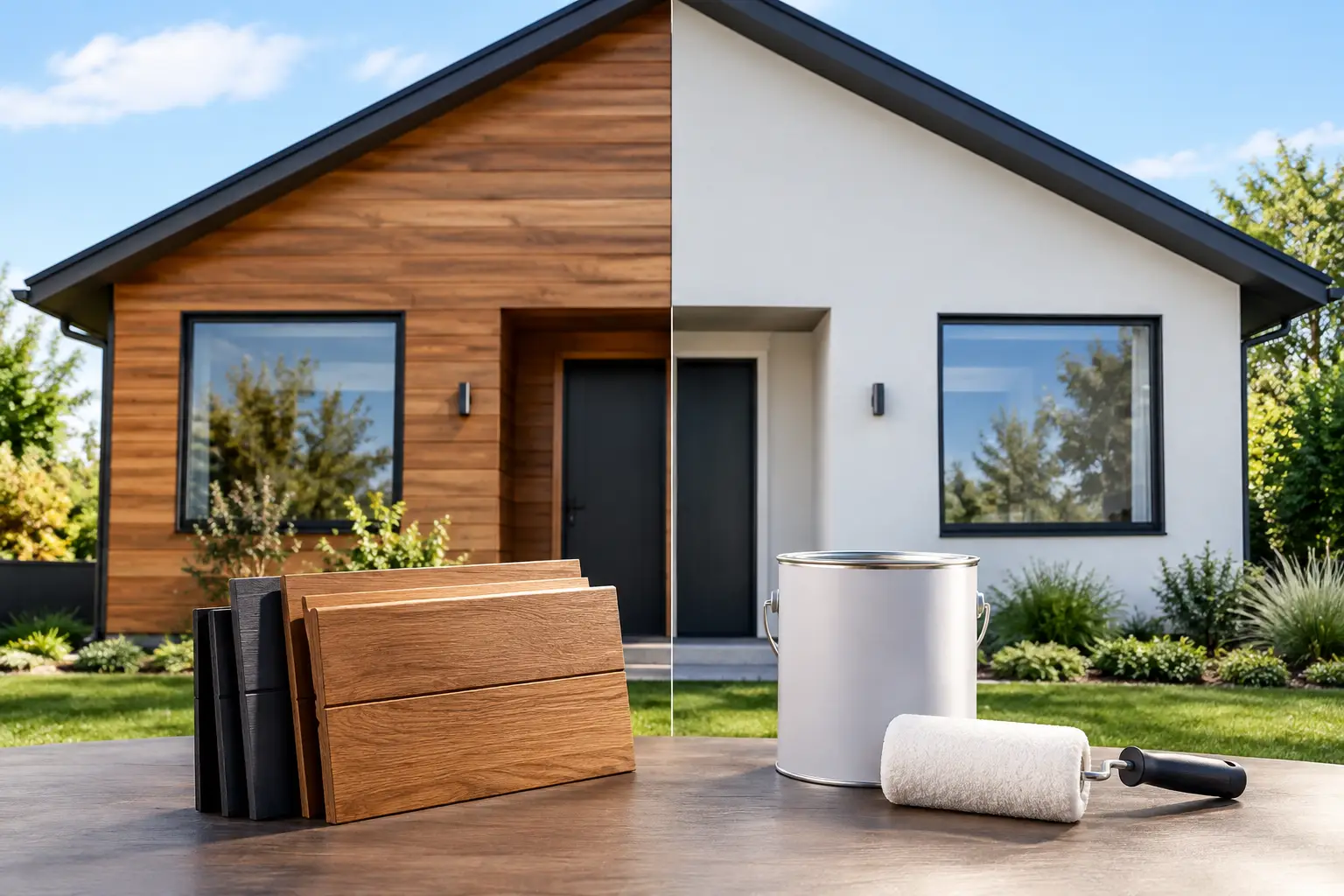
A freshly painted exterior can look beautiful on day one. But after seasons of direct sun, driving rain, dust, and everyday wear, the question becomes less about the initial color and more about how the finish continues to perform. When considering outdoor cladding versus paint, the best choice depends on the character you want to create, the maintenance you are prepared to take on, and the condition of the surface beneath it.
For design-led homes, hospitality settings, and commercial facades, exterior composite cladding offers something paint cannot easily replicate: architectural depth. It introduces a refined wood-inspired texture, strong linear detail, and a more considered relationship between the building and its surroundings. Paint remains a useful and cost-effective finish in the right setting, but it is not always the finish that delivers lasting visual impact.
Outdoor Cladding Versus Paint: The Real Difference
Paint is a surface coating. It changes the appearance of an exterior wall, usually quickly, while leaving the wall’s form exactly as it is. It can make a tired facade feel cleaner, brighter, or more contemporary, especially where the existing surface is smooth and sound.
Outdoor cladding is a finish system that sits over the structure. Composite wood panels create dimension, rhythm, and a tactile quality that paint alone cannot provide. Used on a feature wall, entrance, patio enclosure, boundary wall, or full facade, cladding can make an ordinary elevation feel intentional and distinctly premium.
That difference matters when the exterior needs to do more than look freshly maintained. A front entrance may need a memorable arrival moment. A restaurant terrace may need warmth without the maintenance demands of natural timber. A compact courtyard may need texture to feel more private and composed. In these settings, cladding becomes part of the architecture rather than simply a new layer of color.
Upfront Cost Is Only One Part of the Decision
Paint often has the lower initial cost, particularly when the substrate needs minimal preparation and the area is large. For a straightforward refresh before selling, renting, or completing a modest renovation, it can be the sensible option.
However, the initial quote does not tell the complete story. Exterior paint may require crack repair, cleaning, priming, multiple coats, and future repainting as it fades, peels, chalks, or marks. The exact cycle varies by product quality, wall preparation, exposure, and local conditions, but repainting should be expected as part of ownership.
Composite outdoor cladding is generally a greater upfront investment because it is a material finish with trims, fixings, and installation requirements. Yet its value becomes clearer over time. A quality composite panel is designed to retain its appearance with far less routine intervention than a painted wall. For homeowners and commercial property owners who prefer a durable, polished finish over recurring maintenance projects, that can make the investment more compelling.
The most useful question is not simply, “Which is cheaper?” Ask instead: “What will this exterior cost to keep looking exceptional over the next several years?”
Weather Resistance and Everyday Maintenance
Sun exposure is often paint’s toughest opponent. Intense ultraviolet light can gradually dull even a well-chosen shade, while rain and temperature shifts can expose weaknesses in preparation or application. Painted surfaces can also show stains, mildew, scuffs, and hairline cracks more readily, especially in busy outdoor living areas.
Composite cladding is designed for exterior conditions and offers a practical alternative to conventional painted finishes or traditional timber. Its wood-inspired surface brings warmth to an exterior while avoiding the regular sanding, sealing, staining, and refinishing associated with natural wood. Routine care is typically limited to gentle cleaning with water and a soft brush or cloth, following the manufacturer’s guidance.
This does not mean cladding is maintenance-free or suitable for every wall without planning. It still needs correct installation, proper ventilation where required, appropriate spacing, and a sound supporting structure. Dirt can collect in textured surfaces, and any exterior finish can be affected by extreme weather, poor drainage, or physical impact. But for many applications, the maintenance burden is substantially lighter than a painted wall that needs to be monitored and refreshed.
Design Freedom: Flat Color or Architectural Texture?
Paint offers almost unlimited color choice. That flexibility is valuable when matching existing windows, rooflines, brand colors, or neighborhood requirements. It is also ideal when the goal is to keep an exterior quiet and minimal, allowing landscaping, stonework, or architectural form to lead.
Cladding has a different strength. Its appeal lies in the interplay of tone, grain, shadow, and line. A warm timber-inspired panel can soften modern masonry. A deep charcoal finish can add drama to a contemporary facade. Vertical panels can make a low structure feel taller, while horizontal installation can visually widen a narrow wall.
The result is particularly effective when used with restraint. Rather than wrapping every exterior wall, consider cladding the area guests see first: an entry surround, a covered patio wall, a poolside feature, a balcony return, or the frontage of a retail or hospitality venue. Pair it with painted masonry for contrast. This approach can deliver a high-end result while keeping the project focused and proportionate.
For commercial spaces, the distinction is even more significant. A painted facade may meet a functional need, but cladding can help a business create a recognizable atmosphere before a customer steps inside. It signals care, permanence, and a more elevated experience.
When Paint Is the Better Choice
Paint should not be treated as the inferior option. It is often the right finish when the exterior needs a quick color transformation, the budget is tightly controlled, or the surface has architectural detailing that would be difficult to clad cleanly. It can also be a practical choice for broad, less visible walls where texture would not add much design value.
Paint works well when you enjoy changing colors periodically or are working with a building whose character relies on clean rendered surfaces. A heritage-style exterior, for example, may call for a carefully selected paint system rather than a contemporary panel finish.
The key is to choose a high-quality exterior product and give preparation the attention it deserves. No paint finish can compensate for moisture issues, unstable render, inadequate cleaning, or poorly repaired cracks.
When Outdoor Cladding Makes More Sense
Choose outdoor cladding when the goal is to create a feature with visual depth and lasting presence. It is especially suited to exposed entertaining areas, entrance walls, contemporary renovations, mixed-material facades, and commercial environments where the exterior is part of the customer experience.
It is also a strong option for property owners who appreciate the look of wood but do not want the ongoing commitment of natural timber. Premium composite panels can bring that organic, design-forward character to the exterior while supporting a more practical maintenance routine.
At Inspiration Wood, outdoor composite wood panels are paired with purpose-made trims, corner edges, and finishing details so the result looks resolved, not improvised. These details are where a premium exterior installation earns its impact. Clean edges, consistent spacing, and thoughtful transitions around openings create the composed finish that makes a surface feel architectural.
Installation Can Shape the Final Result
Painting may appear simpler, but achieving a smooth, durable finish requires thorough substrate preparation and suitable weather conditions. Rushing the process can lead to uneven coverage, adhesion issues, and an earlier repainting cycle.
Cladding requires more planning upfront. Measurements must be accurate, the framework must be level, and trims need to be selected before installation begins. For larger elevations, complex detailing, or commercial work, an experienced installer is a worthwhile investment. The payoff is a finish with crisp lines and reliable performance.
Before selecting either option, inspect the wall itself. Address moisture ingress, drainage problems, damaged render, and structural movement first. Cladding and paint are finishes, not remedies for an underlying building issue.
Choose the Finish That Supports Your Vision
The choice between paint and cladding is ultimately a choice between a refreshed surface and a more dimensional exterior statement. Paint can be smart, versatile, and economical. Cladding can be more expressive, durable, and visually transformative.
If your exterior needs only a clean new color, paint may be all it needs. If you want the entrance, patio, facade, or outdoor entertaining area to feel more considered every time you arrive, a wood-inspired cladding feature can bring that vision into focus. Choose the material that will still feel right after the first fresh finish has become part of everyday life.