

Blog
Wood Effect Panels vs Timber for Modern Spaces

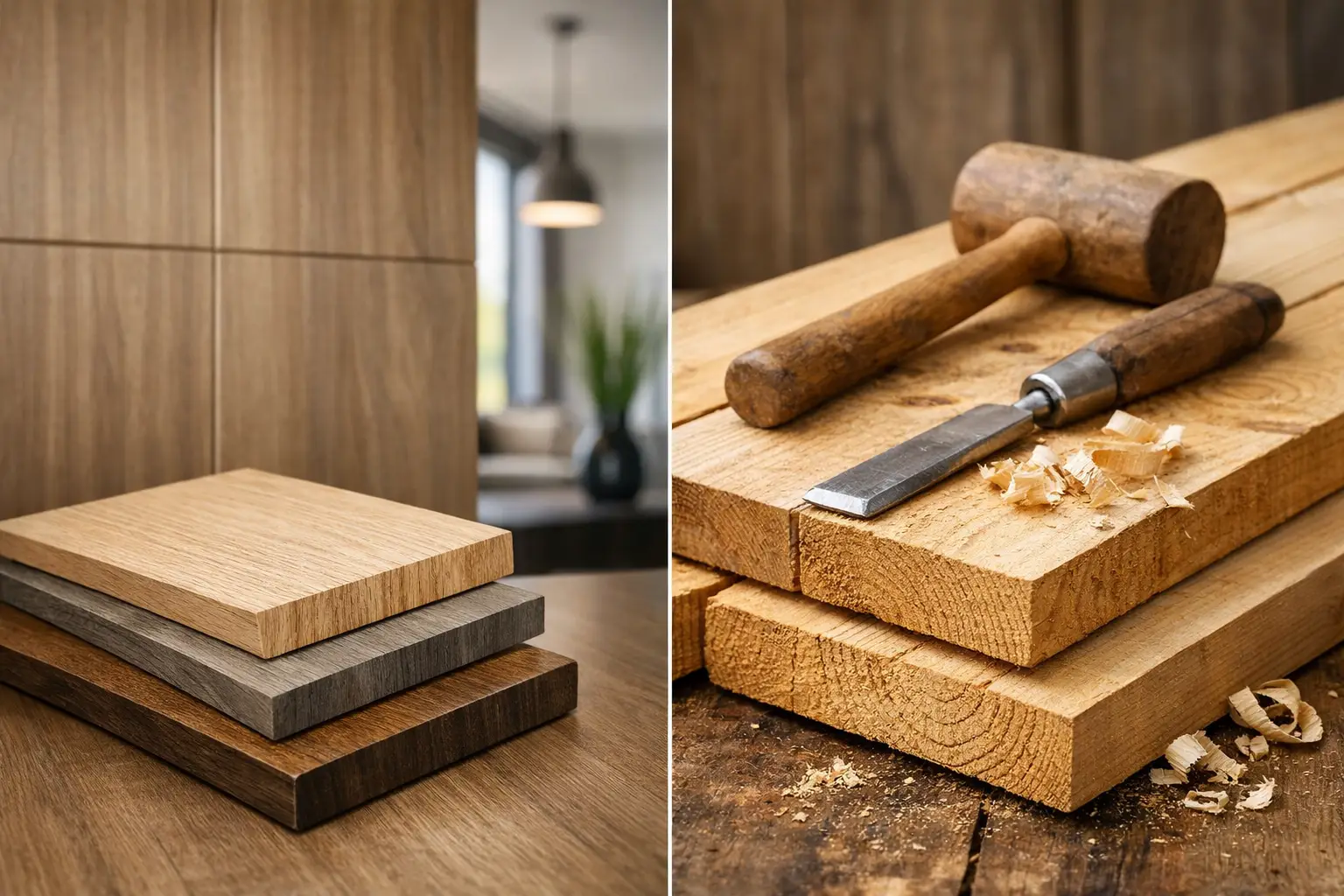
A timber finish can change the entire mood of a room. It brings warmth to a minimalist living area, polish to a hospitality reception, and texture to an office that needs to feel more considered. But when comparing wood effect panels vs timber, the choice is not simply about whether one looks more natural. It is about the performance you need from the surface long after installation day.
For some projects, real timber is exactly right. Its grain, scent, and ability to age over time create an authenticity that cannot be replicated entirely. For others, premium wood effect panels offer the more intelligent route to a refined finish: consistent color, faster installation, lower maintenance, and practical benefits such as acoustic comfort or weather resistance.
The strongest choice depends on the setting, the desired look, and how much ongoing care the space can realistically accommodate.
Wood Effect Panels vs Timber: The Design Difference
At first glance, timber and wood effect panels can both deliver the architectural warmth designers and homeowners want. The difference appears in the level of control each material offers.
Natural timber is individual by nature. Knots, grain movement, tonal variation, and small imperfections are part of its appeal. In a custom home, wine room, boutique hotel, or heritage-inspired interior, those variations may be central to the design story. Timber has depth and character that develops with time, especially when it is carefully selected, sealed, and maintained.
Wood effect panels are designed for a more curated result. Their finishes create a cohesive visual rhythm across a feature wall, ceiling, reception desk, or outdoor entertaining area. This consistency is particularly valuable in larger projects, where a designer needs the finish to remain balanced from one section to the next. A well-made panel can provide the visual softness of wood while supporting a cleaner, more contemporary expression.
When consistency matters more than variation
If the goal is a calm, tailored interior, wood effect panels often make planning easier. You can specify a finish with greater confidence, align panels accurately, and create crisp transitions using trims, corner edges, and end details. That precision suits modern residential interiors as well as commercial spaces where every visible line contributes to the customer experience.
Timber can also be highly polished, but it requires more careful selection and finishing to achieve a uniform appearance. Even boards from the same species may differ noticeably in shade and grain. That is beautiful when variation is welcome, but it can complicate a tightly controlled palette.
Performance Is Where the Materials Separate
Appearance starts the conversation, but daily use decides whether a surface remains a good investment. Traditional timber is a natural material, which means it responds to moisture, heat, sunlight, and changes in humidity. Depending on the species and installation location, it may expand, contract, fade, warp, split, or require refinishing over time.
Wood effect panels are engineered to answer specific performance needs. Interior acoustic slat panels, for example, combine a timber-inspired slat surface with an acoustic backing. They can add dimension to a wall or ceiling while helping to reduce reflected sound. In open-plan homes, meeting rooms, restaurants, and reception areas, that can make speech clearer and the room more comfortable to spend time in.
Outdoor composite wood panels serve a different purpose. They are built for exposure and offer a wood-inspired finish without the regular staining, sealing, and treatment often associated with exterior timber. For covered patios, garden walls, facades, and entertainment spaces, this can mean more time enjoying the design and less time maintaining it.
Acoustic panels are not simply decorative cladding
Not every wood effect panel is an acoustic panel, and not every acoustic concern can be solved by adding slats to one wall. Room size, hard surfaces, ceiling height, and furniture all influence sound. Still, acoustic slat panels can make a meaningful difference where echoes and harsh sound reflections are a problem.
Timber slats can also contribute visual texture, but they do not automatically provide the same acoustic result. The backing material, spacing, and overall panel construction matter. If improved sound comfort is one of the project goals, choose a solution specifically designed to support that function rather than relying on appearance alone.
Installation, Timing, and Site Disruption
Timber installation can be a craft-led process. Boards may need to be acclimated to the space, cut individually, sanded, stained, sealed, and finished on site. The outcome can be exceptional, but the work takes time and often creates more dust, odor, and coordination with other trades.
Wood effect panels are generally made for a more direct installation process. Pre-finished panels reduce the number of site stages, while compatible trims and accessories help create a resolved result at corners, ends, and joins. This can be a major advantage during a renovation, retail fit-out, or hospitality refresh where downtime needs to be managed carefully.
That does not mean panels are a shortcut that can be installed without thought. A clean substrate, accurate measuring, suitable fixings, and attention to alignment still matter. Exterior applications also need the correct preparation and allowance for the conditions of the site. The benefit is that the finish is designed as a coordinated system rather than requiring a sequence of specialist finishing steps.
Maintenance Should Match the Way You Live
Real timber rewards care. Interior timber may need periodic cleaning and re-oiling or resealing depending on the finish. Exterior timber typically requires more frequent attention because sun, rain, and temperature shifts gradually affect its color and protective coating. Neglect can turn a beautiful surface into a maintenance project.
For homeowners who enjoy the patina of natural materials and are prepared to care for them, this can be part of the pleasure. Timber does not have to look newly installed forever. Its changing appearance can bring character and depth.
For busy family homes, rental properties, commercial interiors, and outdoor spaces with constant exposure, a lower-maintenance option is often more practical. Wood effect panels are intended to retain their finished appearance with straightforward regular cleaning rather than ongoing sanding, staining, or sealing. The right choice is not about avoiding timber at all costs. It is about being honest about how the space will be used and maintained.
Cost Is More Than the Purchase Price
A material comparison should account for the complete project, not just the price per board or panel. Timber costs can vary substantially by species, grade, availability, finish, and labor requirement. A premium hardwood installation may involve skilled fabrication, finishing products, longer site time, and future maintenance.
Wood effect panels often provide greater cost certainty because the finish is supplied ready to install and accessories are designed to work with the system. They may also reduce labor time, which matters when the project has a firm deadline or several areas to complete. In larger commercial applications, consistent panel sizing and a predictable installation approach can simplify planning.
However, lower cost should not be the only measure of value. If a space calls for the sensory qualities of solid timber, a manufactured alternative may not deliver the same emotional response. On the other hand, paying for real timber in a high-moisture, high-traffic, or exposed location can create unnecessary future expense.
Which Material Suits Your Space?
Choose timber when natural variation, tactile authenticity, and a finish that will evolve over time are essential to the brief. It is especially compelling in projects where craftsmanship is visible and ongoing care is expected.
Choose wood effect panels when you want a polished wood-inspired surface with greater consistency and purpose-built functionality. Acoustic slat panels are well suited to spaces that need texture and improved sound comfort. Outdoor composite panels are a practical choice where weather resistance and low maintenance are priorities. Both can create a premium result when they are selected for the right application rather than treated as interchangeable materials.
At Inspiration Wood, the focus is on making that decision feel more achievable: bringing natural-looking texture into the spaces people use every day, while respecting the realities of installation, maintenance, and performance. The most successful finish is the one that continues to look considered after the furniture is in place, the room is busy, and life has fully moved in.
Your walls, ceilings, and exterior surfaces should do more than fill a blank area. Choose the material that supports the atmosphere you want to create and the way you want the space to work.