

Blog
Acoustic Ceiling Panels That Elevate a Room

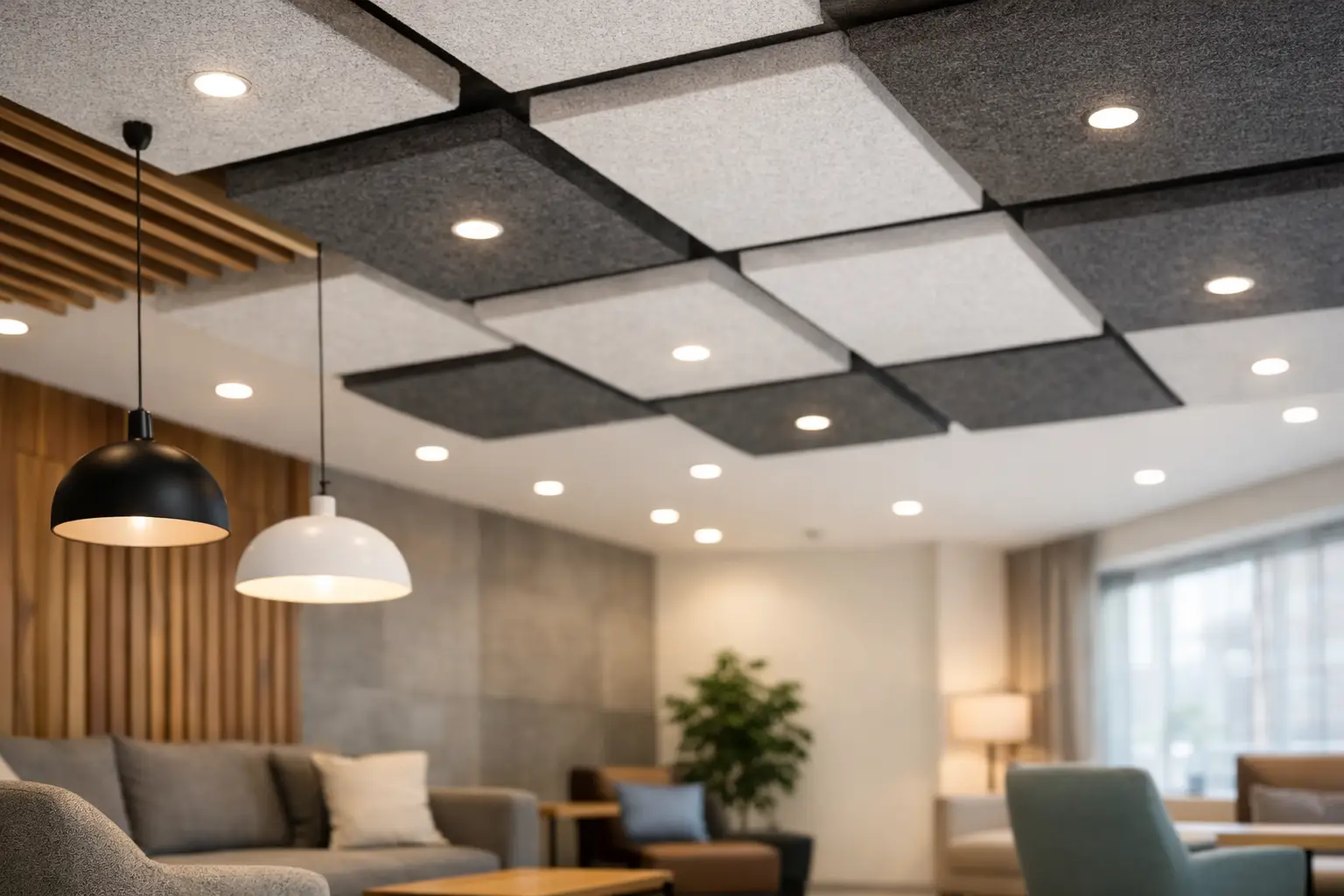
A beautiful room can still feel wrong when sound is working against it. The finishes may be refined, the furniture carefully chosen, and the lighting perfectly layered, yet the space still echoes, conversations blur, and the atmosphere feels harder than it looks. Acoustic ceiling panels solve that problem at its source, bringing visual polish and acoustic control into the same design move.
For homeowners, designers, and commercial specifiers, that matters more than ever. Open-plan living, hard flooring, glass, concrete, and minimalist interiors all create a cleaner visual language, but they also tend to reflect sound rather than soften it. The result is a room that photographs well and performs poorly. Ceiling treatments are often the missing layer.
Why acoustic ceiling panels matter
When people think about acoustics, they often focus on walls first. That makes sense, but ceilings carry a surprising amount of the acoustic burden in modern interiors. In larger rooms especially, sound travels upward, reflects across hard surfaces, and returns as echo or reverberation. That is what makes restaurants feel noisy, boardrooms feel fatiguing, and living spaces feel less restful than they should.
Acoustic ceiling panels help absorb part of that reflected sound energy. In practical terms, that can mean clearer speech, less background harshness, and a room that feels calmer almost immediately. In a home office, that improves concentration and video call quality. In a dining area, it allows conversation to feel more intimate. In hospitality and workplace settings, it can influence comfort, dwell time, and how professionally a space is perceived.
There is also a design advantage that should not be overlooked. Ceiling surfaces are often underused. Once treated as purely functional, they now offer a real opportunity to add warmth, rhythm, and architectural character. When acoustic performance is combined with a wood-look or slatted finish, the ceiling stops being a blank overhead plane and starts contributing to the entire mood of the room.
What makes a good acoustic ceiling panel
Not all panels perform or present themselves in the same way. Some are engineered almost entirely for sound control and can look overtly technical. Others prioritize appearance but offer only modest acoustic benefit. The best options strike a balance, especially in spaces where visual standards are high.
Material composition plays a major role. Many premium acoustic slat systems combine a decorative surface with an acoustic backing, often felt-based, to reduce reflected sound while maintaining a sophisticated look. This format is especially appealing for residential and commercial interiors that want more than a utilitarian ceiling grid.
The panel profile matters too. Slatted designs can create depth and repetition that visually elongate a room, while also helping diffuse and absorb sound in a more nuanced way than a flat hard ceiling. Finish quality is equally important. If the wood tone, texture, or join detail looks cheap, the whole space can lose its edge. A premium acoustic panel should feel intentional from every angle, not like an afterthought added to fix an echo problem.
Installation is another factor. Some ceiling systems are labor-intensive, which may suit highly custom projects but not every timeline or budget. Others are designed to install more efficiently, making them attractive for renovators, contractors, and specifiers who want a strong result without unnecessary complexity.
Where acoustic ceiling panels work best
The short answer is almost anywhere sound and aesthetics both matter. The more useful answer depends on how the room is used.
In living rooms and open-plan homes, ceiling panels can soften the sharpness created by tiled floors, stone surfaces, and expansive glazing. These spaces often need acoustic help without sacrificing visual warmth. A wood-inspired acoustic ceiling introduces texture overhead, making the room feel more complete while improving comfort.
Bedrooms benefit in a different way. The goal is usually less about speech clarity and more about atmosphere. A quieter, softer-feeling room supports rest, and a ceiling treatment can add a cocooning effect that plain drywall rarely delivers.
In offices, meeting rooms, and reception areas, the performance case becomes even stronger. Speech intelligibility affects productivity. Excessive reverberation creates fatigue. Clients and staff may not identify the ceiling as the reason a room feels better, but they notice the effect. The right panel choice can make a workplace feel more focused, more premium, and more considered.
Hospitality spaces are another natural fit. Restaurants, hotel lounges, and boutique venues need environments that feel lively without tipping into noise. Acoustic ceiling panels help shape that balance. They also allow designers to create a memorable ceiling plane, which is increasingly important in venues that rely on ambiance as part of the brand experience.
Acoustic ceiling panels and design style
One of the strongest reasons these panels have become so desirable is that they no longer need to look strictly acoustic. That shift matters for architects and homeowners who want a cleaner, more elevated finish.
Wood-look acoustic slat panels are especially effective because they bridge two priorities at once. They bring in natural visual warmth while supporting better sound behavior. In modern interiors, that combination is hard to beat. The linear pattern adds structure, the wood tone softens contemporary materials, and the acoustic backing works quietly in the background.
That does not mean every room should have a dramatic feature ceiling. Sometimes the smartest choice is restraint. A smaller ceiling section above a dining table, media wall zone, or meeting area can be enough to improve the feel of the space. In other projects, a full-ceiling treatment creates a more immersive architectural statement.
Color and finish selection also deserve attention. Lighter wood tones can keep a room airy and Scandinavian-inspired, while deeper tones create intimacy and sophistication. Black-backed panels tend to emphasize the slatted rhythm and can feel more graphic and contemporary. The right choice depends on ceiling height, daylight, adjoining materials, and how bold the design intent really is.
Choosing the right panel for performance
Acoustic performance is not a one-size-fits-all conversation. A compact home office does not need the same solution as a restaurant or a conference room. That is why it helps to think in terms of outcomes rather than simply asking for the most sound absorption possible.
If the main issue is echo and speech clarity, a slatted acoustic system may be ideal. If the room has extreme noise demands, a more technical acoustic specification may be required. There is always a balance between acoustic rating, appearance, ceiling coverage, and budget.
It is also worth considering the room as a whole. Ceiling panels work best when they are part of a broader material strategy. Upholstery, rugs, curtains, and wall treatments all influence how sound behaves. In a very hard room, ceiling panels can make a dramatic difference, but they may not do everything alone. That is not a weakness of the product. It is simply how acoustics work.
For many projects, the smartest route is to improve the biggest reflective surface first. In contemporary interiors, that surface is often the ceiling.
What to expect from installation and upkeep
A premium product should not create unnecessary maintenance demands. That is part of the appeal of modern decorative acoustic systems, particularly those designed to offer the richness of timber-inspired finishes without the ongoing upkeep associated with traditional wood applications.
Installation methods vary, but many panel systems are designed to be relatively straightforward for experienced installers. That can reduce project disruption and make them suitable for both new builds and renovations. Ceiling preparation still matters, of course, and layout planning is essential if lighting, HVAC, or other services need to integrate neatly.
As for upkeep, most interior acoustic slat-style panels require simple routine cleaning rather than constant treatment. For clients who want a high-end finish that remains practical over time, that low-maintenance advantage is significant.
This is one of the reasons brands like Inspiration Wood have found such a strong place in design-led projects. The appeal is not only that the panels look refined. It is that they offer a premium finish with real functional value and a level of practicality that suits modern living.
The real value of acoustic ceiling panels
The best interiors do more than look composed. They support the way people live, work, gather, and feel in a space. Acoustic ceiling panels answer a problem that is often heard before it is seen, then turn that solution into part of the design language.
That is why they have moved beyond specialist commercial use and into homes, hospitality settings, and style-conscious workplaces. They do not ask you to choose between performance and beauty. They prove that a ceiling can work harder, sound better, and still feel effortlessly refined.
If a room already looks finished but still does not feel right, the answer may be overhead.