

Blog
Why Modern Wood Ceiling Panels Work

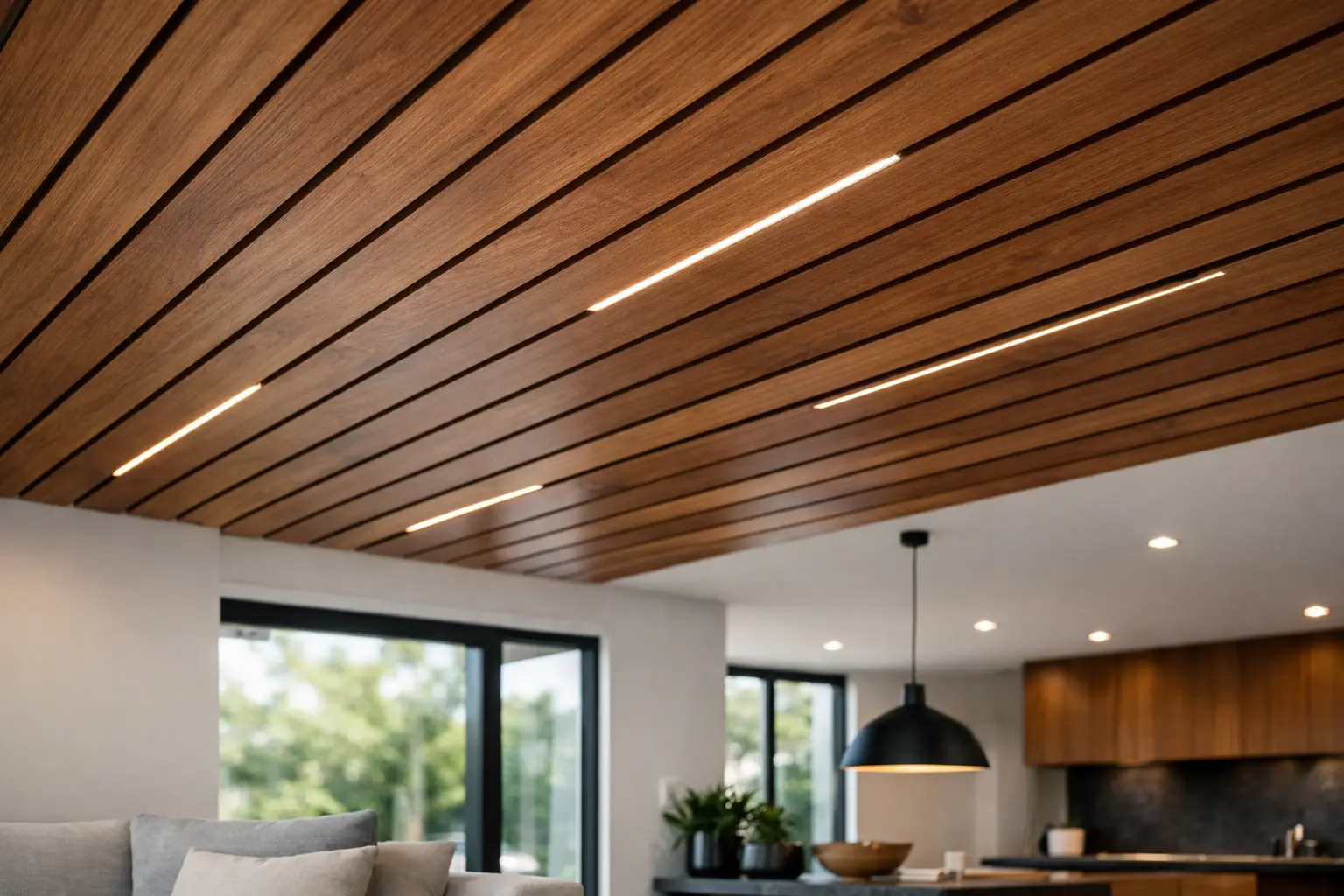
A ceiling can either disappear into the background or quietly set the tone for the entire room. That is why modern wood ceiling panels have become such a defining feature in contemporary interiors – they bring warmth overhead, sharpen the architecture, and add a sense of finish that paint alone rarely achieves.
For homeowners, they create a richer, more considered living environment. For designers, architects, and commercial teams, they solve more than one problem at once. A well-specified ceiling treatment can improve acoustics, introduce texture, hide minor inconsistencies, and give a space a clear design direction without adding visual clutter. That balance of beauty and function is exactly what makes wood-inspired ceiling systems so relevant right now.
What makes modern wood ceiling panels feel current
The appeal is not just about wood tones. It is about restraint. Modern interiors tend to favor cleaner lines, quieter palettes, and materials that feel natural without looking rustic. Ceiling panels fit this shift because they add depth in a controlled way.
Instead of ornate ceiling details or overly decorative treatments, these panels create rhythm through spacing, shadow lines, and linear form. The result is architectural rather than ornamental. In a living room, that can mean a calmer, more luxurious atmosphere. In a boardroom or hospitality setting, it can mean a more polished impression that still feels inviting.
The most successful applications are rarely loud. A soft oak tone paired with matte finishes and simple lighting can transform a plain ceiling into a feature that feels expensive and intentional. Darker finishes can create drama, but they need the right ceiling height and lighting plan. Lighter tones tend to feel more versatile, especially when the goal is to open up a space visually.
Modern wood ceiling panels and the way a room feels
People often notice the visual effect first, but the sensory impact goes further. Ceilings influence how a room sounds, how spacious it feels, and even how comfortable it is to spend time there.
In open-plan homes, hard surfaces can make everyday living noisier than expected. Kitchens, dining areas, and TV spaces all compete acoustically. Ceiling panels with acoustic performance help soften echo and improve clarity, which makes the room feel calmer without changing the layout.
That matters just as much in commercial spaces. Offices benefit from better speech clarity and reduced background noise. Restaurants and hotel interiors feel more refined when conversation is easier and the room is less harsh. A ceiling treatment that looks premium and contributes to comfort has real value because it improves the experience of being in the space, not just the appearance of it.
Where they work best
One reason this category has grown so quickly is its range. Modern wood ceiling panels are not limited to one design style or one type of property. They work especially well in spaces where the ceiling has enough visibility to become part of the overall composition.
In residential interiors, they suit entrance halls, living rooms, bedrooms, kitchens, and covered outdoor areas. A ceiling panel installation over an island or dining zone can subtly define the area without using walls or bulkheads. In bedrooms, it introduces softness and visual warmth in a way that still feels minimal.
Commercially, they are especially effective in reception areas, meeting rooms, restaurants, boutique retail, and hospitality settings. These are places where brand perception matters. A finished ceiling signals quality. It tells visitors that the environment has been designed with care.
There is also a practical side. In renovations, ceiling panels can help refresh tired surfaces and create a more contemporary finish without the disruption of rebuilding the entire ceiling plane. That can be useful in both homes and fit-out projects where speed and visual impact need to work together.
The design decisions that matter most
A beautiful result usually comes down to a few key choices rather than one dramatic gesture. Tone, spacing, scale, and lighting all shape how the ceiling reads.
Color and finish
Wood-inspired finishes should complement the broader material palette, not compete with it. Pale oak and natural mid-tones are often the easiest choice because they work with stone, black accents, soft neutrals, and brushed metals. They feel contemporary without being cold.
Richer walnut-style tones can be striking, especially in hospitality or high-end residential settings, but they tend to create a stronger mood. That can be excellent in a lounge, bar, or cinema room, though less forgiving in smaller or darker interiors.
Panel direction and room proportion
Linear panels naturally pull the eye. Installed lengthways, they can make a narrow room feel longer. Run across the width, they can visually broaden the space. This is one of the most useful design advantages because the ceiling treatment does more than decorate – it helps shape perception.
In lower-ceilinged rooms, slimmer profiles and lighter finishes usually feel more balanced. In larger volumes, deeper tones and more dramatic contrast can be handled with confidence.
Lighting integration
Lighting should be considered early, not added as an afterthought. Recessed downlights, indirect strip lighting, and pendant placements all affect the final look. Wood slat ceilings interact beautifully with warm lighting because the grain and shadow lines become more pronounced.
If the goal is a refined, hotel-inspired atmosphere, integrated lighting can turn a simple ceiling into a feature with real depth. If the goal is brighter task-oriented performance, the layout needs to support that without over-puncturing the design.
Why wood-inspired systems often make more sense than traditional timber
There is still a strong emotional pull toward real timber, and in some projects it is the right choice. But there are clear reasons many homeowners and professionals prefer modern panel systems instead.
Traditional timber can be beautiful, though it usually comes with greater variation, more maintenance, and a more involved installation process. Depending on the environment, it may also need ongoing sealing or more careful climate management. For many clients, that level of upkeep does not suit modern living or fast-paced commercial use.
Wood-inspired panel systems offer a more controlled finish. They are designed for consistency, simpler installation, and practical performance. In acoustic formats, they add another layer of value by helping manage sound. That combination is difficult to ignore when a project needs to look premium and remain easy to live with.
This is where brands such as Inspiration Wood speak directly to the market. The demand is no longer just for decorative surfaces. It is for premium solutions that deliver design impact with less complication.
Installation, maintenance, and the real-world trade-offs
The best ceiling material is not always the most dramatic one. It is the one that performs well over time in the actual conditions of the project.
Installation speed matters, especially in renovations, retail fit-outs, and hospitality upgrades. Panelized systems are often preferred because they create a cleaner process and a more predictable finish. That can reduce downtime and simplify planning for contractors and design teams.
Maintenance is another practical advantage. Most clients want the warmth of wood without adding a long-term maintenance routine. Ceiling finishes are harder to access than walls, so easy-care surfaces have obvious appeal.
That said, there are trade-offs. A bold slatted ceiling may not suit every room. In very small spaces, too much linear texture can feel busy. In low-lit interiors, dark tones overhead can become heavy unless balanced carefully. Acoustic performance also depends on the exact product build-up and installation method, so assumptions should never replace specification.
The strongest projects get this balance right. They treat the ceiling as part of the architecture, not as an add-on.
How to know if modern wood ceiling panels are right for your project
If a room feels flat, echoing, or visually unfinished, the ceiling is often an untapped opportunity. Panels make the most sense when you want warmth without visual clutter, definition without building major partitions, and a finish that feels upscale without becoming precious.
They are especially compelling when a project needs to do more than look good. In homes, that might mean a quieter open-plan living area or a bedroom with more softness and depth. In workplaces, it might mean better acoustics and a stronger first impression. In hospitality, it can be the detail that turns a pleasant interior into a memorable one.
The smartest approach is to think beyond trend language and ask a simpler question: what should this room feel like? If the answer includes calm, warmth, refinement, and better performance, modern wood ceiling panels are often one of the clearest ways to get there.
A beautifully finished ceiling changes the way people experience a room, often before they can explain why. When the material, tone, and performance are chosen well, the effect feels effortless – and that is usually the mark of a space done properly.