

Blog
How to Choose Acoustic Panels That Fit

A beautiful room can still feel wrong when it sounds harsh. The echo in an open-plan living area, the sharp bounce of voices in a boardroom, or the constant noise build-up in a restaurant can make even the most carefully designed space feel unfinished. If you are deciding how to choose acoustic panels, the right answer starts with understanding that sound control is not separate from design – it is part of the experience of the room.
How to choose acoustic panels for the way a room is used
The first question is not which panel looks best. It is how the space needs to feel and function once people are in it. A family TV room, a quiet home office, a hotel reception, and a meeting room all ask for different acoustic results.
In a home setting, most people are trying to reduce echo and create a calmer atmosphere. That usually means improving speech clarity, softening the sharpness of hard surfaces, and making the room feel more comfortable rather than completely silent. In a commercial environment, the brief is often more specific. You may need clearer conversations in a conference room, a more refined atmosphere in hospitality spaces, or better sound balance in open offices where noise affects focus.
This matters because acoustic panels absorb sound reflections, but they do not solve every kind of noise problem. If outside traffic, neighboring rooms, or structural noise are the main issue, panels alone will not fully address it. They are most effective when the problem is echo, reverberation, and general sound harshness within the room itself.
Start with the surfaces already in the room
Rooms with tile, concrete, glass, stone, and large painted walls tend to reflect sound. The more hard, flat surfaces you have, the more likely the room is to sound lively in a way that becomes tiring over time. By contrast, rooms with rugs, curtains, upholstered furniture, and soft finishes usually need less acoustic correction.
This is where many buying decisions go wrong. People choose panels based only on wall size, when the better approach is to assess how reflective the room already is. A compact room with polished surfaces may need more acoustic treatment than a larger room filled with softer materials.
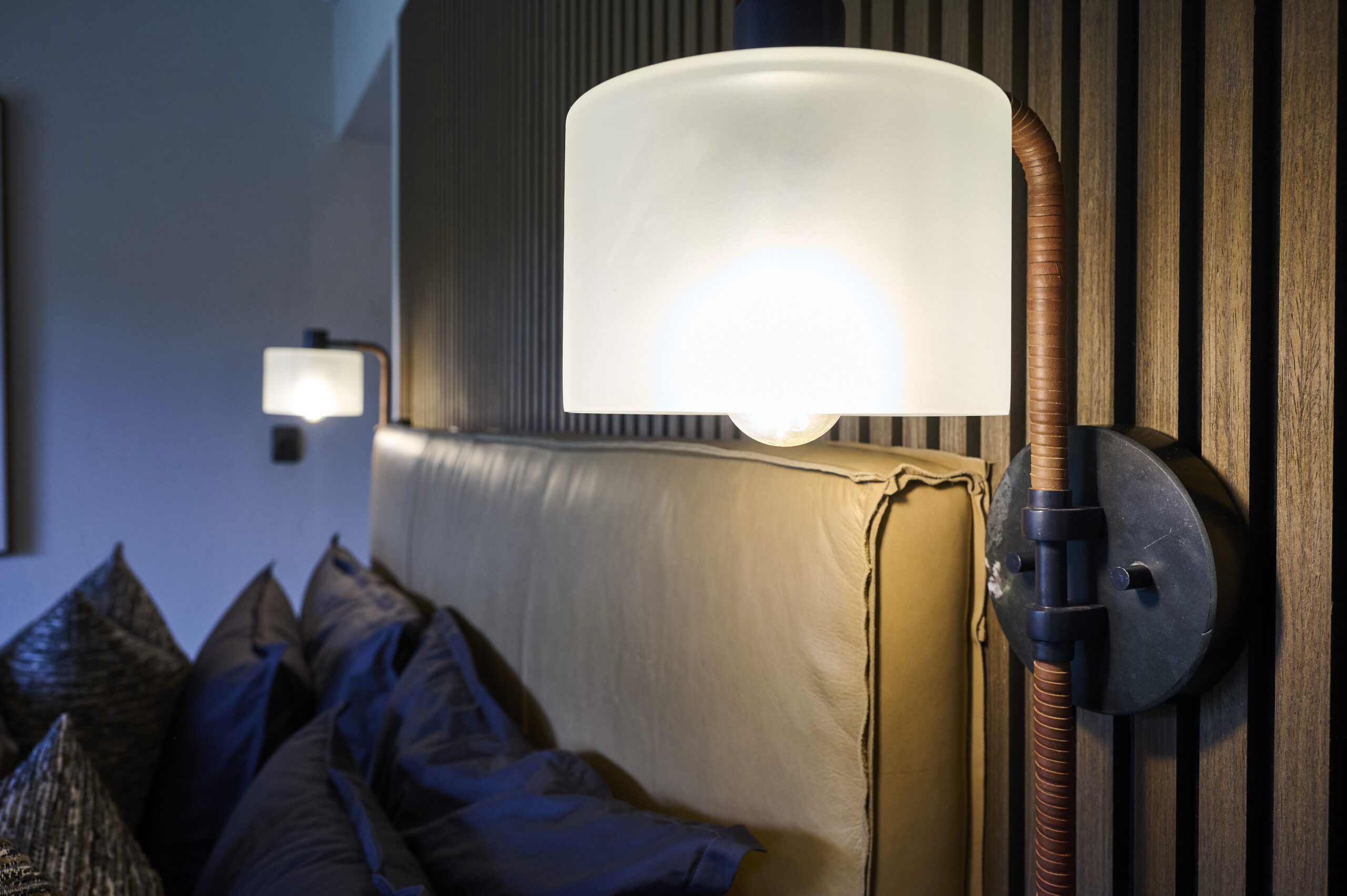
Acoustic slat wood panels are often chosen because they improve sound while also elevating the visual character of a space. That combination is especially valuable when the wall treatment needs to contribute to the design story, not just hide a problem. In modern interiors, panels are often doing double duty – creating warmth, texture, and architectural rhythm while also improving comfort.
The right panel is a balance of performance and appearance
Acoustic performance matters, but so does what the panel brings to the room visually. In design-led residential and commercial projects, the panel cannot feel like an afterthought. It needs to work with the palette, the lighting, the joinery, and the overall mood of the space.
Wood-look acoustic slat panels are a popular choice because they add natural texture without the upkeep associated with traditional timber finishes. They suit contemporary homes, premium offices, hospitality interiors, reception areas, and retail spaces where a cleaner, more refined finish is part of the brief. The visual lines of the slats can also make a room feel more structured and intentional, which is one reason they are often used as feature walls and ceiling details rather than hidden acoustic fixes.
Still, aesthetics should not override performance. If your main concern is speech clarity, placement and coverage will matter just as much as finish. If the goal is to soften a room while maintaining a luxury look, then decorative acoustic panels become a practical design solution rather than a compromise.
How much coverage do you actually need?
One of the most common questions around how to choose acoustic panels is how many to install. There is no universal number because the answer depends on room size, ceiling height, furnishing levels, and how severe the echo problem is.
A small amount of paneling can make a noticeable difference in a modest room, especially when placed on key reflective surfaces. In larger or more reverberant spaces, partial coverage may improve the sound slightly but leave the room still feeling active. That is why feature installations work best when they are planned with acoustic intent, not just visual symmetry.
If a room sounds mildly echoey, a single wall application may be enough. If it sounds sharp, hollow, or disruptive in daily use, broader coverage across one or more walls – and sometimes the ceiling – is often the better route. It depends on whether you are aiming for subtle improvement or a more substantial acoustic shift.
Placement is more important than many buyers expect
You do not always need to cover every surface, but you do need to choose the right surfaces. Acoustic panels are most effective where sound reflects strongly. In practical terms, that often means the wall people face while talking, the wall opposite a major sound source, or the ceiling in rooms where voices bounce upward and back down.
In a dining room or restaurant, panels near the main seating zone can help reduce the build-up of conversation noise. In an office meeting room, treating the wall and ceiling areas that catch the strongest voice reflections can improve clarity significantly. In a media room, placing panels close to the primary listening and reflection zones often creates a more controlled sound experience.
This is where a design-conscious product has an advantage. Because premium acoustic panels are visually appealing, they can be positioned where they work best without compromising the look of the room. They become part of the architecture rather than an obvious technical add-on.
Consider installation, maintenance, and long-term practicality
The best panel for a project is not only the one that looks good in a showroom. It is the one that suits the realities of the site. Some buyers want a clean, efficient installation for a renovation timeline. Others need a solution that can be specified across multiple spaces with consistent results and minimal maintenance.
That is why material choice matters. A premium panel should offer a refined finish, reliable durability, and easy day-to-day care. In high-traffic homes, hospitality spaces, and workplaces, low-maintenance surfaces are not a luxury. They are part of what makes a design choice sustainable over time.
This is also why many designers and homeowners prefer engineered decorative solutions over traditional timber wall treatments. You still achieve the warmth and richness of wood-inspired surfaces, but with a more predictable installation process and less ongoing upkeep.
Match the panel to the style of the space
Acoustic treatment should feel integrated, not imposed. A darker wood tone can create drama and depth in a moody office, media room, or hospitality setting. Lighter finishes tend to open up residential interiors and work well in Scandinavian, contemporary, and relaxed luxury schemes. The spacing and linear rhythm of slatted panels can also influence how formal or relaxed a space feels.
Think about the room from every angle. The panel will interact with daylight, artificial lighting, flooring, furniture, and adjacent finishes. In some projects, it acts as the statement feature. In others, it needs to sit quietly within a broader material palette. Either approach can work beautifully when chosen with intention.
For trade professionals, consistency is often just as important as style. Reliable stock, finish quality, and a specialized range make specification easier, especially when multiple rooms or larger commercial applications are involved.
How to choose acoustic panels without overbuying or underbuying
It is tempting to either do too little and hope for a big difference or over-panel a room out of caution. The better approach is to be honest about the problem you are solving. If the room simply feels a bit bright and echoey, targeted decorative acoustic treatment may be enough. If everyday conversation feels strained, privacy is reduced, or the space regularly feels noisy and fatiguing, a more deliberate acoustic plan is worth it.
This is where expert guidance makes a difference. A premium brand such as Inspiration Wood is not only offering surface finishes. It is offering a more complete way to shape how a room looks, feels, and performs.
The strongest acoustic choices rarely come from chasing a technical spec in isolation. They come from seeing the room as a whole – its purpose, its materials, its visual identity, and the experience you want people to have once they step inside.
A well-chosen acoustic panel does not just reduce echo. It brings calm, polish, and presence to the spaces where people live, work, meet, and gather. Choose with both the ear and the eye, and the result will feel considered from the moment the room begins to speak.